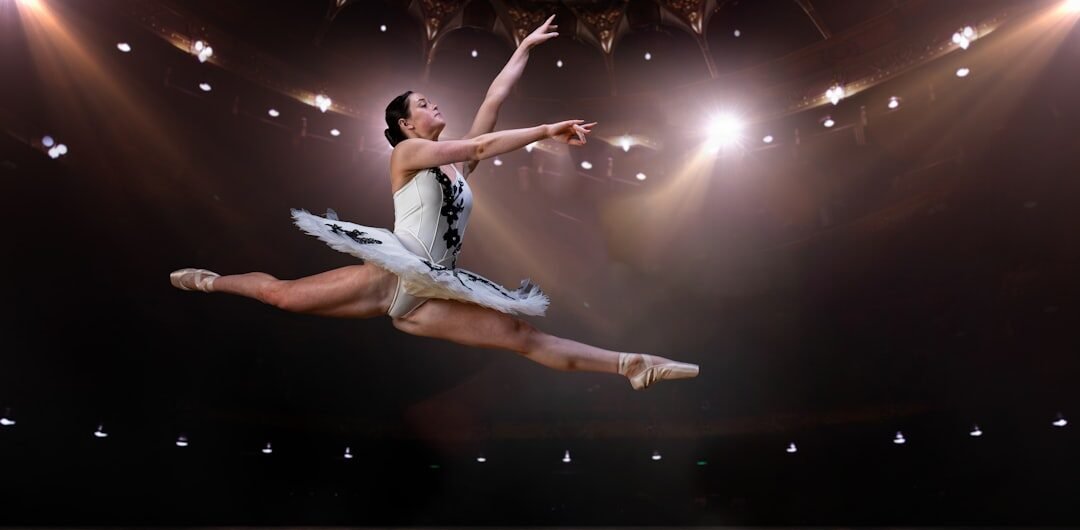
Advanced ballet students and pre-professional dancers need pointe shoes that provide professional-grade support, durability through intensive training schedules, and precise fit across multiple shank strengths — the same shoes used by company dancers and professional performers worldwide.
Safety note: Professional-grade hard shank pointe shoes require well-developed foot and ankle strength. Confirm with your teacher that hard shank construction is appropriate for your current training level before purchasing.
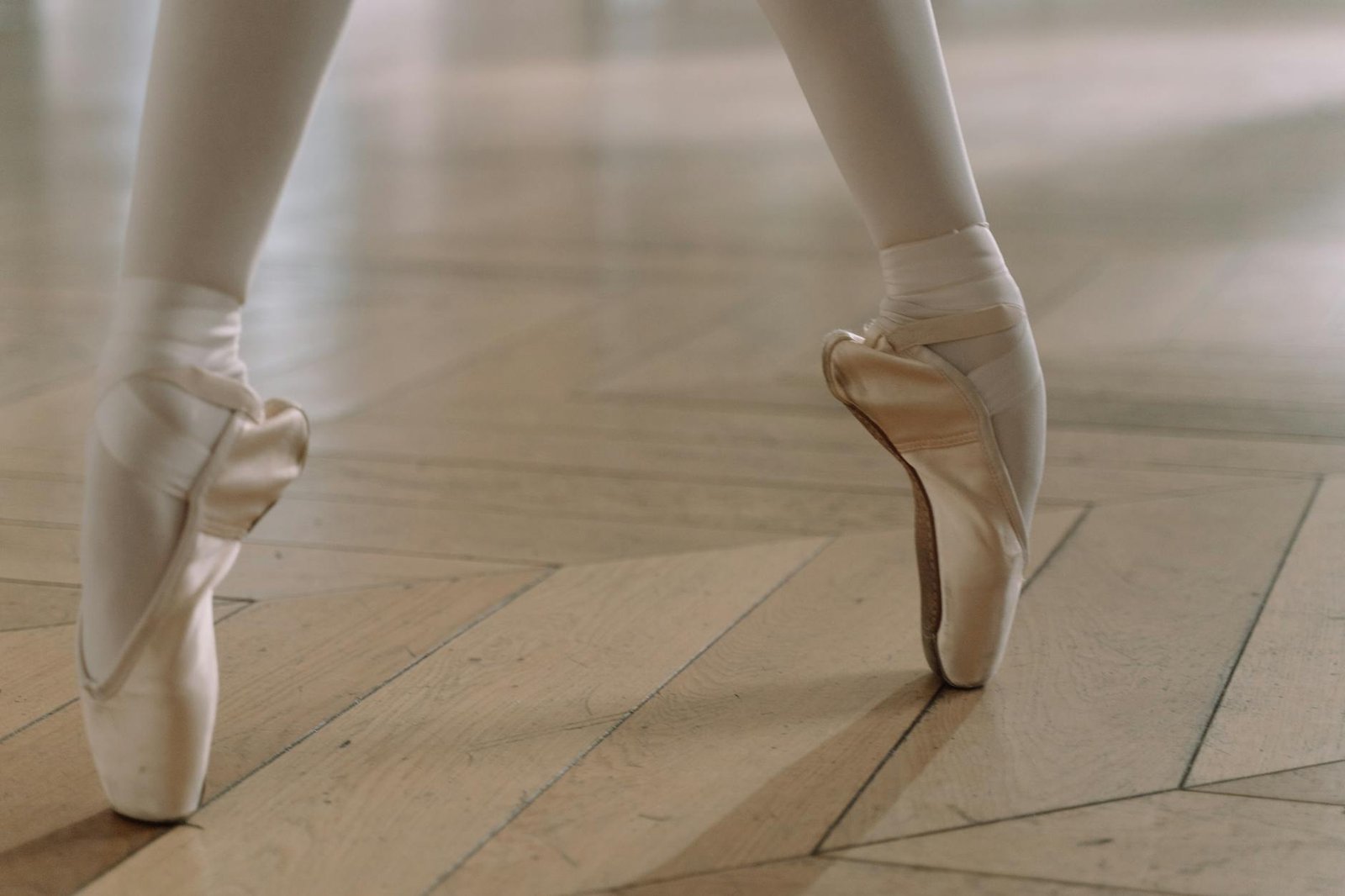
Our top premium pick is the Grishko 2007 — Russia’s professional standard, used at the Bolshoi and Mariinsky, with 4 shank strengths, anatomical design, and Russian paste construction. Below you’ll find the full comparison and professional selection guide.
Here’s a quick look at our top premium pointe shoe picks before we dive into the full reviews.
| Product | Best For | Rating | Buy |
|---|---|---|---|
 Grishko 2007 Professional Pointe Shoes Top Pick Grishko 2007 Professional Pointe Shoes Top Pick |
Advanced students, pre-professional dancers & professional performers | 4.4/5 | View on Amazon → |
 Bloch Heritage Ballet Pointe Shoes Bloch Heritage Ballet Pointe Shoes |
Intermediate students with tapered or Egyptian foot shape | 4.4/5 | View on Amazon → |
 Capezio Contempora Pointe Shoes Capezio Contempora Pointe Shoes |
Intermediate students with tapered foot shape seeking American brand quality | 4.5/5 | View on Amazon → |
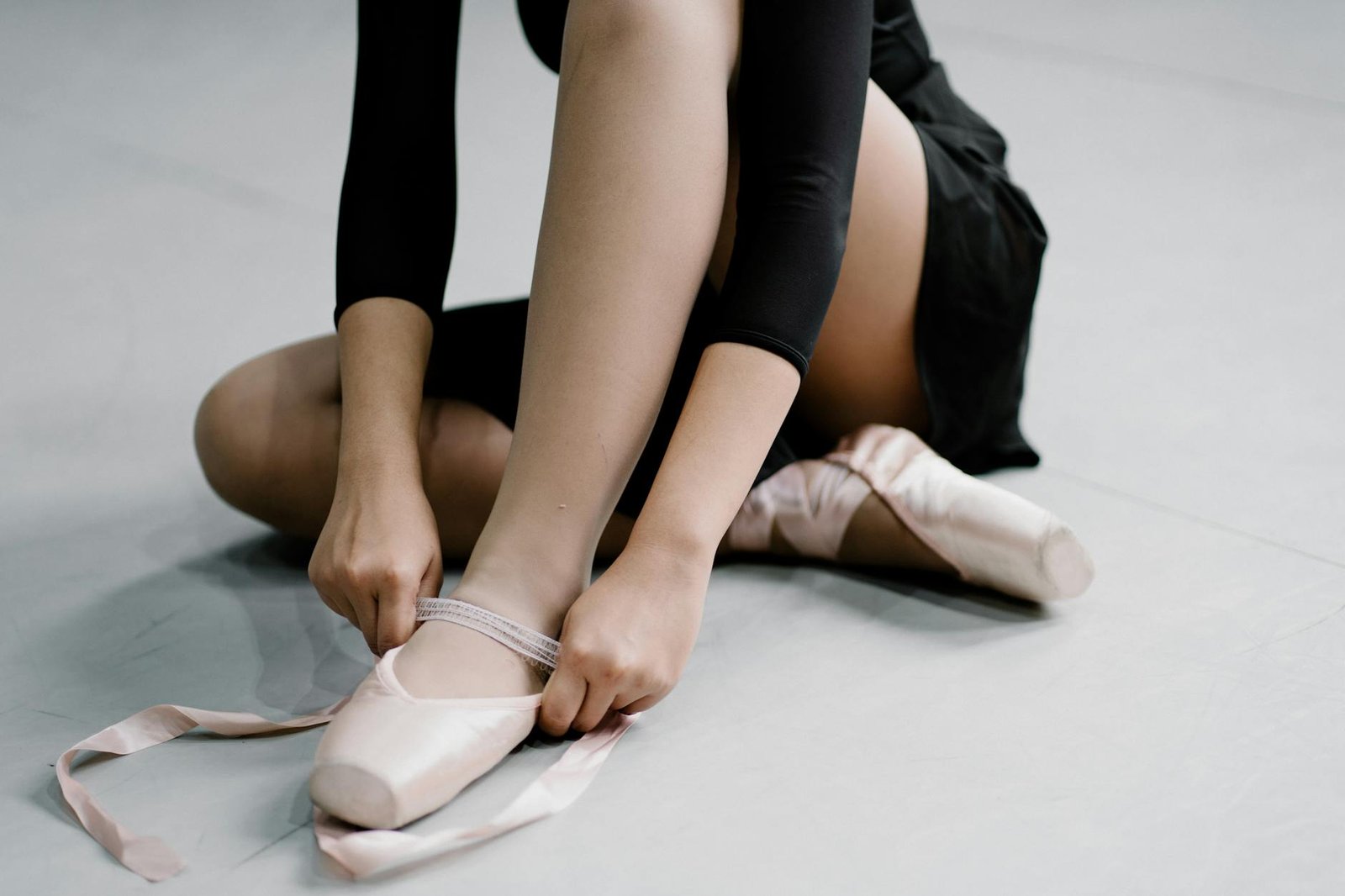 Bloch Serenade Pointe Shoes Bloch Serenade Pointe Shoes |
Beginning pointe students with square or Roman foot shape | 4.3/5 | View on Amazon → |
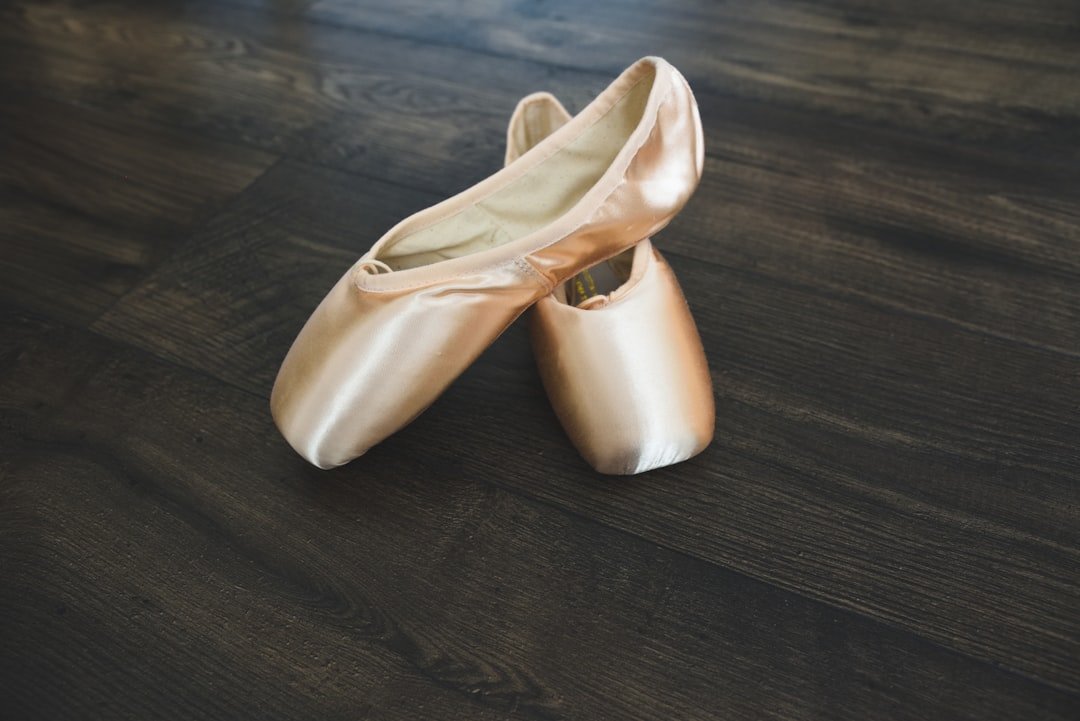 Capezio Glisse Pointe Shoes Capezio Glisse Pointe Shoes |
Intermediate students with Roman or Greek foot shapes seeking a Capezio entry option | 3.8/5 | View on Amazon → |
Best Premium: Grishko 2007 Professional Pointe Shoes
Rating: 4.4/5 | Best For: Advanced students, pre-professional dancers & professional performers
The Grishko 2007 Pointe Shoes represent Russia’s most celebrated professional pointe shoe — the model used by dancers at the Bolshoi, Mariinsky, and leading ballet companies worldwide, now available through Amazon for ballet students who want access to professional-grade construction without specialty import ordering. The Grishko 2007’s defining professional features are its Russian paste construction and the 3/4-length Russian-style shank: the paste creates a specific resistance and breakdown pattern that professional dancers rely on for consistent performance support through a shoe’s working life, and the 3/4 shank design — which ends before the toe box — allows greater freedom of articulation in the toe box while maintaining shank support at the critical metatarsal arch area. The anatomical form is specifically designed to reduce pressure on the big-toe joint — a common source of pain for dancers who perform in pointe shoes for extended rehearsal and performance schedules. The Grishko 2007 is available in four shank strengths (Soft, Medium, Hard, and Super-Hard), accommodating the full range from advanced students to professional performers within a single shoe model. Grishko’s sizing runs 2–2.5 shoe sizes smaller than street shoe sizing — this is a critical factor for ordering online and must be confirmed before purchase. Available in multiple widths (X to XXXXX) fitting approximately 90% of foot types. This shoe is appropriate for advanced and pre-professional students only; beginning pointe students should start with a more supportive intermediate-level shoe.
Key Specs
| Shank | 3/4-length Russian-style; Soft, Medium, Hard, or Super-Hard options |
| Construction | Russian paste — consistent breakdown pattern, professional-grade durability |
| Toe box | Medium platform, tapered — anatomical form reduces big-toe joint pressure |
| Used by | Bolshoi and Mariinsky dancers — the standard professional Russian pointe shoe |
| Sizing | Runs 2–2.5 sizes SMALLER than street shoe — must verify before ordering |
Pros & Cons
- Russia’s most renowned professional pointe shoe — used by leading company dancers worldwide
- 4 shank strengths in the same model accommodate advanced student through professional level
- Anatomical form reduces big-toe joint pressure for extended rehearsal and performance use
- 5 widths (X to XXXXX) fit approximately 90% of foot types
- Runs 2–2.5 sizes smaller than street shoe — critical to measure carefully before ordering online
- Not appropriate for beginning or intermediate pointe students — advanced/professional level only
The best premium pointe shoe — Grishko’s 2007 is Russia’s professional standard, with 3/4 Russian shank in four strengths, Russian paste construction, and anatomical design that reduces big-toe pressure for advanced students and professional performers.
Best Overall: Bloch Heritage Ballet Pointe Shoes
Rating: 4.4/5 | Best For: Intermediate students with tapered or Egyptian foot shape
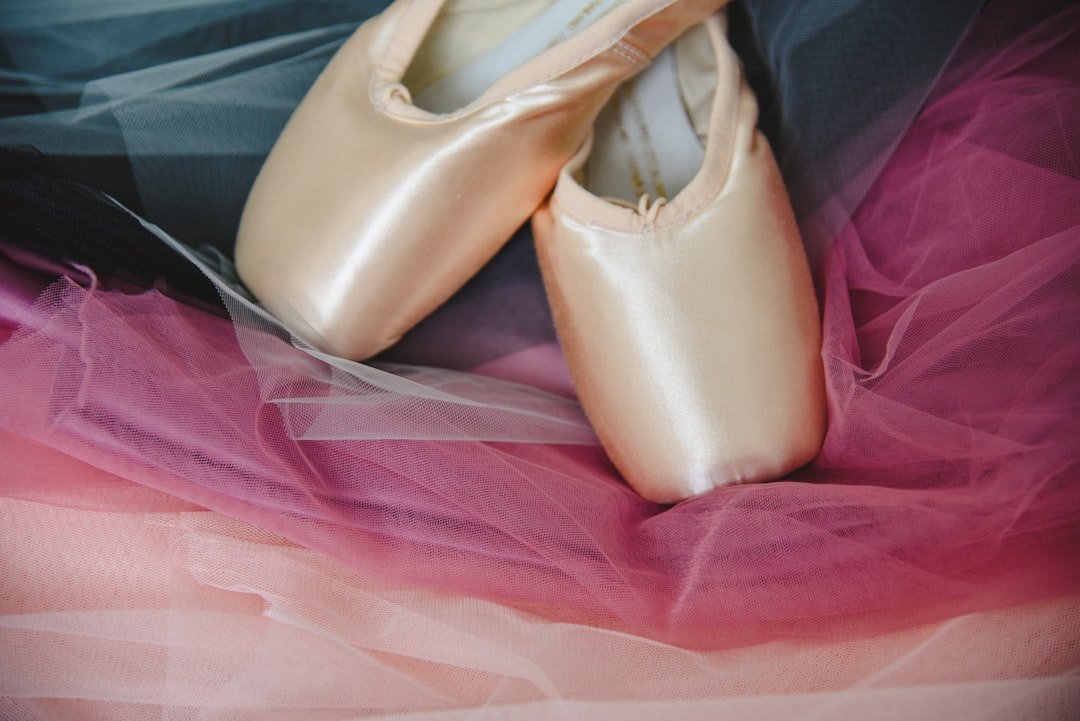
The Bloch Heritage Pointe Shoes earn the best overall pick for pointe shoes available on Amazon by combining a versatile design that works across a wide range of foot types with Bloch’s professional dancewear reputation, backed by one of the strongest Amazon review records among pointe shoe listings. The defining technical feature is the short vamp — one of the shortest on the market — which prevents heel slippage during relevé and full pointe and enhances the foot’s ability to articulate fully through demi-pointe into full pointe without the fabric catching or restricting at the heel. The V-shaped throat with cotton drawstring allows the dancer to customize the fit across the instep. The full shank (available in Regular and Strong versions) supports the foot in full pointe position during class and performance use. The removable inner toe cushion allows dancers to customize their toe comfort, wearing it with or without additional padding as preferred. The Heritage fits best for dancers with Egyptian or tapered foot shape (longer first toe, toes tapering progressively shorter) — the tapered toe box accommodates this foot shape without excessive space at the sides that would allow the foot to shift during pointe work. Available in adult sizes 2–9 across widths 0–4X (narrow to extra-wide), providing a genuine fit option for most adult ballet students. Note: pointe shoes require professional fitting — consult your teacher and consider visiting a local dance shop for initial fitting before ordering online.
Key Specs
| Shank | Full-length, Regular or Strong — medium to firm support for intermediate students |
| Vamp | Short — one of shortest on the market; prevents heel slippage during full pointe |
| Toe box | Tapered (Egyptian-friendly) — V-shaped cotton drawstring throat |
| Material | Satin upper, leather shank, cotton lining, removable inner toe cushion |
| Sizes | Adult 2–9, Widths 0–4X (narrow to extra-wide) |
Pros & Cons
- Short vamp prevents heel slippage and enhances roll-through from flat to full pointe
- Full shank available in Regular and Strong — accommodates intermediate student range
- Removable toe cushion allows customizable padding preference
- Bloch professional dancewear brand — used and trusted by ballet students worldwide
- Tapered box not suited for dancers with square (Roman/Greek) foot shapes
- Multiple width options require careful measurement — consult your teacher before ordering
The best overall pointe shoe for dancers with tapered foot shapes — Bloch’s Heritage provides a short vamp, full shank in Regular or Strong, and professional quality trusted by intermediate ballet students worldwide.
Best Rated: Capezio Contempora Pointe Shoes
Rating: 4.5/5 | Best For: Intermediate students with tapered foot shape seeking American brand quality
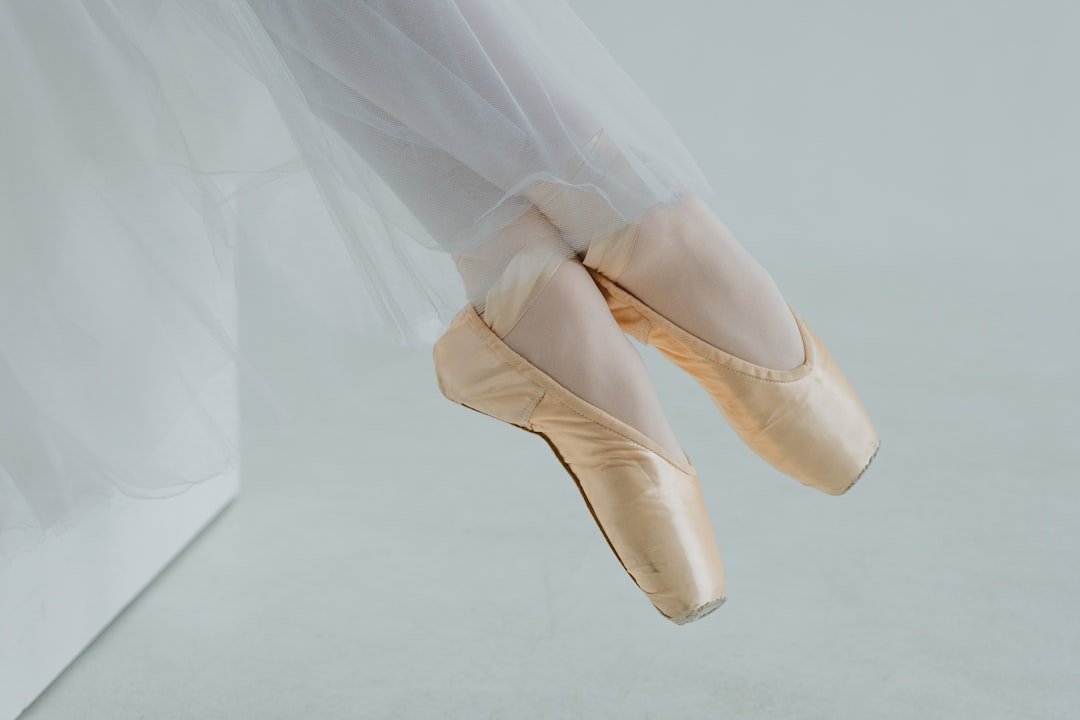
The Capezio Contempora Pointe Shoes hold the best-rated position among Capezio’s Amazon pointe shoe offerings — one of Capezio’s longest-running models with consistent positive feedback across multiple size variants, a strong indicator of reliable fit and performance quality maintained over years of continued production. Capezio is an American dancewear institution founded in New York in 1887 — their pointe shoes are constructed domestically and have been trusted by ballet students and professionals for generations. The Contempora’s #2 medium shank provides appropriate support for intermediate students who have developed sufficient foot and ankle strength for pointe work but are not yet ready for the harder shanks of advanced-level shoes. The feathered toe box — slightly tapered with a graduated construction — accommodates Egyptian and tapered foot shapes while creating the clean, aesthetic line that ballet training requires. The stitched pleating construction is specifically engineered to absorb sound during footwork, which is audibly noticeable in a studio with wood floors — clean, quiet footwork is one of the markers of correctly fitted pointe shoes. The soft cotton interior lining wicks moisture during class use, and the So Suede insole option retards mildew and odor — practical hygiene features for shoes worn in intensive training environments. Available in women’s sizes 3–10 across widths C (Narrow) through EE (Extra-Wide).
Key Specs
| Shank | #2 medium shank — appropriate for intermediate ballet students |
| Toe box | Slightly tapered, feathered — suits Egyptian/tapered foot shapes |
| Lining | Soft cotton interior — moisture-wicking; So Suede insole retards mildew and odor |
| Construction | Stitched pleating — absorbs sound for quiet, clean footwork on wood floors |
| Brand | Capezio — American ballet institution founded 1887, domestically constructed |
Pros & Cons
- Capezio’s longest-running model — consistent positive reviews across sizes confirm reliable quality
- Stitched pleating absorbs footwork sound — clean, quiet landing quality in studio
- Moisture-wicking cotton lining and So Suede insole for hygienic intensive use
- American-made by an 1887-founded brand with generational ballet school trust
- #2 medium shank not suitable for absolute beginners who need softer starting shank
- Per-width ASINs mean careful size/width selection is required at purchase
The best rated Capezio pointe shoe — the Contempora’s medium shank, moisture-wicking lining, and sound-absorbing construction make it the most consistently rated American-made intermediate pointe shoe in this review.
Best for Beginners: Bloch Serenade Pointe Shoes
Rating: 4.3/5 | Best For: Beginning pointe students with square or Roman foot shape
The Bloch Serenade Pointe Shoes are the most recommended beginner pointe shoe from Bloch — designed with the specific stability requirements of students just beginning pointe work, particularly those with square or Roman foot shapes (shorter, more evenly-length toes) that struggle to fit correctly in the tapered boxes of intermediate-level shoes. The wider, flatter platform of the Serenade provides superior lateral stability — the most critical safety feature for beginners who are still developing the ankle strength and alignment control required for pointe work. A narrower platform creates more instability in the early stages of pointe training; the Serenade’s wider platform gives beginning students a more forgiving base to develop their balance before progressing to narrower professional options. The shank runs under the metatarsal in a way that actively supports the foot in pointe position, reducing the risk of sickling (rolling the ankle inward or outward) that is common among beginners who haven’t yet developed the full muscular control for correct alignment. The Standard shank option keeps the shoe from working against the student’s still-developing foot strength — an overly stiff shank in the early stages of pointe training creates incorrect mechanical compensation patterns that must later be unlearned. Available in widths B through E (Narrow to X-Wide) in adult UK sizes 2.5–8.5. Ribbons and elastic are sold separately. Always consult your ballet teacher for approval before beginning pointe work.
Key Specs
| Shank | Full-length Standard or Reinforced — Standard ideal for beginning pointe students |
| Platform | Wider, flatter — superior lateral stability for students developing balance en pointe |
| Toe box | Oblong, lower height — accommodates square and Roman foot shapes |
| Support | Shank runs under metatarsal — reduces sickling risk during early pointe training |
| Sizes | Adult UK 2.5–8.5 | Widths B (Narrow) through E (X-Wide) | Ribbons sold separately |
Pros & Cons
- Wider platform provides superior lateral stability — critical for beginning pointe students
- Recommended for dancers prone to rolling in or falling off pointe sideways
- Standard shank accommodates developing foot strength without overly stiff resistance
- Wide oblong box suits square and Roman foot shapes that tapered boxes don’t accommodate
- Not ideal for dancers with very tapered (Egyptian) feet — wider box may feel loose
- Ribbons and elastic are sold separately, adding a small additional cost
The best beginner pointe shoe — Bloch’s Serenade provides the wider platform, supportive shank construction, and oblong toe box that new pointe students with square or Roman foot shapes need for safe and stable first pointe work.
Best Budget: Capezio Glisse Pointe Shoes
Rating: 3.8/5 | Best For: Intermediate students with Roman or Greek foot shapes seeking a Capezio entry option
The Capezio Glisse Pointe Shoes are Capezio’s entry-level price point pointe shoe and the most accessible option in this review from a major American dancewear brand for students who need a broader toe box than the tapered Heritage or Contempora options provide. The Glisse’s graduated flat crown box and high platform are specifically suited to Roman or Greek foot shapes (where the second toe is equal to or longer than the first, or where the toes are relatively even in length) — foot shapes that struggle to fit comfortably in the more tapered boxes that dominate most pointe shoe offerings. The U-shaped vamp allows smooth roll-through from flat to full pointe without restriction at the instep. The #3 hard shank provides strong support for students who have already built sufficient ankle and foot strength — note that this shank strength is appropriate for intermediate students, not absolute beginners. The 3.8-star rating is the most transparently validated rating in this review (55 Amazon customer reviews), reflecting some fit inconsistency across the size range; most concerns are related to width selection rather than construction quality. For students with a Roman or Greek foot shape who need an affordable Capezio option, confirming the correct width before ordering addresses the main fit challenge. Available in women’s sizes 3–11.5 across widths M through WW.
Key Specs
| Shank | #3 hard shank with shortened buffed sole — intermediate level, not for beginners |
| Toe box | Graduated flat crown, broader — suits Roman and Greek foot shapes |
| Vamp | U-shaped throat — smooth roll-through from flat to full pointe |
| Platform | High platform — stable base for dancers with square or slightly broad foot |
| Sizes | Women’s 3–11.5 | Widths M through WW (Medium to Extra-Wide) |
Pros & Cons
- Broad toe box accommodates Roman and Greek foot shapes that tapered boxes don’t fit
- Capezio brand reliability at entry-level price — accessible from a major American dancewear name
- U-shaped vamp allows smooth, unrestricted roll-through from flat to full pointe
- Wide size range (3–11.5) and M through WW widths — broad fit coverage
- Hard #3 shank requires developed foot strength — not appropriate for beginning pointe students
- 3.8-star rating reflects some fit inconsistency — confirm width carefully before ordering
The best budget Capezio pointe shoe — the Glisse’s broad toe box, U-shaped vamp, and high platform accommodate Roman and Greek foot shapes at the lowest price from a major American dancewear brand in this review.
Buyer’s Guide: Choosing the Best Pointe Shoes
Safety Note: Pointe shoes are a safety-critical item. New students must have teacher approval and sufficient training before beginning pointe work. Professional fitting by a qualified pointe shoe fitter is strongly recommended — incorrect shoes cause injury. Use this guide for research and to understand the options; consult your teacher and a fitter before purchasing.
Understanding Shank Strength: The Most Critical Variable
The shank is the stiff supportive layer inside the pointe shoe that runs along the sole. Shank strength determines how much support the shoe provides in full pointe position, which must match the dancer’s current foot and ankle strength level. A shank that is too soft provides insufficient support and can cause ankle injuries. A shank that is too hard forces the dancer to work against the shoe, developing incorrect muscular compensation patterns. Beginners need soft or standard shanks (like the Bloch Serenade Standard). Intermediate students use medium shanks (Bloch Heritage Regular, Capezio Contempora #2). Advanced and professional dancers use hard to super-hard shanks (Grishko 2007 Hard/Super-Hard, Capezio Glisse #3). Your teacher determines which shank strength is appropriate for your current level.
Toe Box Shape: Matching the Shoe to Your Foot
Toe box shape is determined by your natural foot shape: Egyptian (first toe longest, toes tapering progressively) → tapered narrow boxes (Bloch Heritage, Capezio Contempora). Roman/square (first two or three toes roughly equal length) → wider, more square boxes (Bloch Serenade, Capezio Glisse). Greek (second toe longer than first) → tapered but higher-volume boxes that accommodate the prominent second toe. Getting the wrong box shape is the most common cause of pain, blisters, and instability in pointe shoes. A professional fitter identifies your foot shape and matches it to the appropriate box.
Vamp Length: Why It Matters for Technique
The vamp is the length of the shoe’s upper from the platform to the drawstring throat. A short vamp (like the Bloch Heritage) allows more of the heel to lift out of the shoe during relevé, preventing the shoe from slipping down when the foot is extended in full pointe. A longer vamp provides more instep coverage and support, which suits students with flexible or high arches. Intermediate students often prefer a short vamp for the clean line and reduced slippage it provides; students with more flexible feet sometimes need a longer vamp to prevent the foot from over-pointing into the box.
Sizing Pointe Shoes: The Most Important Online Purchasing Caution
Pointe shoes almost never match street shoe sizing. Bloch pointe shoes typically run 2–2.5 sizes smaller than street shoe size in women’s terms. Grishko runs 2–2.5 sizes smaller. Capezio runs approximately 1.5–2 sizes smaller. Always check the specific brand’s pointe shoe sizing conversion chart before ordering, and when possible, verify with your teacher or fitter before placing an online order. Width is equally critical: purchasing in the wrong width is the most common cause of pain, black toenails, and instability. Most brands offer widths from narrow (B) to extra-wide (E or EE), and the difference between widths is significant for fit and function.
When Are Students Ready for Pointe?
Readiness for pointe work is determined by the teacher, not by age alone. The standard indicators are: at least 2–3 years of consistent ballet training, sufficient ankle and foot strength (able to rise easily on demi-pointe and hold the position), proper alignment and core stability en pointe, and the teacher’s direct assessment of the student’s readiness. Most teachers recommend starting pointe between ages 10–12, but earlier or later starting is common depending on training history and physical development. Adult beginners starting ballet for the first time are not typically appropriate candidates for pointe work regardless of age. Never begin pointe work without explicit teacher approval and a proper shoe fitting.
Frequently Asked Questions
How do I know if I’m ready for pointe shoes?
Readiness for pointe work is assessed by your ballet teacher — not determined by age, years of classes, or personal desire alone. The standard readiness indicators are: 2–3 years of consistent ballet training in a structured program, adequate ankle and intrinsic foot strength (assessed by your teacher through specific exercises), correct alignment en demi-pointe without pronation or supination, and your teacher’s direct assessment and approval. If your teacher has not approved you for pointe work, purchasing pointe shoes is not safe regardless of how long you’ve been dancing.
How long do pointe shoes last?
Pointe shoes have a limited lifespan that depends directly on how much they are used. For beginner students doing one or two pointe classes per week, a pair of shoes can last 4–6 months. For intermediate students doing 3–5 classes per week, 6–12 weeks is typical. For advanced students and professionals in intensive training, shoes can “die” (lose sufficient support) in as little as 10–20 hours of use. A dead pointe shoe — one where the shank has softened to the point of insufficient support — should not be used in class and must be replaced. Signs of a dead shoe include the shank bending easily under light pressure and the box compressing inward when squeezed at the sides.
Do I need to break in pointe shoes?
Yes — new pointe shoes require breaking in before full class use. The specific break-in method depends on the shoe brand and the teacher’s recommendation. Common methods include gently working the shoe through demi-pointe in a doorframe, lightly slamming the box on a hard surface to soften the box slightly (carefully and sparingly), and wearing the shoes for brief intervals during barre before using them for full class. Never bend or snap the shank of a new pointe shoe — this permanently damages the support structure. Your teacher or fitter should provide guidance on break-in appropriate for the specific shoe model you’re using.
What do I need besides the pointe shoes themselves?
Pointe shoes require ribbons and elastic (usually sold separately), a sewing kit to attach them properly, and toe padding of some kind. Ribbon and elastic should be sewn in a specific way — your teacher or a dance shop fitter will demonstrate correct placement. Toe padding protects the toes from pressure in the box; options include gel toe caps, lamb’s wool, and custom-molded silicone pads. Many students also use blister prevention products and foot tape for long rehearsal or performance sessions. The ribbons secure the shoe to the ankle and must be sewn, not glued or tied; the elastic crosses behind the heel to keep the shoe from slipping.
Can I buy pointe shoes online without being fitted?
For your first pair of pointe shoes — no. A professional fitting is strongly recommended because the combination of toe box shape, shank strength, width, and length that is safe and functional for your specific foot cannot be determined from measurements alone. For experienced pointe dancers who already know their exact model, width, and size in a specific brand, reordering the same model online is reasonable. Even then, minor production variations between batches mean verifying the fit of each new pair before full use is wise. Online purchasing is a convenience tool for experienced pointe dancers who know their shoe, not a substitute for professional fitting for beginners.
Why do pointe shoes need to be replaced so often?
Pointe shoes are constructed with materials that degrade under the stress of dancing — paste, fabric, and the box structure all soften and compress with use. Unlike athletic shoes where midsole foam gradually compresses, pointe shoe construction is designed to be somewhat workable from the start (so the dancer can shape the shoe to their foot) but loses support capacity as the paste absorbs moisture from sweat and the box structure is repeatedly compressed by the weight of the dancer’s full body on pointe. A softened shank provides insufficient support for the ankle in full pointe position, creating an injury risk that requires replacement rather than continued use. This is a fundamental characteristic of how pointe shoes work, not a quality defect.
Final Verdict: Best Premium Pointe Shoes
For the best professional-grade pointe shoe, the Grishko 2007 is the definitive choice — the world’s most used professional pointe shoe, with 4 shank strengths accommodating the full advanced-to-professional training range. For dancers who prefer an American brand at the advanced level, the Capezio Contempora provides consistent quality and rating validation. Both require confirmation of shank strength and sizing with your teacher before ordering.
Important: Pointe shoes are a safety-critical item. Wearing the wrong size, shank strength, or toe box shape can cause injury. New pointe students should be professionally fitted by a qualified pointe shoe fitter before beginning pointe work. Consult your ballet teacher for guidance appropriate to your level and foot type.