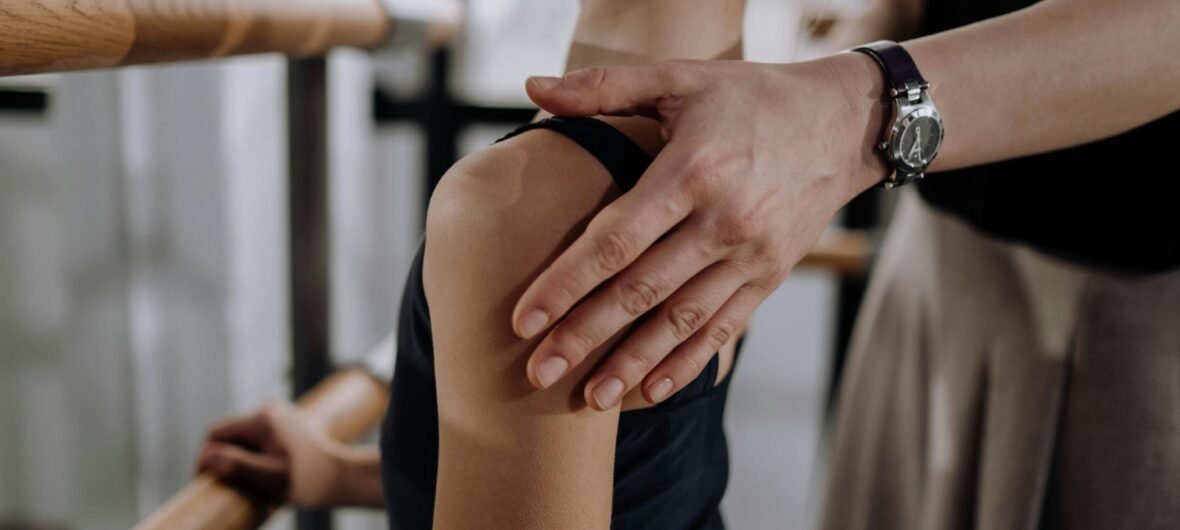
Why Posture Is Everything in Dance (And Why You Might Need a Little Help)
Whether you’re a beginner just starting your first ballet class or an intermediate hip-hop dancer trying to clean up your technique, good posture is the foundation of every movement you make. It affects how you balance, how you project energy on stage, and — most importantly — how your body feels after hours of practice. The problem? Most of us spend so much time hunched over phones and laptops that our muscles have literally forgotten what “aligned” feels like. That’s where posture correctors come in. Searching for the best posture correctors for dancers 2026 can feel overwhelming, but don’t worry — we’ve done the research so you don’t have to.
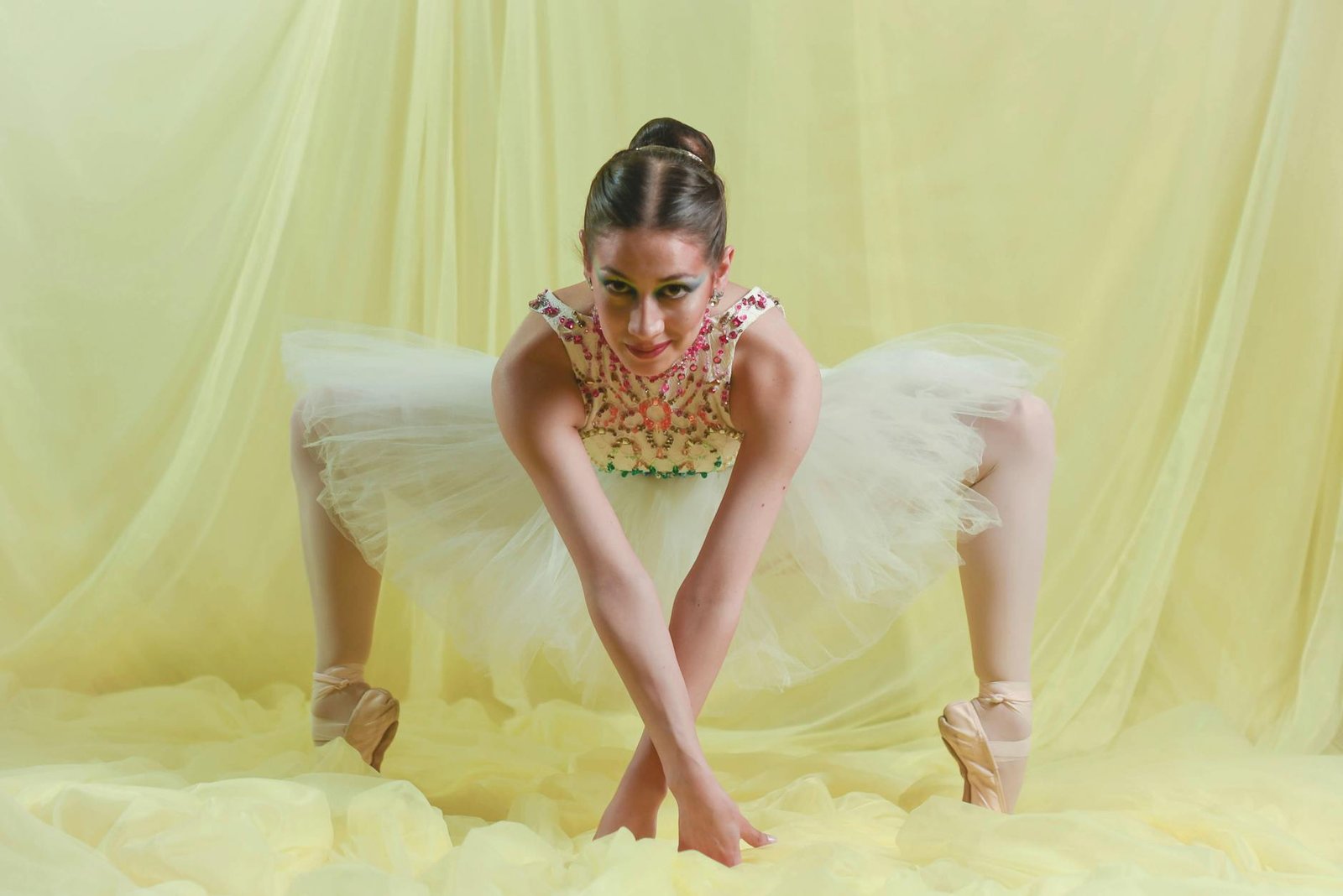
What Makes a Posture Corrector “Dancer-Friendly”?
Not all posture correctors are created equal, and as a dancer, your needs are very different from someone sitting at a desk all day. Here’s what to look for when shopping:
- Flexibility over rigidity: You need a corrector that guides your posture without locking you in place. Dancers move — a lot. Stiff braces are a nightmare on the dance floor.
- Breathable, lightweight materials: Sweating through rehearsal is normal. Look for mesh fabrics or moisture-wicking materials that won’t make you overheat.
- Low profile design: Ideally, your corrector should be discreet enough to wear under a leotard or fitted top during class.
- Adjustable fit: Every dancer’s body is different. Adjustable straps let you find the exact level of support you need.
- Targeted support zones: Look for designs that address the upper back and shoulders specifically, since that’s where most dancers carry tension and misalignment.
Keep these criteria in mind as we walk through the top picks and categories below.
Top Posture Corrector Styles for Dancers in 2026
1. Upper Back Brace-Style Correctors
These are the classic “figure-8” or clavicle brace designs that gently pull your shoulders back and open up your chest. The ComfyBrace Posture Corrector (widely available on Amazon) remains a fan favourite heading into 2026. It’s lightweight, fits under most dancewear, and comes in sizes XS through XL. It’s especially useful for dancers who struggle with rounded shoulders during turns or across-the-floor combinations.
Best for: Ballet, contemporary, and lyrical dancers who need subtle, consistent reminders to keep their shoulders back.
2. Full Back Support Vests
If you’re dealing with mid-back fatigue after long rehearsals, a full vest-style corrector offers more comprehensive support. The Marakym Posture Corrector is a popular choice on Amazon with thousands of positive reviews. Its full back panel helps distribute the workload across your entire spine, not just your shoulders. The downside? It’s bulkier, so it works better as a recovery tool at home rather than something you’d wear in class.
Best for: Post-rehearsal recovery sessions and dancers who work on floor work or acrobatic styles like acro or jazz.
3. Posture Corrector Sports Bras
This is one of the most exciting developments heading into 2026 for female dancers. Brands like Leonisa and newer activewear labels are integrating posture support directly into sports bras. You get compression, support, and alignment correction all in one garment. These are sleek, comfortable, and completely invisible under a leotard. Look for terms like “posture-correcting bra” or “back support bra” when shopping on Amazon or specialty dancewear sites.
Best for: Female dancers across all styles who want the most seamless, wearable solution during class or performance.
How to Actually Use a Posture Corrector (Most Dancers Get This Wrong)
Here’s the honest truth that most product descriptions won’t tell you: a posture corrector is a training tool, not a permanent fix. Wearing one all day, every day can actually weaken your postural muscles over time because your body starts to rely on the device instead of your own strength. Here’s how to use one smartly:
- Start with 20–30 minutes per day during low-intensity activity — not during intense rehearsals where you need full range of motion.
- Pair it with strengthening exercises. Think exercises like scapular retractions, prone cobras, and thoracic extensions. Your physiotherapist or dance teacher can guide you here.
- Use it as a warm-up or cool-down tool. Wearing it for 20 minutes before class can “prime” your body to maintain that alignment once you take it off.
- Gradually increase wear time as your awareness and muscle memory improve — but always give your body breaks.
- Listen to your body. If you feel pain, tingling, or numbness, remove it immediately and consult a professional.
Strengthening Exercises That Work Alongside Your Posture Corrector
A posture corrector does its best work when it’s supported by targeted strengthening. These exercises are simple enough for beginners but effective enough that even experienced dancers swear by them:
- Wall Angels: Stand against a wall with your lower back pressed flat and slowly raise and lower your arms like a snow angel. This opens the chest and activates the upper back.
- Doorway Chest Stretch: Place your forearms on a doorframe and gently lean forward to stretch your pectoral muscles — the tight culprits behind rounded shoulders.
- Dead Bug Exercise: Lying on your back, extend opposite arm and leg while keeping your lower back flat. This builds deep core stability that directly supports upright posture.
- Seated Scapular Squeeze: Sit tall, pinch your shoulder blades together, hold for five seconds, release. Repeat 15 times. Do this daily.
Combine these with consistent use of your posture corrector and you’ll notice a real difference in your alignment within four to six weeks.
Budget vs. Premium: What Should You Spend?
Good news for dancers on a budget — you don’t need to spend a fortune to get real results. Here’s a rough breakdown:
- Budget ($10–$25): Basic figure-8 clavicle braces. Great starting point. Brands like BetterBack or unbranded options on Amazon work well for building initial awareness.
- Mid-range ($25–$60): Better materials, more adjustability, longer lifespan. This is the sweet spot for most dancers. The Upright GO 2 electronic posture trainer falls in this range and uses gentle vibration to remind you when you’re slouching — brilliant for use during practice sessions or at home.
- Premium ($60–$120+): Full vest systems, smart wearables, or integrated dancewear. Worth it if you’re dealing with chronic postural issues or training intensively. The Upright GO S is a sleeker upgrade worth considering if you want tech-forward solutions in 2026.
Our honest recommendation? Start mid-range. You’ll get a quality product without overspending before you know how your body responds.
Red Flags to Avoid When Shopping for Posture Correctors
With so many options flooding the market in 2026, a few warning signs can save you from wasting money:
- Avoid anything that claims to “permanently fix” your posture with no exercise required — that’s simply not how the body works.
- Skip designs that are extremely rigid or restrict breathing — these are not appropriate for active use.
- Be cautious of products with no size guide. Fit matters enormously with posture correctors.
- Check reviews carefully for mentions of skin irritation, especially if you have sensitive skin or will be wearing it during sweaty dance sessions.
Stand Taller, Dance Better: Your Next Steps
Finding the best posture correctors for dancers in 2026 doesn’t have to be complicated. The key is matching the right type of corrector to your dance style, your body, and your goals — and using it as a training tool rather than a quick fix. Pair your chosen device with daily strengthening exercises, wear it consistently but not excessively, and give your body the time it needs to build real postural strength from the inside out.
Whether you go with a simple figure-8 brace, a smart wearable like the Upright GO 2, or a posture-correcting sports bra, the most important thing is that you start today. Your spine, your technique, and your audience will thank you.
Ready to dance with better posture? Browse the products mentioned in this guide on Amazon, bookmark this post for reference, and share it with a fellow dancer who could use a little lift — literally. 💃🕺