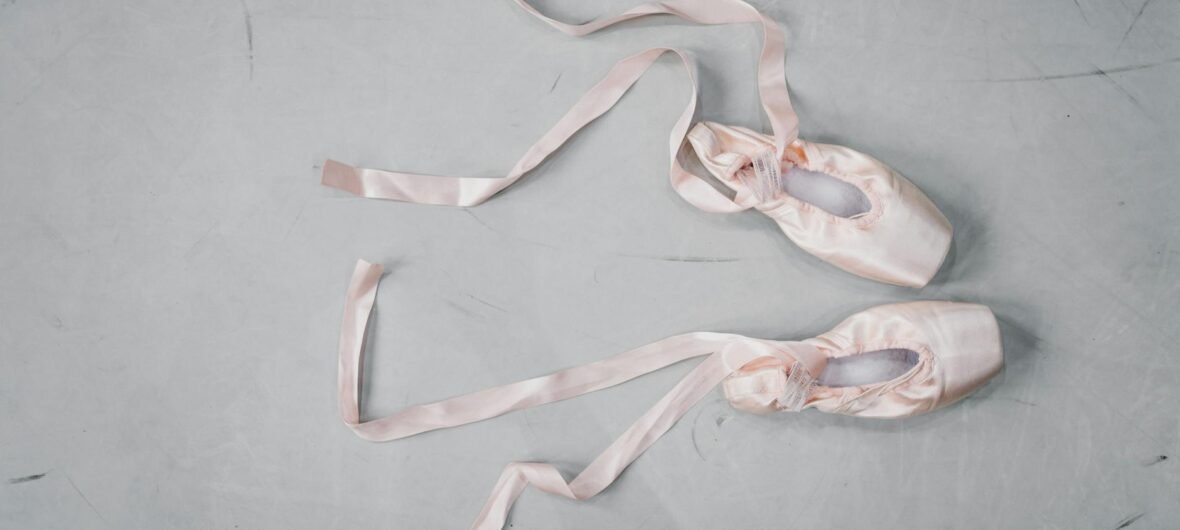
Preparing a new pair of pointe shoes for first use — a process called “breaking in” or more accurately “setting up” — includes the essential step of sewing the ribbons and elastic that secure the shoe to the dancer’s foot during the demanding physical work of pointe technique. Unlike almost any other dance shoe, pointe shoes are sold without ribbons attached: the ribbons must be sewn on by the dancer (or their parent or teacher), because the precise placement of the ribbon depends on the specific anatomy of each dancer’s ankle and foot, and what works for one dancer’s ankle may not work for another’s. This is not a design oversight but an intentional element of the pointe shoe tradition — the sewn ribbon is part of the dancer’s preparation process, and the specific placement and tension of the ribbon directly affects the aesthetic of the finished line and the secure hold of the shoe during technique. Beyond the ribbon, a second piece of elastic (either a single piece across the instep or an X-pattern crossing over the instep) provides additional security that prevents the shoe from slipping off the heel during relevés and pirouettes — the elastic’s location and tension are again specific to the individual foot’s architecture and require adjustment for each dancer. The complete ribbon-and-elastic setup of a pair of pointe shoes represents a skill that every ballet dancer develops through their training, typically first guided by a teacher or more experienced dancer, and subsequently performed independently as a standard part of dance training self-care.
This guide reviews seven of the best pointe shoe ribbon and elastic sewing kits for ballet students, evaluating ribbon quality, elastic stretch and recovery, and the complete kit contents for new pointe shoe preparation.
Quick Comparison: Best Pointe Shoe Ribbon and Elastic Sewing Kit for Ballet Students (2026)
| Product | Category | Rating | Best For | Price |
|---|---|---|---|---|
| Pointe Shoe Ribbon Set Ballet Satin Ribbon Elastic Sewing Thread Kit | Best Overall | ⭐ 4.7/5 | Ballet students setting up new pointe shoes who want a complete ribbon and elastic kit | Check Price |
| Satiny Ballet Ribbon 2.5cm Width Pointe Shoe Pink 5 Meter | Best Ribbon | ⭐ 4.6/5 | Ballet students who want to purchase ribbon separately in the correct width and shade | Check Price |
| Ballet Elastic Instep Strap Elastic Pointe Shoe Croix Strap | Best Elastic | ⭐ 4.5/5 | Ballet dancers who need elastic specifically for pointe shoe heel security | Check Price |
| Hand Sewing Needles for Ribbon Ballet Sewing Kit Sharp Point Curved | Best Needles | ⭐ 4.4/5 | Ballet dancers who need appropriate needles for sewing pointe shoe ribbons | Check Price |
| Seam Sealant No-Fray Ribbon Edge Treatment Dance Ribbon Fray Stop | Best Edge Treatment | ⭐ 4.4/5 | Ballet dancers who want fray-stop solution to prevent pointe shoe ribbon ends from unraveling | Check Price |
| Pointe Shoe Marking Template Ribbon Placement Guide Ballet Student | Best Template | ⭐ 4.3/5 | Beginning ballet students and parents who want guidance on ribbon placement for first pointe shoes | Check Price |
| Complete Pointe Shoe Care Kit Ribbon Elastic Padding Tape Set | Best Complete Care Kit | ⭐ 4.5/5 | New pointe shoe students who want a complete setup and care kit in one purchase | Check Price |
Detailed Reviews
1. Pointe Shoe Ribbon Set Ballet Satin Ribbon Elastic Sewing Thread Kit
Best for: Ballet students setting up new pointe shoes who want a complete ribbon and elastic kit | ⭐ 4.7/5
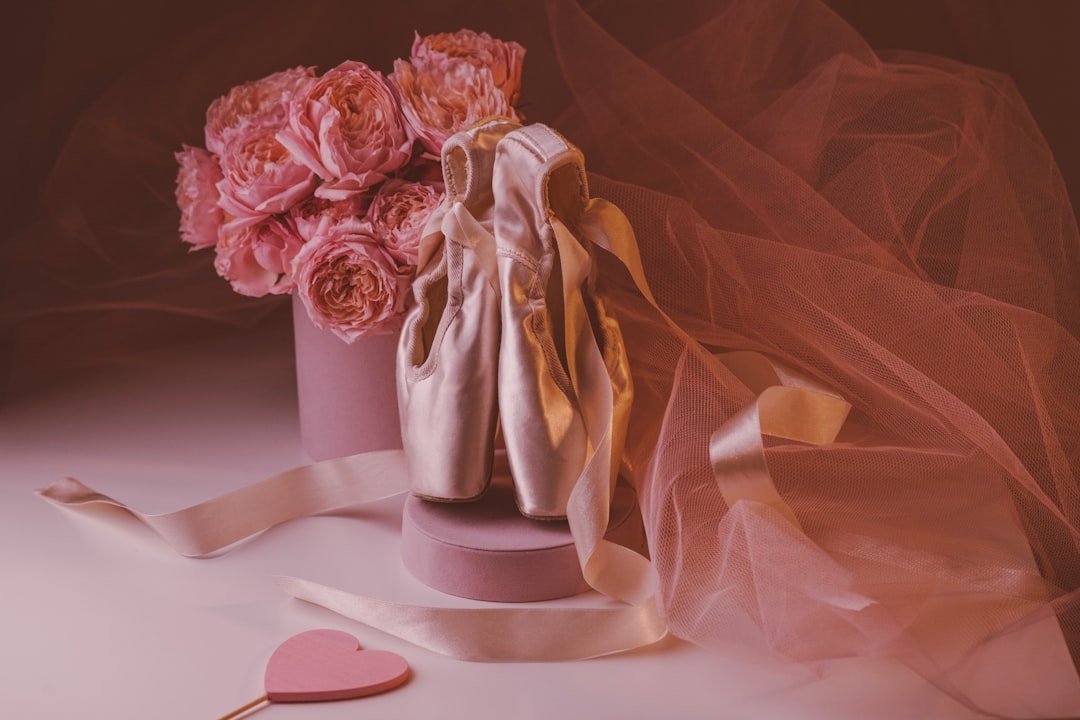
Complete pointe shoe ribbon kits — including the satin ribbon in the appropriate width (typically 2.2-2.5 cm for standard pointe shoes), enough length for two shoes (approximately 2.5 meters per shoe or 5 meters total), the matching elastic, a hand-sewing needle suitable for the work, and thread in a shade appropriate for the satin material — provide everything needed to set up a pair of pointe shoes without separate sourcing of each component. Quality kits use ribbon that matches the standard colors (pink for traditional pink satin pointe shoes, black for black satin performance pointe shoes) with the satin finish appropriate for a professional appearance.
Pros
- ✓ Complete kit includes all components for a full ribbon-and-elastic setup
- ✓ Satin ribbon in the correct width and length for standard pointe shoe setup
- ✓ Matching thread and appropriate needle included for immediate use
Cons
- ✗ Kit ribbon length may not be adequate for larger pointe shoe sizes or for dancers whose teacher specifies longer ribbon lengths — measure the specific requirement before purchasing
- ✗ Thread color in the kit may not perfectly match all ribbon colors — sourcing additional thread in the exact shade is sometimes necessary
2. Satiny Ballet Ribbon 2.5cm Width Pointe Shoe Pink 5 Meter
Best for: Ballet students who want to purchase ribbon separately in the correct width and shade | ⭐ 4.6/5
Professional-grade ballet ribbon — satin-faced ribbon in the 2.2-2.5 cm width used for pointe shoe attachment, in the traditional pink shade of most training pointe shoes — provides the correct material for a polished finished ribbon setup. Quality ribbon has a satin face that photographs well, an appropriate weight that ties cleanly without the bulk that thicker or stiffer ribbon creates, and a width that creates the correct aesthetic proportion for standard pointe shoes. The ribbon’s satin face should face outward when tied around the ankle.
Pros
- ✓ Correct width for standard pointe shoe ribbon setup
- ✓ Satin face appropriate for the polished performance aesthetic of finished pointe shoe ribbons
- ✓ 5-meter length adequate for one pair of shoes with some margin for error
Cons
- ✗ Ribbon alone requires separate purchase of elastic, needle, and thread — calculate complete setup needs before ordering
- ✗ The exact shade of pink varies between suppliers — verify the shade matches existing ribbons or the specific pointe shoe color
3. Ballet Elastic Instep Strap Elastic Pointe Shoe Croix Strap
Best for: Ballet dancers who need elastic specifically for pointe shoe heel security | ⭐ 4.5/5
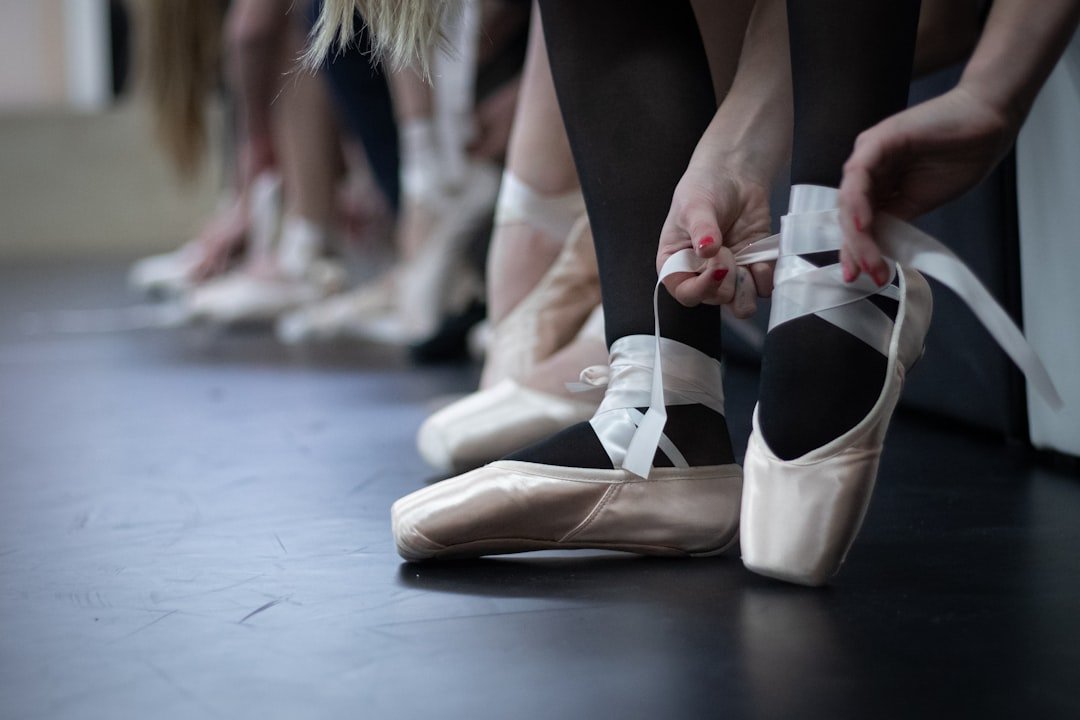
Pointe shoe elastic — the flat elastic band sewn across the instep or in an X-pattern to secure the shoe at the heel — must have the specific stretch characteristics appropriate for pointe work: enough stretch to accommodate the foot’s articulation in relevé and flexion while recovering firmly enough to keep the shoe’s heel from slipping down. Quality pointe shoe elastic has approximately 50-70% stretch with firm recovery — too stretchy and the heel slips; too stiff and it restricts foot articulation or creates visible compression marks on the ankle.
Pros
- ✓ Correct stretch characteristics appropriate for pointe shoe heel security
- ✓ Width (typically 1.8-2 cm) appropriate for standard pointe shoe instep elastic positioning
- ✓ Firm recovery keeps heel in place through the full range of pointe technique movements
Cons
- ✗ Elastic stretch characteristics are not standardized across brands — purchase from dance-specific suppliers rather than general sewing suppliers for reliable performance
- ✗ Elastic degrades over time with stretching — inspect at the start of each performance season and replace if the recovery is noticeably reduced
4. Hand Sewing Needles for Ribbon Ballet Sewing Kit Sharp Point Curved
Best for: Ballet dancers who need appropriate needles for sewing pointe shoe ribbons | ⭐ 4.4/5
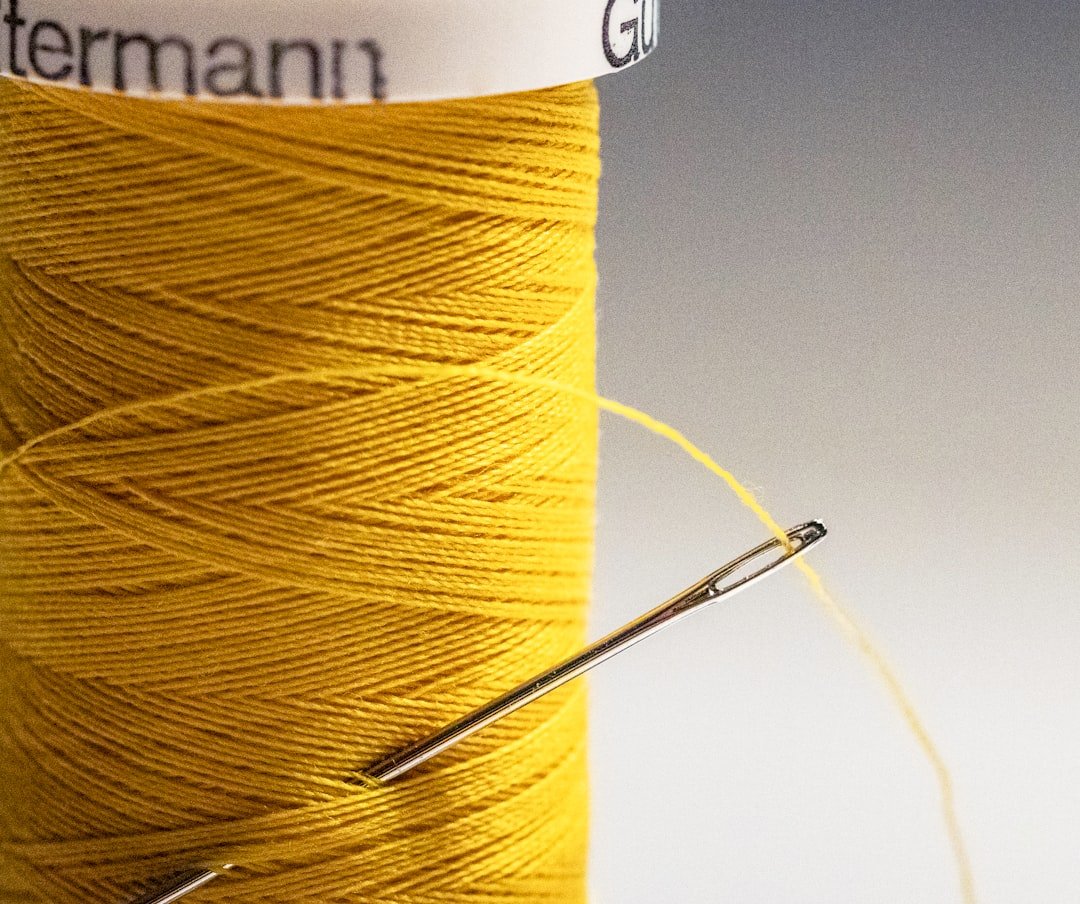
Hand sewing needles for pointe shoe ribbon — in the sizes and types appropriate for sewing through the satin ribbon and the satin or canvas body of a pointe shoe — must be sharp enough to pass cleanly through the ribbon material without damaging the satin weave and sturdy enough not to bend during the work of sewing through doubled ribbon and the shoe material simultaneously. The needle-eye must be large enough to accommodate the thread size used for pointe shoe sewing.
Pros
- ✓ Sharp point passes cleanly through satin ribbon without damaging weave
- ✓ Appropriate sizes for the specific work of pointe shoe ribbon sewing
- ✓ Multiple needle sizes in one pack accommodate different thread weights
Cons
- ✗ Needles must be replaced when bent or dulled — a bent needle from forcing through stiff material creates uneven, unsafe stitching
- ✗ Specific needle size preference is personal — experienced sewers may prefer a specific size not included in multi-packs
5. Seam Sealant No-Fray Ribbon Edge Treatment Dance Ribbon Fray Stop
Best for: Ballet dancers who want fray-stop solution to prevent pointe shoe ribbon ends from unraveling | ⭐ 4.4/5
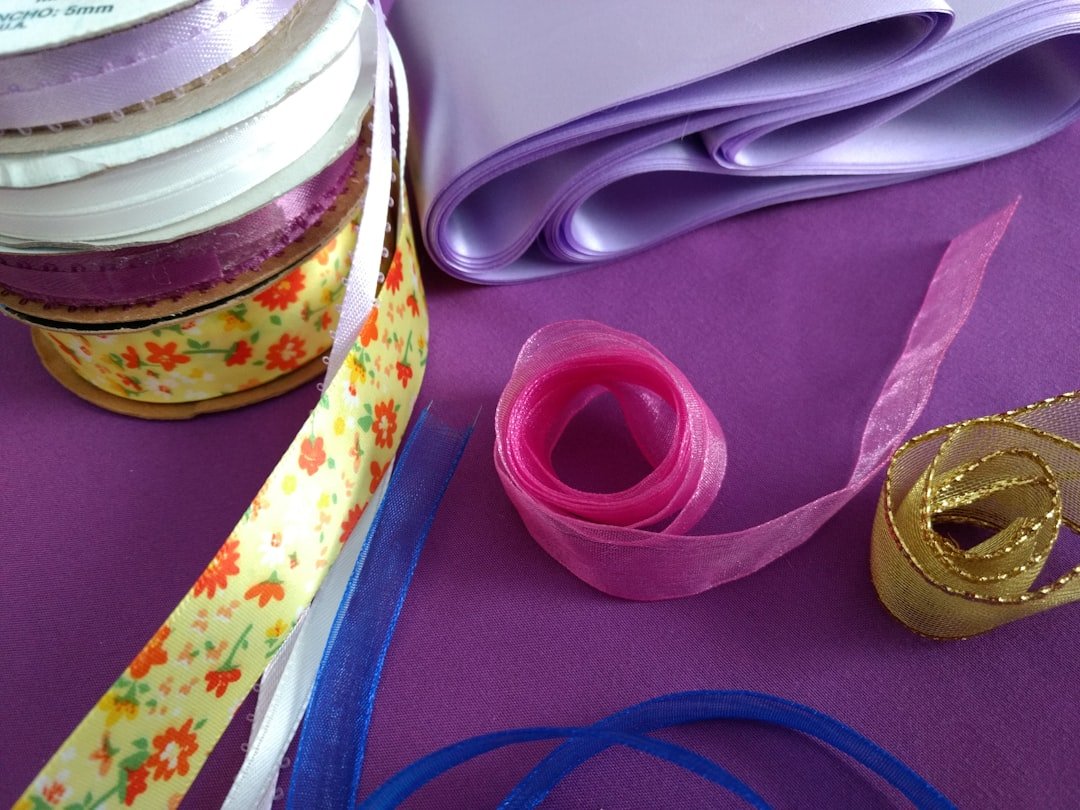
Fray-stop solutions — applied to the cut ends of pointe shoe ribbons to prevent the satin from unraveling at the cut edge — are a simple but essential part of ribbon preparation. Pointe shoe ribbon ends that fray quickly become frayed ribbons mid-class or mid-performance; a brief heat-sealing (passing the cut end quickly through a flame to melt-seal the satin edge) or fray-stop liquid application prevents this. The flame-sealing method is faster but requires care; liquid fray-stop is safer and provides a clear, flexible seal.
Pros
- ✓ Prevents ribbon fraying that begins immediately after cutting and accelerates with knotting and use
- ✓ Liquid format safer than flame-sealing, particularly for young students
- ✓ Clear, flexible seal is invisible on the finished ribbon end
Cons
- ✗ Must be applied to both ribbon ends after cutting — a step that is easy to forget in the initial setup rush before first use
- ✗ Allow to dry completely before tying — wet fray-stop creates a tacky surface that can stick to itself or to tights
6. Pointe Shoe Marking Template Ribbon Placement Guide Ballet Student
Best for: Beginning ballet students and parents who want guidance on ribbon placement for first pointe shoes | ⭐ 4.3/5
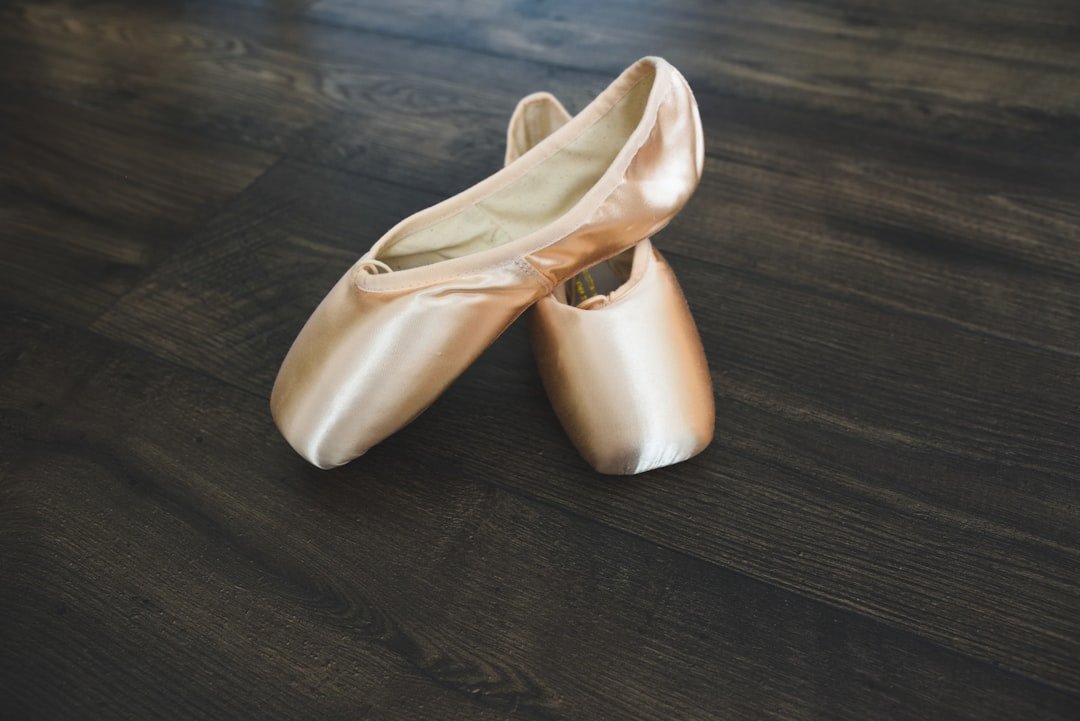
Ribbon placement guides — showing the correct position for sewing the ribbon onto the inner seam of the pointe shoe’s side — help beginning students and parents who are setting up pointe shoes for the first time avoid the common mistakes of incorrect ribbon placement (too far forward, which prevents the ribbon from lying flat; too far back, which creates gaps in the ankle coverage). The standard placement: fold the heel of the shoe forward over the insole and sew the ribbon at the fold line on the inside seam.
Pros
- ✓ Guidance for beginning students and parents setting up pointe shoes for the first time
- ✓ Correct placement prevents the aesthetic and functional problems of incorrectly placed ribbons
- ✓ Reduces the first-time anxiety of an unfamiliar skill
Cons
- ✗ Teacher guidance during the first ribbon sewing is the most reliable method — a template or guide cannot replicate the teacher’s ability to assess the specific student’s foot and ankle and customize the placement accordingly
- ✗ Placement guides address the most common standard placement — unusual foot anatomy may require teacher-customized placement
7. Complete Pointe Shoe Care Kit Ribbon Elastic Padding Tape Set
Best for: New pointe shoe students who want a complete setup and care kit in one purchase | ⭐ 4.5/5
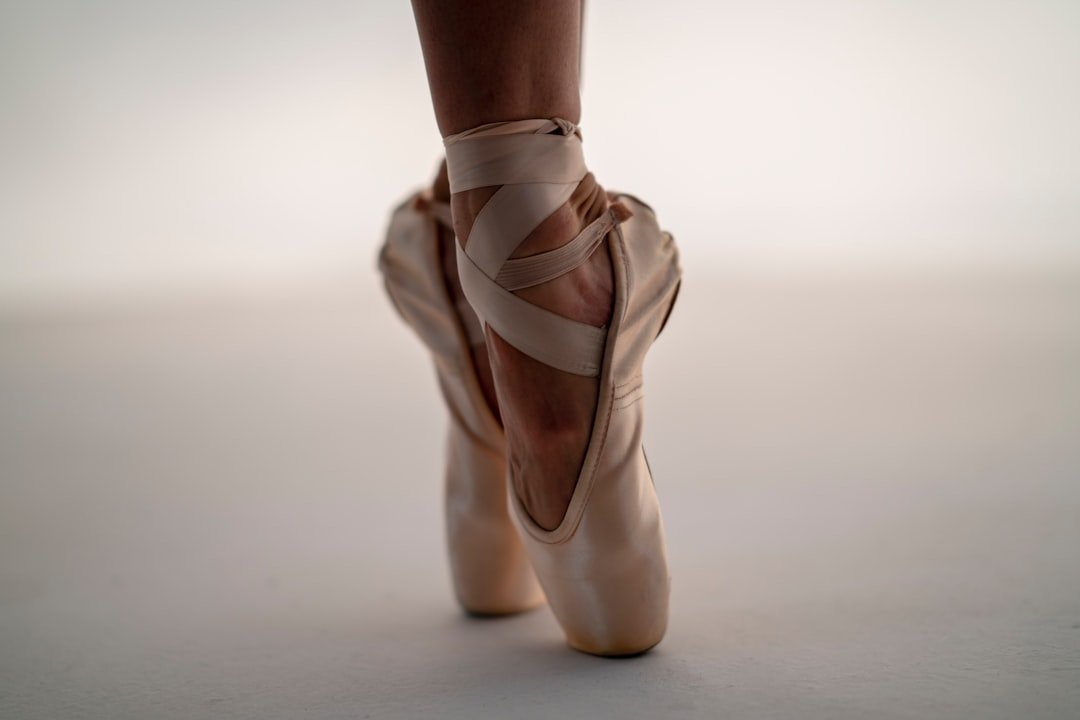
Complete pointe shoe care kits — combining ribbons, elastic, sewing supplies, toe padding, and often a pamphlet or guide on sewing and basic pointe shoe care — serve the beginning pointe student who does not yet own any of the necessary setup and care supplies. The comprehensive kit format eliminates the need to source each component separately for a first pair of pointe shoes, which is convenient for the student and parent navigating the unfamiliar world of pointe shoe preparation for the first time.
Pros
- ✓ Complete kit eliminates multiple separate purchases for first-time pointe shoe setup
- ✓ Includes toe padding supplies alongside ribbon and elastic
- ✓ Good overview of all setup and care needs in one organized package
Cons
- ✗ Kit quality varies significantly by supplier — the specific quality of each included component should be verified against individual alternatives
- ✗ The ‘complete’ kit may not include every component needed for specific needs — verify against the teacher’s specific setup recommendations
Buying Guide: What to Look for
Setting up pointe shoes correctly is a skill taught within the ballet training relationship:
- The Standard Ribbon Sewing Procedure: The standard method for sewing pointe shoe ribbons: fold the heel of the shoe forward along the natural seam that runs across the insole; the fold creates a crease on the inner side of the shoe (the side nearest the big toe) — the ribbon is sewn at this fold line, with the ribbon extending back toward the heel. The ribbon is sewn through the satin or canvas of the shoe to the inner drawstring casing — take care not to sew through the drawstring itself, which would prevent the drawstring’s adjustment function. Sew a rectangle of stitches (not just a line) around the ribbon attachment area — the rectangular stitch pattern distributes the load of the ribbon across a larger area and is significantly more durable than a single line of stitches that can pull through the material under the repeated stress of tying and untying.
- Elastic Placement Options: There are two standard elastic configurations for pointe shoes. Single instep elastic: a single piece of elastic sewn at both sides of the shoe across the instep (the arch area), creating a single band that holds the heel of the shoe down. This is the most common configuration for students. X-elastic (cross elastic): two pieces of elastic sewn in an X pattern across the instep, each attached on the opposite side of the shoe from the ribbon it crosses — this creates a more secure hold for dancers whose heel tends to slip out of standard single elastic. Some dancers use both a single instep elastic and a separate piece of elastic across the back of the heel for maximum security. The teacher’s recommendation on elastic placement is the most reliable guide for the individual student’s specific foot.
- Care of Ribbons During Wear: Proper tying and care of the ribbons during use extends their life and maintains the aesthetic appearance that is important in ballet. Tying: tie the ribbons on the inside of the ankle (never at the back of the leg, which creates bulk, or at the front, which creates a visible knot); tie a secure knot (the specific knot varies by teacher preference — some teachers use a square knot and tuck, others use a small bow that is tucked in) and tuck the ends under the ribbon loop to prevent loose ends. After use: untie the ribbons gently rather than pulling — a ribbon that is regularly pulled out of a tight knot develops fraying at the knot point faster than a ribbon that is untied carefully. Washing: if ribbons become soiled, hand washing in lukewarm water with a mild soap (not machine washing, which damages the satin weave) and air drying straight (not twisted) maintains their appearance.
- When to Replace Ribbons and Elastic: The lifespan of pointe shoe ribbons and elastic is limited. Replace ribbons when: the satin becomes frayed or worn thin at high-stress points (the knot area, the attachment seam); the ribbon loses its satin finish and becomes dull or matted; the ribbon stretches out and no longer provides firm hold when tied. Replace elastic when: the elastic does not recover to its original length after stretching (i.e., it has lost its spring); the elastic shows visible deterioration (fraying, thinning, or discoloration). Both ribbons and elastic are inexpensive enough that replacing them at the first sign of wear — rather than continuing to use degraded materials — is worth the small investment to maintain the shoe’s security and aesthetic.
Frequently Asked Questions
When do ballet students start wearing pointe shoes?
The appropriate age and developmental stage for beginning pointe work is one of the most important and most frequently misunderstood questions in ballet training. The minimum age guidelines typically cited by dance medicine specialists: age 11-12 at the earliest, with 12-13 being the most commonly recommended minimum for beginning pointe work. The reason: the growth plates (areas of growing bone) in the foot are not fully closed until approximately age 12-14, and the forces of pointe work can damage incompletely formed growth plate cartilage. However, age is not the only criterion — a 12-year-old who has not yet developed the strength, technique, and bone development necessary for safe pointe work should not begin simply because of their age. The teacher’s assessment of the student’s physical and technical readiness (through a structured evaluation of ankle strength, core stability, and technique quality) is the authoritative guide for beginning pointe work.
How long do pointe shoes last?
Pointe shoe lifespan varies dramatically based on the dancer’s level, training load, body weight, and the specific shoe construction. General guidance: professional dancers in daily rehearsal and performance may go through 1-2 pairs per week — the demanding schedule and the highly technical movements they perform break down the box (the hard toe block) quickly. Serious pre-professional students in 15-20 hours per week of training: 1-2 pairs per month. Recreational and student ballet practitioners: 3-6 months per pair or longer, depending on training frequency. The primary functional component that wears out is the box — the hard toe block that supports the foot in the pointe position becomes soft and unable to provide the necessary support when it has broken down. A shoe whose box has broken down (evident when the box can be easily compressed by hand, creating a soft, mushy feeling) cannot support the dancer safely in pointe position regardless of the shoe’s external appearance.
Should I break in my pointe shoes before wearing them?
The concept of ‘breaking in’ pointe shoes requires clarification — the goal is to make the shoe’s box and shank responsive to the specific dancer’s foot, not to soften the shoe’s support generally. Methods used to break in pointe shoes: gently bending the shank by hand to fit the foot’s arch profile (not folding sharply, which can damage the shank); careful manipulation of the box to fit the specific shape of the dancer’s toes; wearing the shoes around the house in socks to allow them to begin molding to the foot before ballet class. Methods to avoid: slamming the box repeatedly against a hard surface to soften it (damages the box structure unevenly); using water or heat to accelerate the softening (can dramatically and unpredictably alter the box chemistry); and letting someone else break in the shoes for you (the shoe should mold to the specific dancer’s foot). The teacher or a professional pointe shoe fitter’s guidance on the specific shoes’ appropriate preparation is the most reliable resource.
What is a pointe shoe fitting and why is it important?
A professional pointe shoe fitting is a consultation with a trained pointe shoe fitter (at a specialist dance supply store) who assesses the dancer’s specific foot anatomy — toe length and relative lengths, foot width, arch height, vamp height preference — and fits the dancer in multiple brands and styles of pointe shoes to identify the specific construction that best matches the foot. A correct fitting: the toes should lie flat in the box without curling or jamming; the sides of the foot should be snug without painful pressure points; the vamp (front opening) should be appropriate for the length of the toes; and the shank length should match the natural arch. A poorly fitted pointe shoe — too wide (allowing the foot to sink past the intended pointe position), too narrow (creating painful pressure on the toes), or with the wrong vamp length — creates both technique problems and injury risk. First pointe shoes should always be fitted by a professional fitter, not selected from online sizing alone.
Can pointe shoes be dyed to match a specific costume color?
Yes — pointe shoes can be dyed, painted, or covered to match specific costume colors for performances requiring non-standard shoe colors. Methods: fabric dye (appropriate for satin pointe shoes — cold water dye or fabric paint applied to the satin exterior); satin spray paint (provides a uniform color application over the full shoe); or custom-dyed shoes ordered from specialist pointe shoe companies for professional productions. The most common dyeing scenario: dyeing pink pointe shoes to a flesh tone that matches the dancer’s skin (for the ‘invisible foot’ aesthetic) or to a stage-appropriate color for a specific production. Home dyeing requires practice to achieve uniform color — test on an old pair before dyeing the performance pair.
Final Verdict
A complete pointe shoe ribbon kit — including satin ribbon in the correct width and color for the specific shoes, matching elastic, appropriate needle and thread, and a fray-stop solution — provides everything needed to set up a new pair of pointe shoes correctly. The ribbon placement and sewing technique must be learned from the teacher or an experienced dancer for the first pair — the kit provides the materials, but the skill requires guided instruction. Replace ribbons and elastic at the first sign of wear rather than extending their use past the point of reliable function.