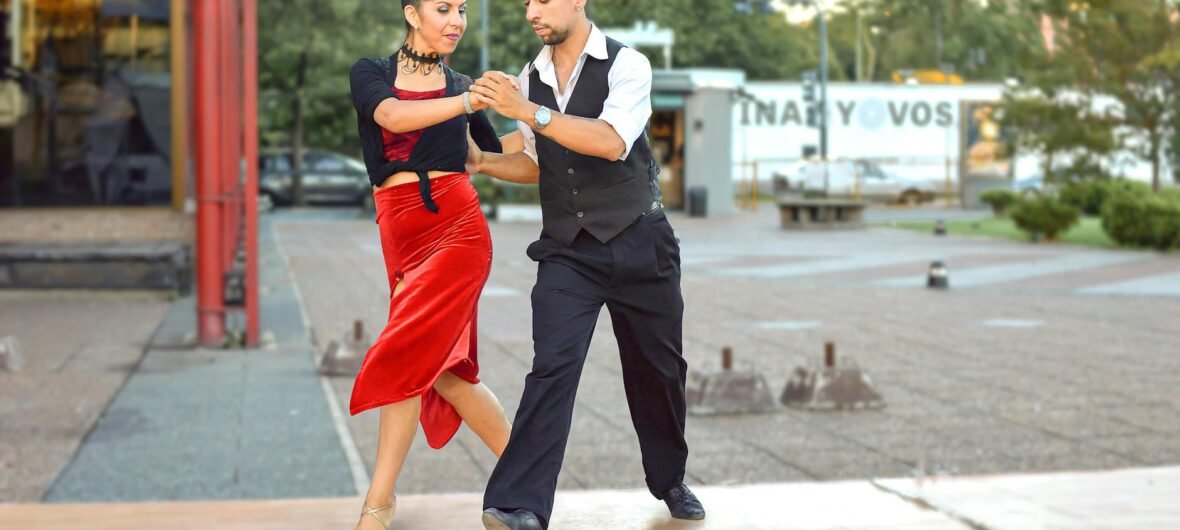
Why Learning Tango Online in 2026 Is Better Than Ever
If you’ve been dreaming of gliding across the dance floor with that unmistakable tango passion, you’re in luck. The world of online tango education has absolutely exploded in recent years, and 2026 brings some of the most polished, accessible, and genuinely effective learning platforms ever created. Whether you’re a complete beginner who has never done a single ocho or an intermediate dancer looking to refine your embrace and musicality, there’s never been a better time to learn tango from home.
In this guide, we’ve done the deep research so you don’t have to. We’ll compare the leading platforms, highlight what makes each one special, and give you honest advice on what to buy, what to skip, and what gear will help you practice smarter. Let’s dive in.
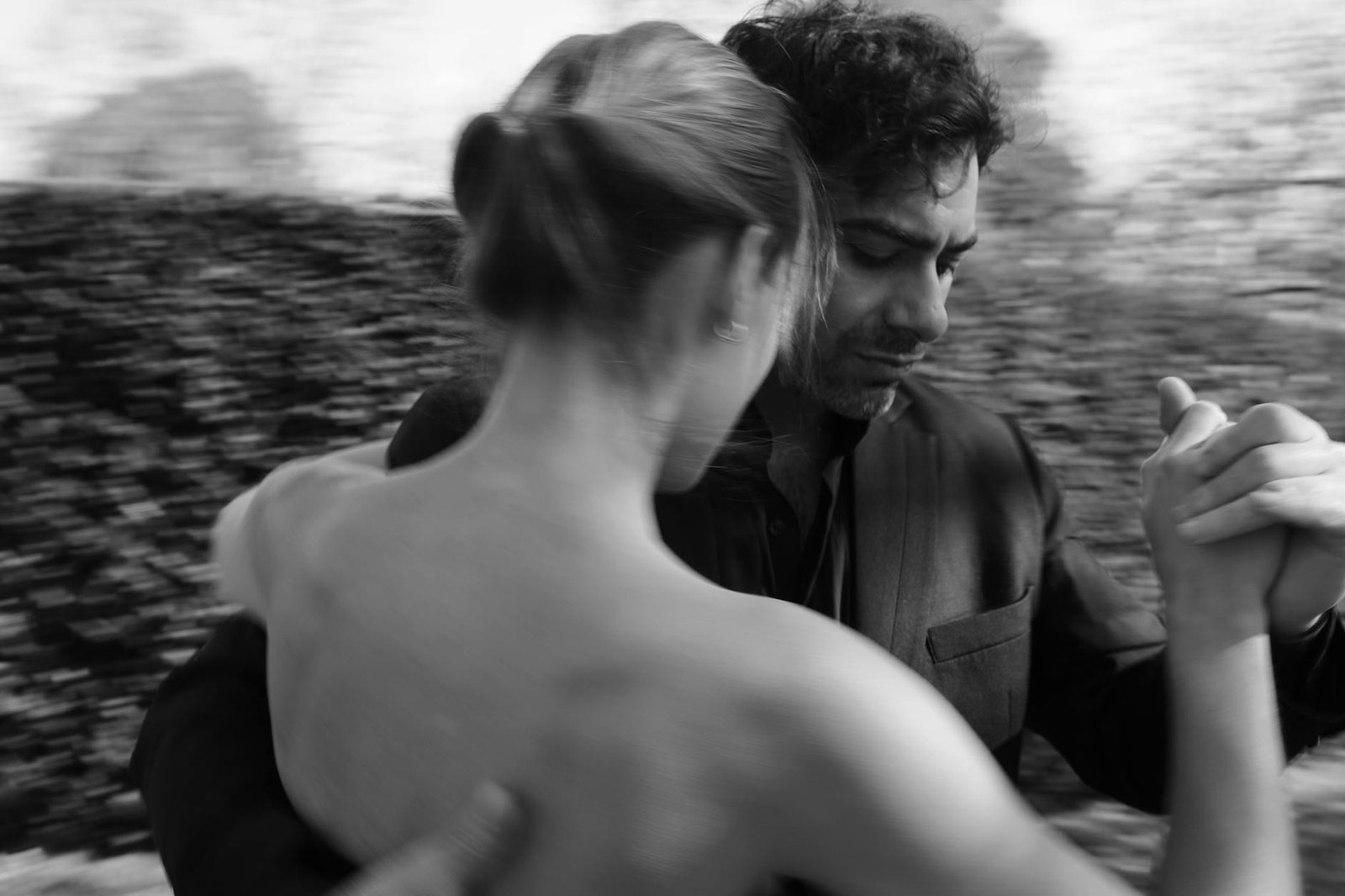
What to Look for in an Online Tango Class
Before spending a single dollar, it pays to know what separates a truly great online tango course from a frustrating waste of time. Here are the key factors we used to evaluate every platform in this comparison:
- Teaching clarity: Can you actually see the footwork, the lead signals, and the body positioning? Camera angles matter enormously in tango.
- Structured progression: Great courses take you from foundational embrace and walking technique all the way to complex sequences — not just random moves.
- Solo-friendly content: Many learners don’t have a partner at home. Platforms that offer solo practice drills are a huge bonus.
- Music integration: Tango is deeply musical. Look for courses that teach you to listen to Di Sarli, Pugliese, and Piazzolla — not just count beats.
- Community access: Live feedback, forums, or Q&A sessions with instructors dramatically accelerate learning.
- Value for money: We’ll break down pricing so you know exactly what you’re getting.
Top Online Tango Platforms Compared: 2026 Edition
Here’s our honest, side-by-side breakdown of the most popular options available right now.
1. TangoForge — Best for Serious Learners
TangoForge continues to be the gold standard for structured online tango education in 2026. Founded by world-class teachers Nora Dinzelbacher and Robb Nance, this platform offers a deeply systematic curriculum that treats tango as a movement language, not just a set of steps. Their “Intelligent Tango” methodology focuses on lead-and-follow communication, which means you’ll build real dance skills rather than memorizing patterns you can’t adapt on the fly.
Pricing sits around $49–$79/month depending on your membership tier, with an annual option that saves you roughly 25%. The video library is enormous, the camera work is excellent (multiple angles, slow-motion replays), and the community forum is genuinely active. This is our top pick for anyone who wants to take tango seriously.
Best for: Committed beginners and intermediate dancers ready to invest in real technique.
2. Tango Magia — Best for Beginners on a Budget
Tango Magia offers one of the most accessible entry points to online tango in 2026. Their beginner courses are friendly, warmly presented, and logically sequenced. The instructors — who teach in both English and Spanish — have a natural on-screen chemistry that makes lessons feel personal rather than sterile. At around $19–$29/month, this is one of the most affordable paid platforms available.
The downsides? The library is smaller than TangoForge, and intermediate content can feel thin. But as a starting point? It’s nearly perfect.
Best for: Absolute beginners who want affordable, welcoming instruction.
3. Udemy Tango Courses — Best for One-Time Purchases
If subscriptions aren’t your thing, Udemy offers a healthy selection of tango courses available for a one-time fee — often as low as $12–$20 during their frequent sales. Courses by instructors like Pablo Veron’s collaborators and various Buenos Aires maestros cover everything from beginner fundamentals to milonga and vals.
The catch is inconsistency — quality varies wildly between instructors. Always read reviews carefully and look for courses with at least 100+ student ratings before purchasing. The upside is that you own the content forever, which is great for self-paced learners.
Best for: Learners who prefer to own content and hate monthly fees.
4. YouTube — Best Free Resource (With Caveats)
Let’s be honest: YouTube is an incredible free resource for tango learners in 2026, and channels like Tango Space, Passion4dancing, and the archived milonga sessions from Buenos Aires festivals offer genuine value. You can absolutely learn the basics here for free.
However, YouTube lacks structure. You’ll spend more time searching than learning, and without a clear progression, many self-taught dancers develop bad habits that are hard to break later. Use YouTube as a supplement — not as your primary curriculum.
Best for: Curious beginners exploring before committing, or intermediate dancers looking for inspiration.
Essential Gear to Support Your Online Tango Journey
The right equipment makes practicing at home dramatically more effective. Here’s what we recommend:
- Tango shoes: Don’t practice in sneakers. A pair of dedicated tango shoes with a suede sole transforms how you pivot and step. On Amazon, brands like Comme Il Faut replicas and Capezio’s ballroom dance shoes are popular, affordable choices for beginners. Look for a 2–3 inch heel for women and a low Cuban heel for men.
- Portable dance floor tile: If your floors are carpeted, invest in a set of vinyl dance floor tiles (widely available on Amazon for around $30–$60 for a starter set). They create a smooth, safe surface for pivots and ochos.
- Full-length mirror: Seeing yourself dance is non-negotiable for self-correction. A large wall-mounted mirror or a tall free-standing mirror (search Amazon for “dance mirror full length”) is one of the best investments you can make.
- Bluetooth speaker: Tango musicality is everything. A quality speaker like the JBL Charge 5 ensures you’re hearing the orchestras properly, not through tinny laptop speakers.
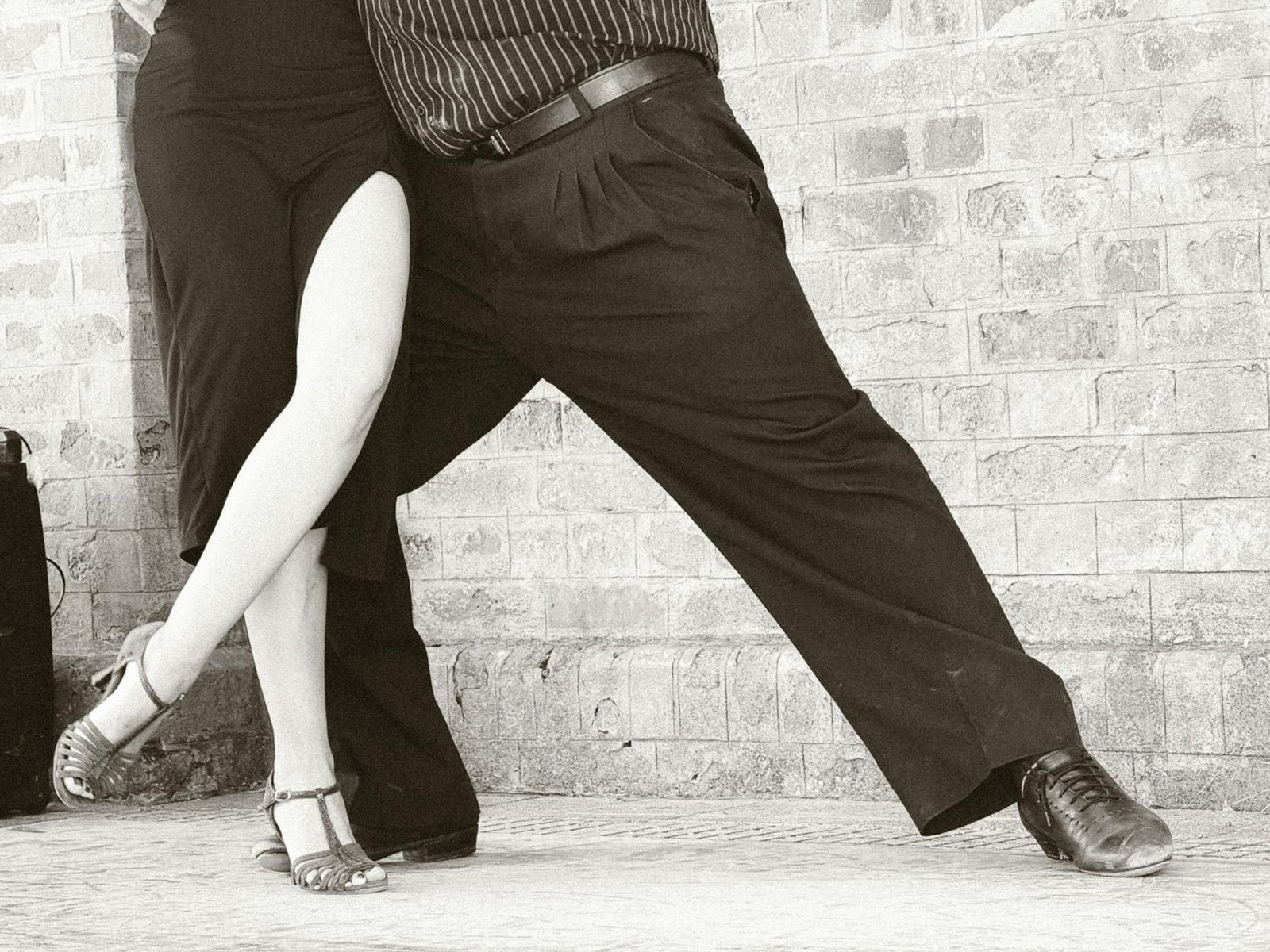
Tips for Getting the Most Out of Online Tango Classes
Even the best platform won’t help if you’re not practicing strategically. Here’s how to accelerate your progress:
- Practice in short, daily sessions. Thirty minutes every day beats a three-hour marathon once a week. Muscle memory builds through repetition, not exhaustion.
- Record yourself. Use your phone on a tripod (a basic smartphone tripod costs under $20 on Amazon) to film your practice. You’ll catch errors your mirror can’t show you.
- Find a practice partner online. Many platforms have community boards or Facebook groups where learners connect for virtual practice sessions via Zoom. Don’t underestimate how much this helps.
- Listen to tango music constantly. Put on Golden Age tandas while cooking, commuting, or working. Your musicality develops passively when you spend time inside the music.
- Attend local milongas when possible. Online learning and real-world social dancing are a powerful combination. Even one milonga a month will turbocharge what you’re absorbing online.
Beginner vs. Intermediate: Which Platform Is Right for You?
This is one of the most common questions we get, so here’s a simple breakdown:
- Complete beginner (0–6 months): Start with Tango Magia for affordable, structured fundamentals, or try free YouTube channels to sample the style first. Buy a decent pair of tango shoes immediately — it’s the single best investment you can make.
- Developing beginner (6–18 months): Upgrade to TangoForge. You’ve built enough foundation to appreciate the depth of their system, and you’ll hit a ceiling on cheaper platforms quickly.
- Intermediate dancer (18+ months): TangoForge plus targeted Udemy courses from guest instructors is a powerful combination. Supplement heavily with YouTube workshops from international maestros visiting festivals.
Our Final Verdict on the Best Online Tango Classes of 2026
After comparing platforms, pricing, teaching quality, and community support, here’s the bottom line:
Best overall: TangoForge — unmatched depth and methodology for committed learners.
Best for beginners: Tango Magia — friendly, affordable, and genuinely well-structured.
Best budget option: Udemy — great for one-time purchases during sales.
Best free resource: YouTube — perfect as a supplement, not a primary school.
The beauty of 2026 is that you don’t have to choose just one. Many serious learners stack a primary platform subscription with free YouTube content and the occasional targeted Udemy course purchase. The ecosystem has matured enough that a well-curated combination genuinely rivals in-person instruction in many ways.
Ready to take your first steps? Start with a free trial on TangoForge or grab a beginner course on Tango Magia today — lace up those tango shoes, clear some space in your living room, and let the music move you. The dance floor is waiting, and it’s closer than you think.