Why the Right Jazz Shoes Make All the Difference
Whether you just signed up for your first jazz class or you’ve been performing on stage for years, one thing is universally true: the shoes on your feet can make or break your dance experience. The best jazz shoes for beginners and professionals aren’t just about looking the part — they directly impact your technique, comfort, and confidence on the floor.
Jazz shoes are designed with a flexible split sole or full sole, a low heel, and snug fit that allows your foot to articulate naturally through every kick, turn, and slide. But with so many options flooding the market, how do you know which pair is right for you? That’s exactly what this guide is here to answer.
Understanding the Different Types of Jazz Shoes
Before you click ‘add to cart,’ it’s worth knowing that jazz shoes come in a few distinct styles. Choosing the wrong type can leave you frustrated and uncomfortable during class.
- Split-sole jazz shoes: These feature a divided sole — one section under the ball of the foot and another under the heel — with nothing in the arch. This design gives dancers incredible flexibility and is the go-to choice for most intermediate and professional dancers.
- Full-sole jazz shoes: A continuous sole runs the entire length of the shoe. These offer more support and are often recommended for absolute beginners whose feet and ankles are still building strength.
- Slip-on jazz shoes: Lace-free and easy to put on, these are popular for casual classes and younger students. They tend to have a sleeker silhouette.
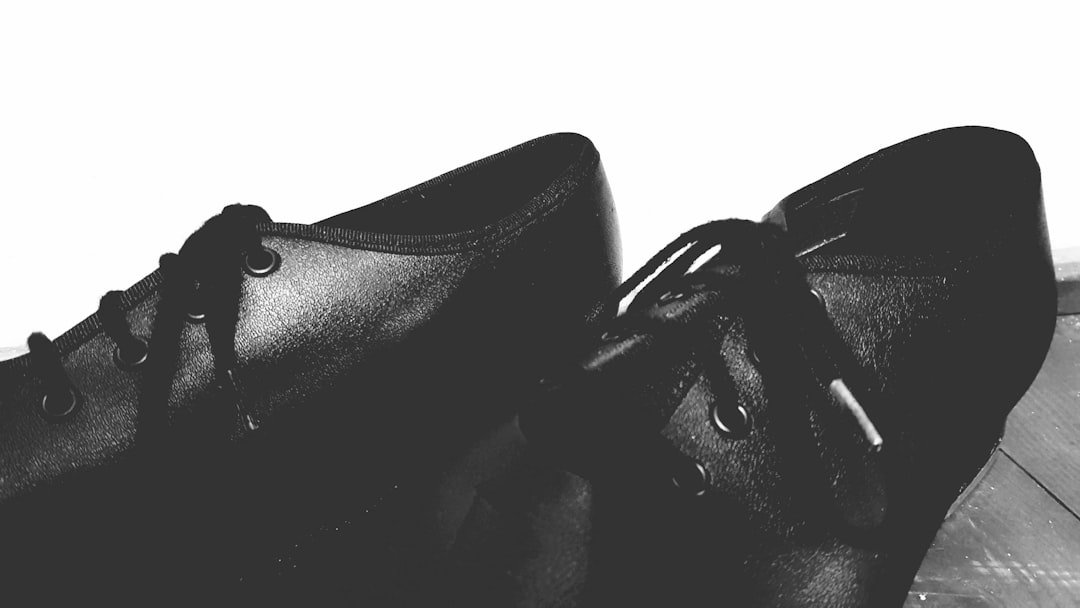
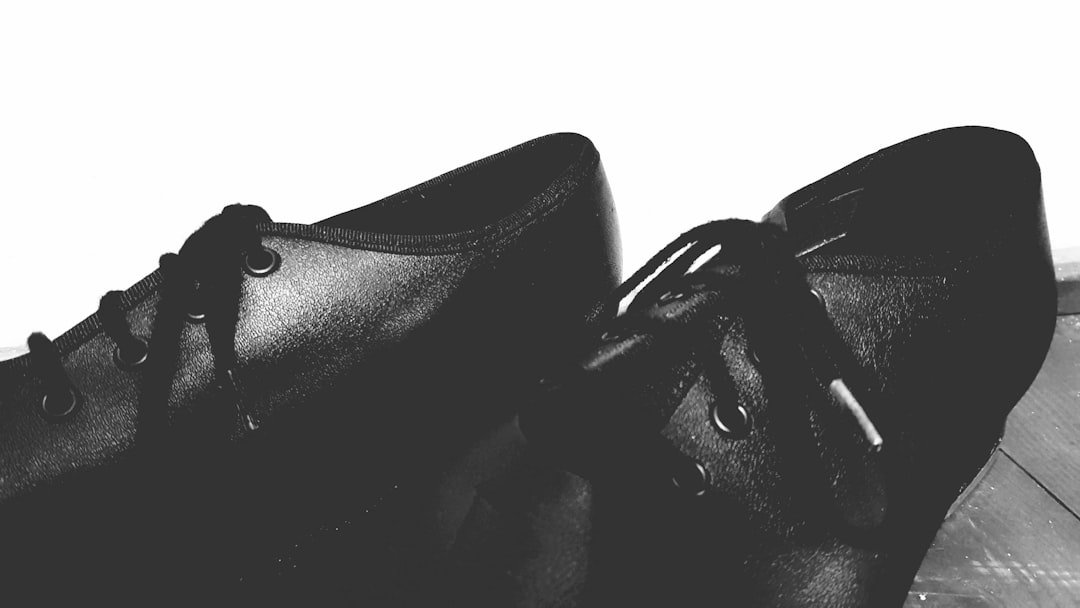
- Lace-up jazz shoes: These offer a more secure, customizable fit, which is preferred by serious dancers who need precise foot control during complex choreography.
As a beginner, starting with a full-sole or a supportive split-sole shoe is a smart move. Professionals often gravitate toward lightweight split-sole options for maximum floor feel and flexibility.
Key Features to Look for When Shopping
Not all jazz shoes are created equal, and knowing what to look for will save you money and frustration in the long run. Here are the features that truly matter:
- Flexibility: Your shoe should bend easily when you press the toe toward the heel. Stiff shoes will fight against your natural foot movement.
- Fit: Jazz shoes should fit snugly — almost like a second skin — without being painfully tight. Avoid shoes with excess toe room, as they can slide around and throw off your balance.
- Material: Leather jazz shoes are durable and mold to your foot over time, while canvas options are lighter and more breathable. Both are excellent choices depending on your preference.
- Heel height: Most jazz shoes have a slight heel of about half an inch. This subtle lift helps with posture and is suitable for most jazz styles.
- Grip and slide balance: Jazz dancing requires a unique combination of traction and glide. Look for a suede or rubber outsole that lets you turn smoothly without slipping dangerously.
Top Jazz Shoe Recommendations for Beginners
If you’re just starting out, you want a shoe that’s forgiving, supportive, and affordable enough that you won’t feel guilty when your tastes evolve. Here are some fan-favorite picks that are widely loved by beginner dancers:
Bloch Boost DRT Jazz Shoe
Bloch is one of the most trusted names in dancewear, and their Boost DRT model is a fantastic entry point. It features a full rubber outsole for added grip, a mesh upper for breathability, and a cushioned insole that keeps your feet comfortable during long rehearsals. It’s available on Amazon in a wide range of sizes and colors, making it easy to find exactly what you need.
Capezio Hanami Jazz Shoe
The Capezio Hanami is a beloved beginner shoe known for its ultra-flexible split sole and lightweight construction. It’s made from a stretchy knit material that hugs the foot immediately — no break-in period required. If comfort and ease are your top priorities, this shoe deserves a spot on your shortlist.
Theatricals Adult Leather Jazz Shoe
For those on a tighter budget, Theatricals offers a genuine leather jazz shoe that punches well above its price point. It’s a straightforward, reliable shoe that teaches beginners what a proper jazz shoe should feel like without a hefty investment.
Best Jazz Shoes for Intermediate and Professional Dancers
As your technique sharpens, your shoe requirements become more specific. You’ll want something that responds instantly to your movements, holds up through rigorous rehearsals, and looks polished under stage lighting.
Bloch S0413L Synchrony Jazz Shoe
This is a perennial favorite among working professional dancers. The Synchrony features a split sole with Bloch’s signature Supple Leather upper, which conforms beautifully to the foot. The mesh inset enhances breathability during high-intensity numbers, and the microfiber lining wicks away moisture. Many professional jazz instructors swear by this model.
Capezio EJ2 Tic Tap Toe Jazz Shoe
Don’t let the name fool you — the EJ2 is a stellar jazz performance shoe. It offers a classic lace-up style with a low stacked heel, making it ideal for Broadway-style jazz where clean footwork is everything. The full-grain leather construction means this shoe will last for seasons of heavy use.
So Danca SD-16 Jazz Shoe
So Danca is a brand that has been gaining serious attention in the professional dance community. Their SD-16 model features a hand-sewn split sole and buttery-soft leather that gives dancers exceptional floor feedback. If you want to feel every nuance of the floor beneath you, this shoe delivers.
How to Break In Your New Jazz Shoes
Even the best jazz shoes may feel slightly stiff when they first arrive. Here’s how to break them in quickly and safely:
- Wear them around the house: Put your new shoes on for 20–30 minutes at a time before your first class. This lets the material relax and mold to your foot shape.
- Flex the sole manually: Gently bend the shoe back and forth by hand to soften the sole before your first wear.
- Start with short sessions: Don’t wear brand-new shoes to a three-hour rehearsal. Ease them in gradually to prevent blisters.
- Use thin dance socks or tights: These can reduce friction during the break-in phase and help protect your skin.
Leather shoes tend to take a little longer to break in than canvas or knit options, but they reward your patience with an incredibly custom fit over time.
Caring for Your Jazz Shoes to Make Them Last
Jazz shoes are an investment, and a little care goes a long way in extending their life. Follow these simple maintenance tips:
- Air them out after every class: Never store sweaty shoes in a sealed bag. Let them breathe to prevent odor and material breakdown.
- Use a shoe brush on suede soles: A small suede brush will restore the nap on the outsole and keep it performing correctly.
- Condition leather regularly: A light application of leather conditioner every few months keeps the material supple and prevents cracking.
- Store them properly: Keep your jazz shoes in a breathable mesh bag or open shoe box away from direct sunlight.
Final Thoughts: Step Into Your Best Dance Yet
Finding the best jazz shoes for beginners and professionals doesn’t have to feel overwhelming. Start by understanding your level, knowing what features matter most, and choosing a reputable brand that fits your budget. Whether you’re taking your very first jazz class or preparing for a professional performance, the right shoe will support your technique, protect your feet, and give you the confidence to move freely.
Ready to find your perfect pair? Browse the shoes mentioned in this guide on Amazon, read the customer reviews, and don’t be afraid to try a couple of styles before committing to one. Your feet — and your dance teacher — will thank you. Drop a comment below and let us know which jazz shoe is your favorite, or share this post with a fellow dancer who’s on the hunt for their next perfect pair!
You might also like: