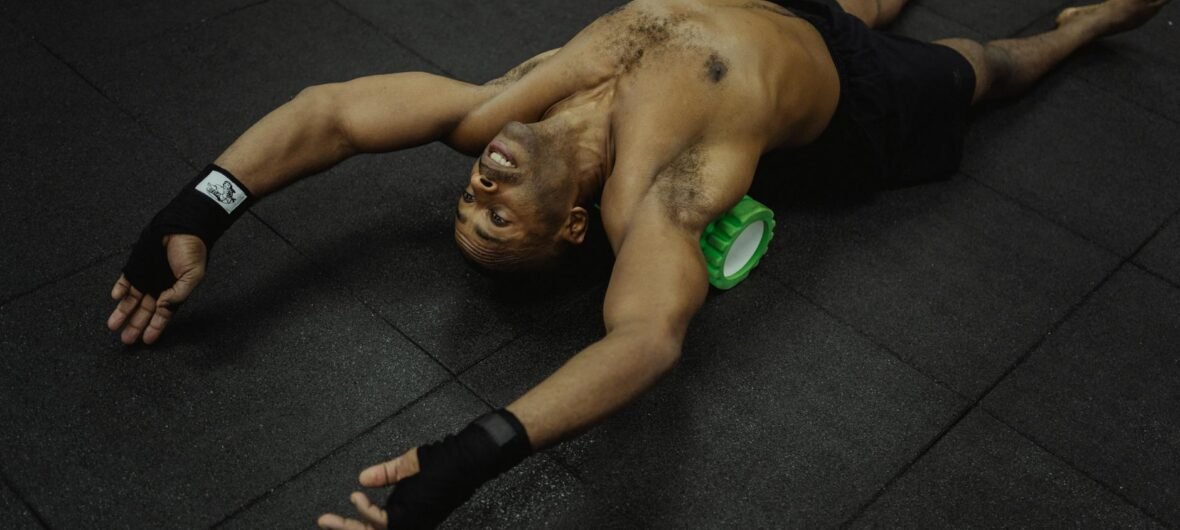
The foam roller has become one of the most widely used self-care tools in professional dance, having migrated from physical therapy and sports conditioning contexts into the daily recovery routines of ballet companies, contemporary dance ensembles, and dance students at all levels over the past two decades. The technique it facilitates — self-myofascial release, commonly abbreviated as SMR — involves applying controlled compression to specific muscle groups and fascial planes, which produces a neurological response (specifically through the Golgi tendon organ’s response to sustained pressure) that reduces muscle tone and promotes temporary increases in tissue extensibility. For dancers, this mechanism addresses several of the most common physical challenges of intensive training: the chronic tightening of the hip flexors and quadriceps from repeated relevé, jump landing, and plié patterns; the thoracic and thoracolumbar fascia restriction that limits spinal mobility in backbend work; the calf and Achilles complex tightening that follows extensive pointe and relevé work; and the hamstring and IT band tension that accumulates through the hip external rotation positions of classical ballet and the deep plié patterns of multiple dance forms. The foam roller allows the dancer to address these restrictions at home, between classes, and after rehearsals — providing a self-directed recovery tool that extends the benefits of professional physiotherapy between appointments. The range of available foam roller tools has expanded significantly: from the basic cylindrical foam roller (the original tool) to textured or grid-pattern rollers (for more targeted tissue contact), to vibrating rollers (that add vibration to the compression effect), to smaller, denser rollers and balls optimized for specific body regions, to half-round rollers used for balance training and targeted stretching. The dance-specific use of foam rollers requires some care around which tissue areas are appropriate for self-compression and which require professional assessment rather than self-treatment.
This guide reviews seven of the best foam rollers for dance muscle recovery and flexibility, evaluating density, size, and dance-specific utility.
Quick Comparison: Best Foam Roller for Dancers Muscle Recovery and Flexibility (2026)
| Product | Category | Rating | Best For | Price |
|---|---|---|---|---|
| High Density Foam Roller 36 Inch Full Body Dance Recovery Roller | Best Overall | ⭐ 4.8/5 | Dancers who want a full-length, high-density roller for thoracic spine and full-leg rolling | Check Price |
| Textured Grid Foam Roller Trigger Point Dance Massage Deep Tissue | Best Textured | ⭐ 4.7/5 | Experienced dancers who want the more targeted tissue contact of a grid or textured roller | Check Price |
| Vibrating Foam Roller Electric Massage Roller Dance Recovery Vibration | Best Vibrating | ⭐ 4.6/5 | Dancers who want the enhanced recovery effect of combined foam rolling and vibration | Check Price |
| Short Travel Foam Roller 12 Inch Compact Dance Massage Portable | Best Travel | ⭐ 4.5/5 | Dancers who need a compact foam roller for travel and theater backstage use | Check Price |
| Massage Ball Set Dance Recovery Kit Lacrosse Ball Trigger Point Set | Best Ball Set | ⭐ 4.6/5 | Dancers who want targeted point-specific release for the foot, hip, and specific trigger points | Check Price |
| Half Round Foam Roller Balance Training Stretch Ankle Dance | Best Half Round | ⭐ 4.4/5 | Dancers who want a half-round roller for balance training and ankle flexibility work | Check Price |
| Budget Foam Roller Soft Density Dance Recovery Basic Stretching | Best Budget | ⭐ 4.0/5 | Beginning dancers who want an affordable foam roller for initial recovery exploration | Check Price |
Detailed Reviews
1. High Density Foam Roller 36 Inch Full Body Dance Recovery Roller
Best for: Dancers who want a full-length, high-density roller for thoracic spine and full-leg rolling | ⭐ 4.8/5
Full-length (36-inch) high-density foam rollers provide the most versatile tool for dance recovery: long enough for full thoracic spine extension over the roller (one of the most beneficial applications for dancers who experience thoracic restriction from overhead port de bras and backbend work), and dense enough to apply meaningful compression to the large muscle groups of the quadriceps, hamstrings, and calves without completely compressing under body weight.
Pros
- ✓ 36-inch length accommodates the full thoracic spine for spine extension over the roller
- ✓ High density maintains compression effectiveness without fully compressing under body weight
- ✓ Versatile for all major dance recovery applications: thoracic, hip flexor, quad, hamstring, calf
Cons
- ✗ 36-inch length requires more storage space than shorter alternatives
- ✗ High density is more intense than standard density — may be uncomfortable initially for users new to foam rolling
2. Textured Grid Foam Roller Trigger Point Dance Massage Deep Tissue
Best for: Experienced dancers who want the more targeted tissue contact of a grid or textured roller | ⭐ 4.7/5
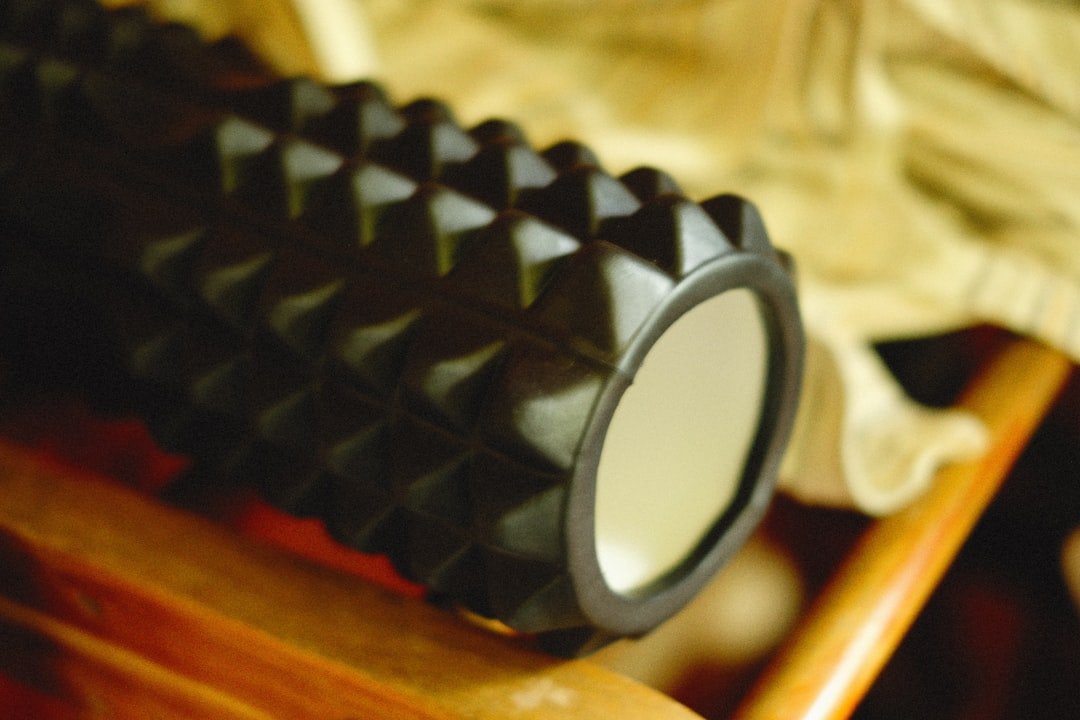
Grid or textured foam rollers — with raised ridges, knobs, or grid patterns on the surface rather than the smooth surface of standard rollers — provide a more varied tissue contact that some users find more effective for targeting specific myofascial restrictions. The ridges and knobs create varying pressure profiles across the tissue being rolled, which may access restrictions that a smooth roller does not address as specifically.
Pros
- ✓ Textured surface provides varied pressure profiles for potentially more specific tissue contact
- ✓ Grid patterns often indicate different density zones that the user can navigate based on discomfort level
- ✓ More durable than solid foam at equivalent density levels — the grid pattern resists permanent deformation
Cons
- ✗ More intense sensation than smooth rollers — not appropriate for users new to foam rolling who need to develop tolerance gradually
- ✗ The ridges and knobs may create discomfort when rolling over bony prominences — avoid rolling directly over the iliac crest, knee joint, and other bony landmarks
3. Vibrating Foam Roller Electric Massage Roller Dance Recovery Vibration
Best for: Dancers who want the enhanced recovery effect of combined foam rolling and vibration | ⭐ 4.6/5
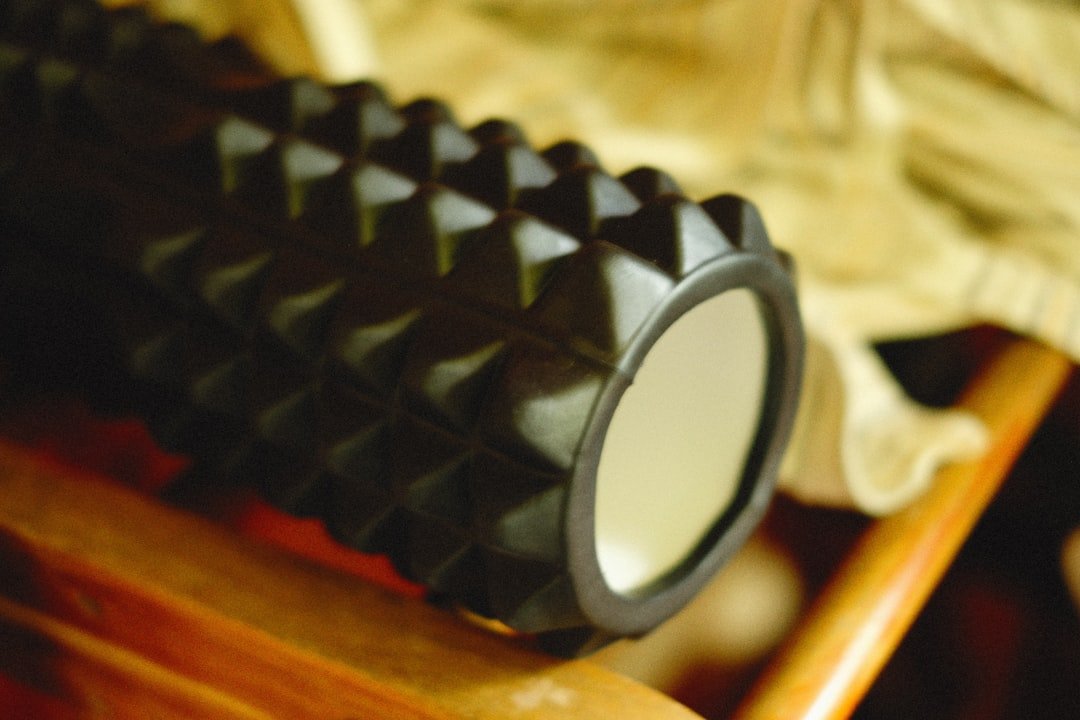
Vibrating foam rollers — integrating an electric vibration mechanism into the roller’s construction — combine the compression effect of standard rolling with vibration therapy, which produces an additional muscle relaxation response through the sensory system’s vibration processing. Some research suggests that vibration augments the muscle tone reduction effect of rolling, though the clinical evidence is still developing.
Pros
- ✓ Vibration adds an additional sensory stimulus that may enhance the muscle relaxation effect
- ✓ Multiple vibration frequency settings allow adjustment from gentle to intensive stimulation
- ✓ Rechargeable battery provides cordless use during warm-up or cool-down sequences anywhere in the studio or home
Cons
- ✗ Significantly more expensive than standard foam rollers
- ✗ Battery requires charging management — not available if the battery is depleted when needed
- ✗ The vibration effect is most noticeable for some users and minimally perceptible for others — personal response varies significantly
4. Short Travel Foam Roller 12 Inch Compact Dance Massage Portable
Best for: Dancers who need a compact foam roller for travel and theater backstage use | ⭐ 4.5/5
Compact 12-inch foam rollers — small enough to fit in a dance bag alongside shoes and costume components — provide the essential foam rolling function in a format appropriate for travel, backstage warm-up, and small studio spaces. While the shorter length limits thoracic spine applications, compact rollers are fully effective for the calf, quad, IT band, and hip flexor applications that are the most common dance recovery uses.
Pros
- ✓ Compact size fits in a dance bag for travel and backstage use
- ✓ Fully effective for the most common dance rolling applications despite shorter length
- ✓ Lighter weight than full-length rollers — easier to carry to class and performances
Cons
- ✗ Shorter length does not allow the full thoracic spine extension applications that require the full-length roller
- ✗ Some creative positioning required for certain applications that the full-length roller accommodates naturally
5. Massage Ball Set Dance Recovery Kit Lacrosse Ball Trigger Point Set
Best for: Dancers who want targeted point-specific release for the foot, hip, and specific trigger points | ⭐ 4.6/5
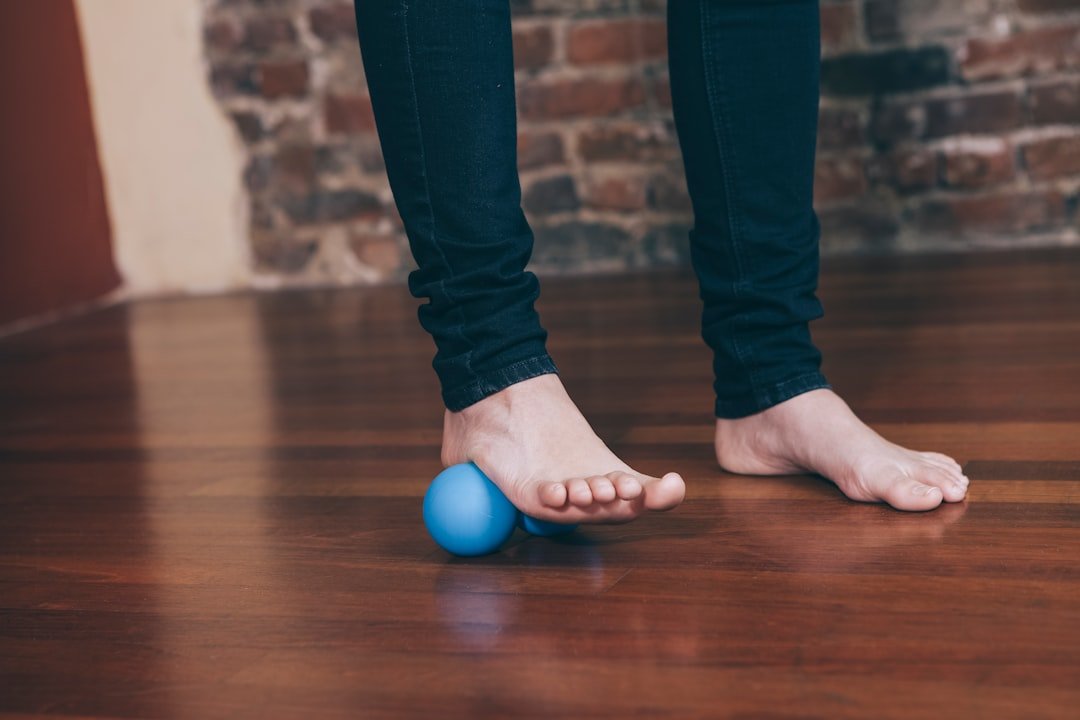
Massage ball sets — including lacrosse balls, peanut balls (two connected balls), and various density spheres — provide the most targeted compression for specific anatomical locations that the cylindrical roller cannot access precisely. The foot rolling application (standing on a ball and applying body weight to roll it across the plantar fascia) is one of the most beneficial dance-specific recovery techniques, addressing the plantar fascia tension that extensive relevé and pointe work creates.
Pros
- ✓ Extremely targeted compression for specific trigger points and small anatomical locations
- ✓ Foot rolling is one of the most beneficial and widely recommended dance recovery techniques
- ✓ Multiple ball sizes address different tissue areas and pressure levels
Cons
- ✗ The intense compression of a lacrosse ball on certain trigger points may be uncomfortable initially — approach gradually
- ✗ Less versatile for large muscle groups than a cylindrical foam roller — the two tools complement rather than replace each other
6. Half Round Foam Roller Balance Training Stretch Ankle Dance
Best for: Dancers who want a half-round roller for balance training and ankle flexibility work | ⭐ 4.4/5
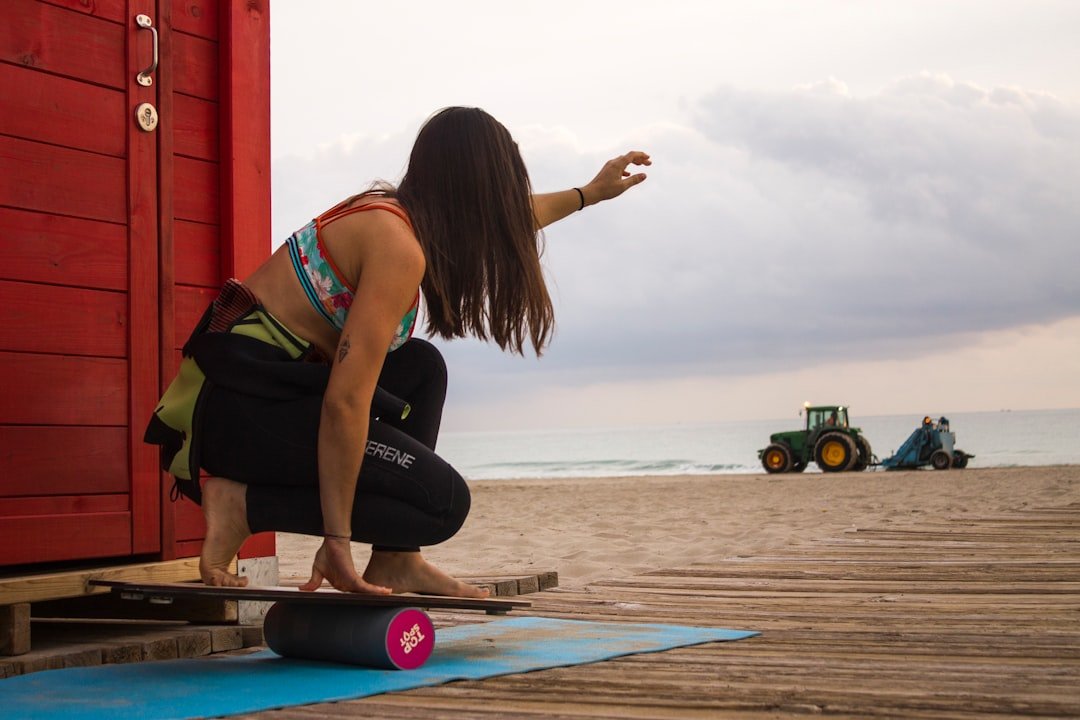
Half-round foam rollers — with a flat side and a curved side — serve multiple dance-specific functions. Balance training: standing on the curved side of a half-round roller challenges the ankle’s proprioceptive system in a controlled way — this specific balance training application is a recommended exercise in ankle rehabilitation and balance development programs. Achilles and calf stretching: standing with the heel on the flat side and the forefoot elevated over the edge provides a targeted Achilles complex stretch.
Pros
- ✓ Balance training application provides functional proprioceptive challenge for dance-relevant ankle stability
- ✓ Achilles and calf stretching application addresses one of the most common tightness areas for ballet dancers
- ✓ Flat base is stable for seated or lying position tissue release applications
Cons
- ✗ The balance training application requires careful positioning and progressive loading — begin on one foot only with a wall or barre for support until comfortable
- ✗ Less versatile than a full cylindrical roller for most standard foam rolling applications
7. Budget Foam Roller Soft Density Dance Recovery Basic Stretching
Best for: Beginning dancers who want an affordable foam roller for initial recovery exploration | ⭐ 4.0/5
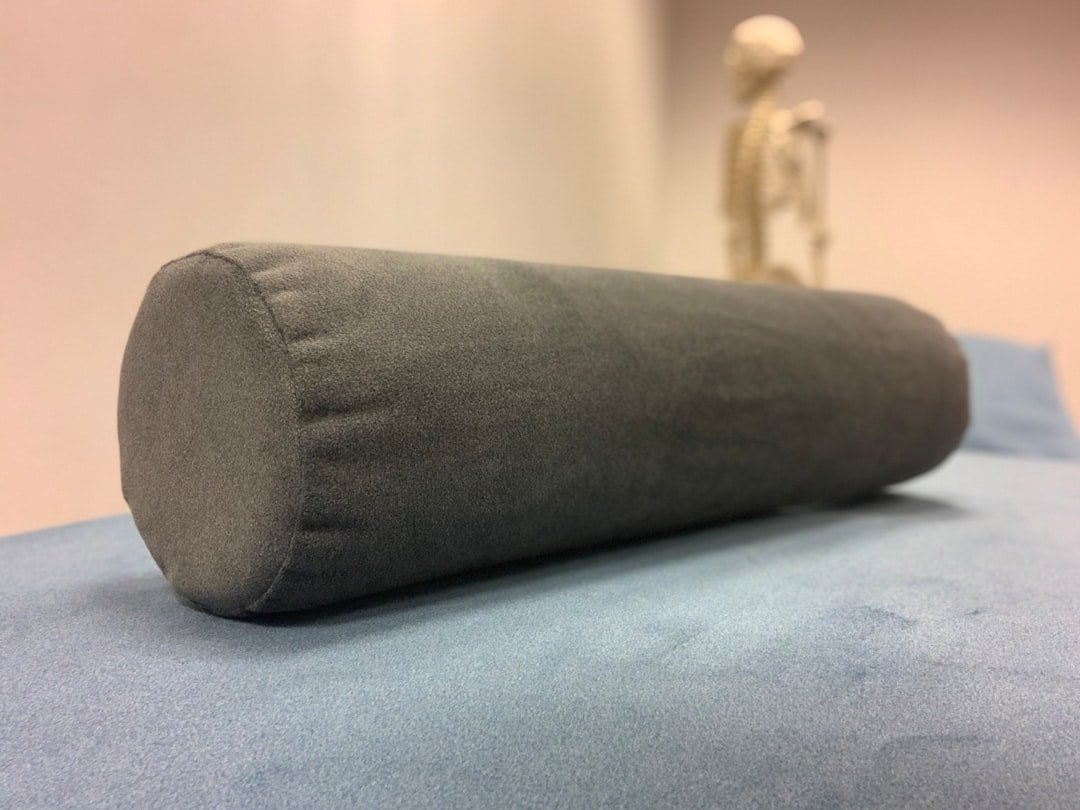
Budget soft-density foam rollers at the lowest price point provide the basic compression function for initial foam rolling exploration. The soft density compresses more under body weight than high-density alternatives, reducing the compression effectiveness but also reducing the initial discomfort for users new to foam rolling. Appropriate for beginning exploration but may need to be replaced with a higher-density roller as the user develops more tolerance.
Pros
- ✓ Accessible price for initial foam rolling exploration
- ✓ Softer density reduces initial discomfort for users new to the technique
- ✓ Basic recovery function for the most common dance rolling applications
Cons
- ✗ Soft density compresses significantly under body weight — effectiveness for dense tissue groups like the quadriceps is limited
- ✗ May permanently deform faster than high-density alternatives under regular use
Buying Guide: What to Look for
Using foam rollers effectively for dance recovery requires understanding the technique and appropriate body areas:
- Density Selection for Dance: Foam roller density is the most important specification for dance recovery use. Soft density (white EPE foam, compresses easily under body weight): appropriate for users new to foam rolling, for very sensitive areas, and for general warming-up applications. Medium density (blue or medium-grade foam): the most versatile option for most dance recovery applications — provides meaningful compression without the intensity of high-density. High density (black or EVA foam, does not compress easily under body weight): the most effective for deep tissue applications in large muscle groups like the quadriceps and hip flexors; may be too intense initially for users who have not developed tolerance. Grid/textured rollers add surface texture to any density level, increasing the intensity of the compression. Start with medium density and progress to high density as tolerance develops.
- Dance-Specific Foam Rolling Applications: Specific body areas where foam rolling is most beneficial for dancers. Thoracic spine extension: lie with the foam roller under the mid-back (thoracic region), support the head with the hands, and allow the thoracic spine to extend over the roller in small sections — this addresses the thoracic restriction that limits backbend range and overhead arm work. DO NOT extend the lumbar spine (lower back) over the roller — this can create or aggravate lumbar instability. Quadriceps: lie face-down with the roller under the front of the thigh; roll from the hip to just above the knee, pausing on areas of increased tension. IT band: lie on the side with the roller under the outer thigh; roll from just below the hip to just above the knee. Calf and Achilles: sit with the roller under the calf and apply body weight; roll from just below the knee to above the ankle. Foot: stand and apply body weight to a ball under the plantar fascia; small rolling motions address plantar fascia tension.
- Technique for Effective Rolling: Foam rolling technique affects both effectiveness and safety. Speed: roll slowly — approximately one inch per second — rather than rapidly rolling back and forth. The slow pace allows the nervous system response (Golgi tendon organ activation) to produce the muscle tone reduction that makes rolling effective; rapid rolling is less effective. Pause on tender areas: when a tender point is found, pause and apply sustained pressure for 30-60 seconds until the sensitivity reduces — this sustained pressure application is the primary mechanism of the myofascial release effect. Breathing: breathe slowly and continuously during rolling — the sympathetic nervous system activation from holding the breath reduces the effectiveness of the relaxation response. Avoid rolling directly over joints (knee, ankle, hip joint), bony prominences (iliac crest, greater trochanter, tibial tuberosity), or the lumbar spine.
- Timing of Foam Rolling: The timing of foam rolling relative to class and rehearsal affects its appropriate use. Before class (warm-up): light foam rolling with moderate pressure can be used as part of the warm-up to reduce tension and increase tissue extensibility before activity — keep pre-class rolling to 30-60 seconds per area and do not pursue deep, intense rolling before exercise. After class (cool-down): longer, more intensive rolling is appropriate after class to address the tension accumulated during training — 60-120 seconds per area in post-class recovery application. On rest days: foam rolling as a standalone recovery practice without class before or after — this is the context for the most comprehensive, extended application. Avoid foam rolling immediately before high-precision technique work where maximum muscle activation is needed — the temporary tone reduction that rolling produces can temporarily reduce the responsiveness of the muscles for complex technical work.
Frequently Asked Questions
Is foam rolling good for ballet dancers?
Yes — foam rolling is used regularly by professional ballet dancers and recommended by dance medicine practitioners as part of a comprehensive physical maintenance program. The most relevant applications for ballet: thoracic spine mobility (addressing the thoracic restriction that limits backbend range in extreme arabesque and port de bras positions); quadriceps release (addressing the chronic tightening from repetitive relevé and jump patterns); calf and Achilles release (addressing the tightening from extensive pointe and relevé work that can contribute to Achilles tendinopathy risk); and plantar fascia release using a ball (addressing the tension that extended pointe shoe use and hard floor impact creates in the plantar fascia). Used correctly and at appropriate intensity, foam rolling is a low-risk, accessible self-care tool for dancers at all levels.
Can foam rolling improve flexibility for dancers?
Foam rolling produces a temporary increase in tissue extensibility — the muscle tone reduction from the Golgi tendon organ response allows the tissue to be taken to a slightly greater length immediately after rolling than was accessible before. This temporary effect is most useful as a preparation for static stretching: rolling an area first, then immediately applying a static stretch to the same area, may produce greater acute flexibility gains than static stretching alone. However, the flexibility improvement from foam rolling is temporary (lasting approximately 10-30 minutes) and is not a substitute for consistent static stretching practice, which produces more durable tissue length changes over time. For long-term flexibility development, foam rolling and static stretching work best as complementary tools rather than alternatives.
How often should dancers foam roll?
The appropriate frequency of foam rolling for dancers is daily or near-daily as part of the cool-down and recovery routine after training. Most dance medicine practitioners recommend: a short rolling session (5-10 minutes) after every class or rehearsal session to address the acute tension accumulated during training; a longer session (15-20 minutes) on rest days when no class is scheduled; and targeted rolling for specific areas of concern identified by a physiotherapist as part of a rehabilitation program. There is no strong evidence for rolling frequencies greater than once daily providing additional benefit. If foam rolling produces significant pain (beyond the typical tenderness of releasing a tight area), reduces rather than improves subsequent function, or is applied over an acutely injured area, reduce frequency and intensity and consult a healthcare provider.
What areas should dancers not foam roll?
Several body areas are not appropriate for foam rolling by dancers without professional guidance. The lumbar spine (lower back): extending the lumbar spine over a foam roller can create or aggravate lumbar facet joint irritation and lumbar instability — use the roller only in the thoracic region for spine work, stopping at the bottom of the rib cage. Directly over the knee joint: rolling over the knee joint directly applies uncomfortable compression to the joint structures — roll the muscle groups above and below the knee but stop short of the joint itself. Over acutely injured areas: any area with acute inflammation, a recent muscle strain or tear, or bruising from a recent injury should not be rolled — the compression can aggravate the inflammation and delay healing. Over bony prominences (iliac crest, greater trochanter, tibial tuberosity): direct compression on prominently bony areas is painful and unproductive — roll the muscle tissue adjacent to bony landmarks rather than directly over them.
What is the difference between a foam roller and a massage stick?
Foam rollers and massage sticks serve similar myofascial release functions through different mechanisms. Foam roller: the user moves their body across a stationary roller using body weight to apply compression; the compression is controlled by how much body weight is applied and how the body is positioned. Massage stick: the user holds the stick and rolls it across the muscle with the hands, controlling the pressure manually; this allows rolling without lying on the floor and is particularly convenient for calves and quads in a standing position. Advantages of the foam roller: more effective for areas that require the user’s body weight for adequate compression (thoracic spine, hip flexors, IT band where hand-applied pressure is insufficient). Advantages of the massage stick: usable in a standing position without floor space; convenient for backstage warm-up where floor access is limited; easier to apply to areas that are difficult to position the body for rolling (the hamstrings, the anterior tibia). Many dancers use both tools for different recovery applications.
Final Verdict
A high-density 36-inch foam roller for full-length thoracic and lower extremity applications — combined with a massage ball set for targeted foot and trigger point work — provides the most comprehensive dance recovery tool combination. Begin with medium density if new to foam rolling and progress to high density as tolerance develops. Use after class as part of the cool-down routine for the most consistent recovery benefit, and add a ball rolling session specifically for the plantar fascia and calf at least three times per week.