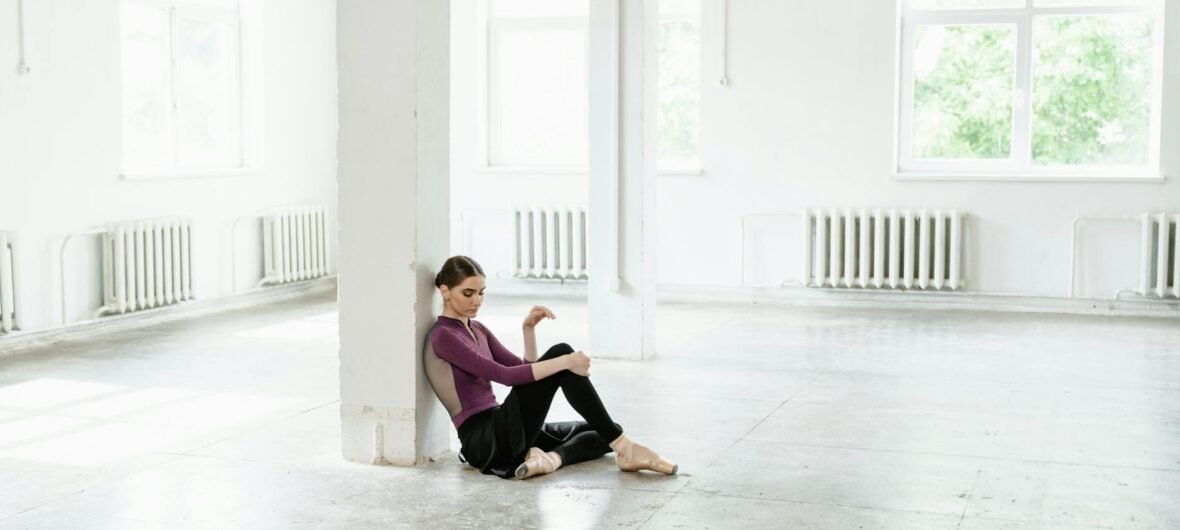
Why Dance Warm-Up Shoes and Booties Actually Matter
If you’ve ever rushed into rehearsal cold, skipped your warm-up, or danced barefoot on a chilly studio floor, you already know the consequences — tight muscles, sore arches, and that nagging feeling in your Achilles that just won’t quit. Finding the best dance warm-up shoes and booties to protect your feet isn’t about being precious about your gear. It’s about dancing smarter, staying injury-free, and keeping your body ready to perform at its best.
Whether you’re a beginner just finding your rhythm or an intermediate dancer pushing into more challenging choreography, the right warm-up footwear can make a real difference in how your feet feel before, during, and after class.
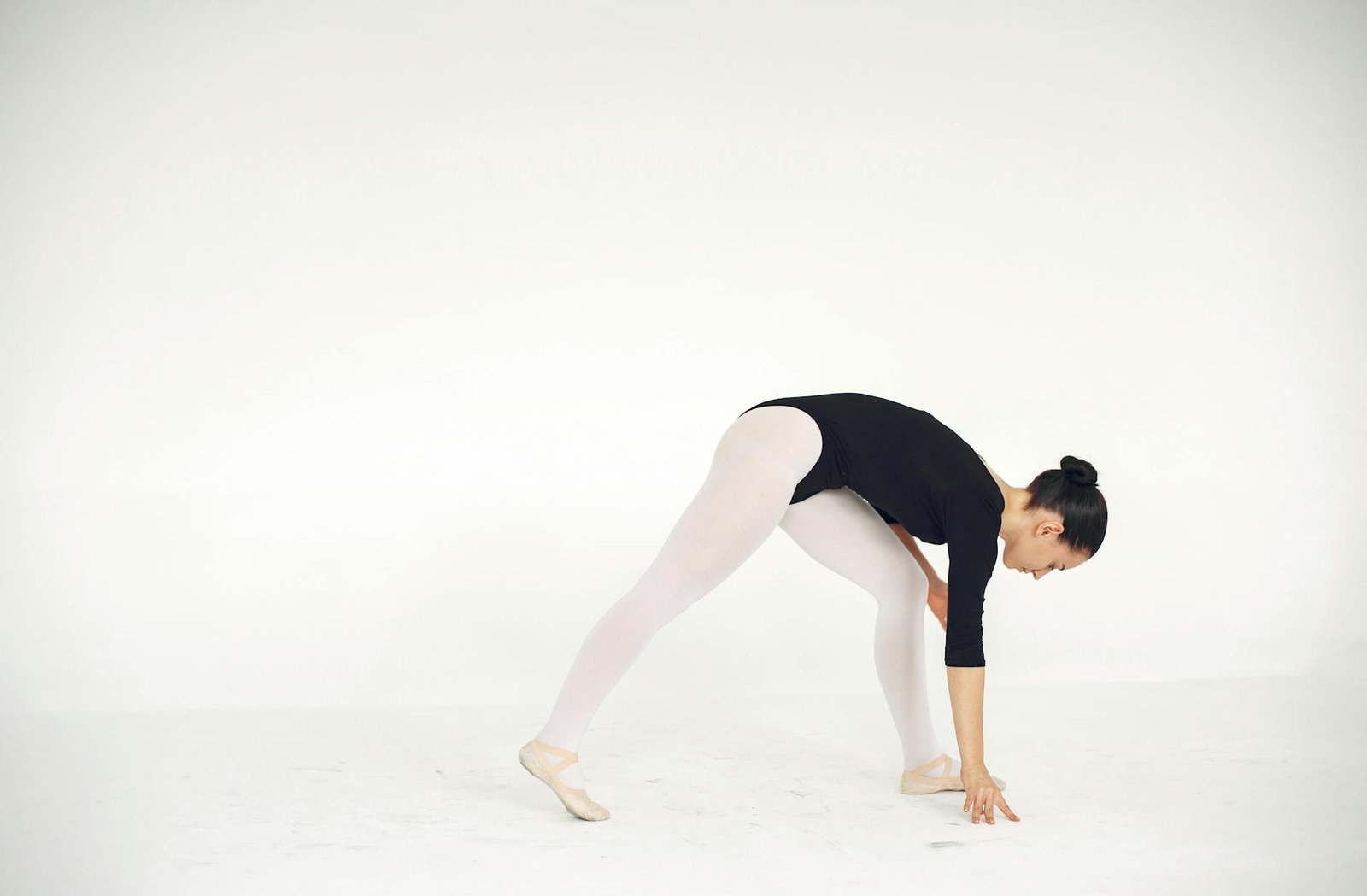
What Are Dance Warm-Up Shoes and Booties?
Dance warm-up shoes and booties are soft, flexible footwear designed to be worn before and during the early stages of class. They’re not your performance shoe — they’re your preparation shoe. Here’s what they typically offer:
- Insulation: Keeps muscles and tendons warm, reducing the risk of strains and tears.
- Light support: Protects the arch and heel without restricting the natural flex of the foot.
- Grip control: Some have suede or leather soles that allow safe turning and sliding on studio floors.
- Comfort during barre or floor work: Cushioning that doesn’t interfere with technique.
They come in two main styles: booties (ankle-length, sock-like fit) and warm-up shoes (slightly more structured, similar in profile to a jazz or split-sole sneaker).
Top Features to Look For Before You Buy
Not all warm-up shoes are created equal. Before you click “add to cart,” here are the key features worth evaluating:
1. Sole Material
A split suede sole is ideal for most dance styles — it gives you enough grip to stay safe but allows smooth turning without catching on the floor. Full leather soles are slippier, which can work for seasoned dancers but may not be ideal for beginners.
2. Upper Material
Look for breathable knit, microfiber, or neoprene uppers. These materials conform to the shape of your foot, retain heat effectively, and move with you rather than against you.
3. Fit and Stretch
Warm-up booties especially should fit snugly but never restrict circulation. A good rule of thumb: if you can’t wiggle your toes comfortably, size up.
4. Heel Coverage
Full heel coverage is important for protecting the Achilles tendon during warm-up. Dancers recovering from minor tendon irritation will find this particularly helpful.
Best Dance Warm-Up Booties: Our Top Picks
Here are some of the most trusted options on the market right now, loved by both beginners and more experienced dancers:
Capezio Leather Bootie
The Capezio Leather Bootie is a classic for good reason. With a full leather upper and suede split sole, it offers the perfect balance of warmth, flexibility, and floor feel. It’s low-profile enough to wear through barre and into the early stages of center work. Available on Amazon in a range of sizes, it’s a reliable investment for any dancer.
Bloch Warm Up Bootie
The Bloch Warm Up Bootie features a plush microfiber upper and an elasticated ankle for a secure, sock-like fit. It’s particularly popular with ballet and contemporary dancers who want minimal bulk but maximum protection. Bloch’s reputation for quality dance footwear means you can trust the construction to hold up through consistent use.
So Danca Warm-Up Bootie
If you’re working with a tighter budget, So Danca’s warm-up booties offer excellent value. The knit upper is breathable and flexible, and the suede sole is durable enough for regular studio use. Great for beginners who want to try warm-up footwear without a major commitment.
Sansha Warm Up Dance Shoe
For those who prefer something slightly more structured, the Sansha Warm Up Dance Shoe is worth considering. It looks and functions more like a traditional dance sneaker but has the insulation and sole design of a proper warm-up shoe. Works well for hip-hop, jazz, and street dance styles.
How to Use Warm-Up Shoes Correctly in Class
Buying the right shoes is only half the equation. Here’s how to get the most out of them:
- Put them on as soon as you arrive — even before you stretch. The sooner your feet are warm, the better your entire lower body will feel.
- Wear them through your full warm-up, including barre work, gentle stretches, and early floor exercises.
- Transition to your performance shoes once your body is properly warmed and you’re moving into more technical work.
- Use them for cool-down too. Post-class, slipping back into your warm-up booties while you stretch helps muscles cool down gradually and reduces post-dance soreness.
- Never wear them outside. Street dirt and moisture will damage the suede sole quickly and reduce grip on studio floors.
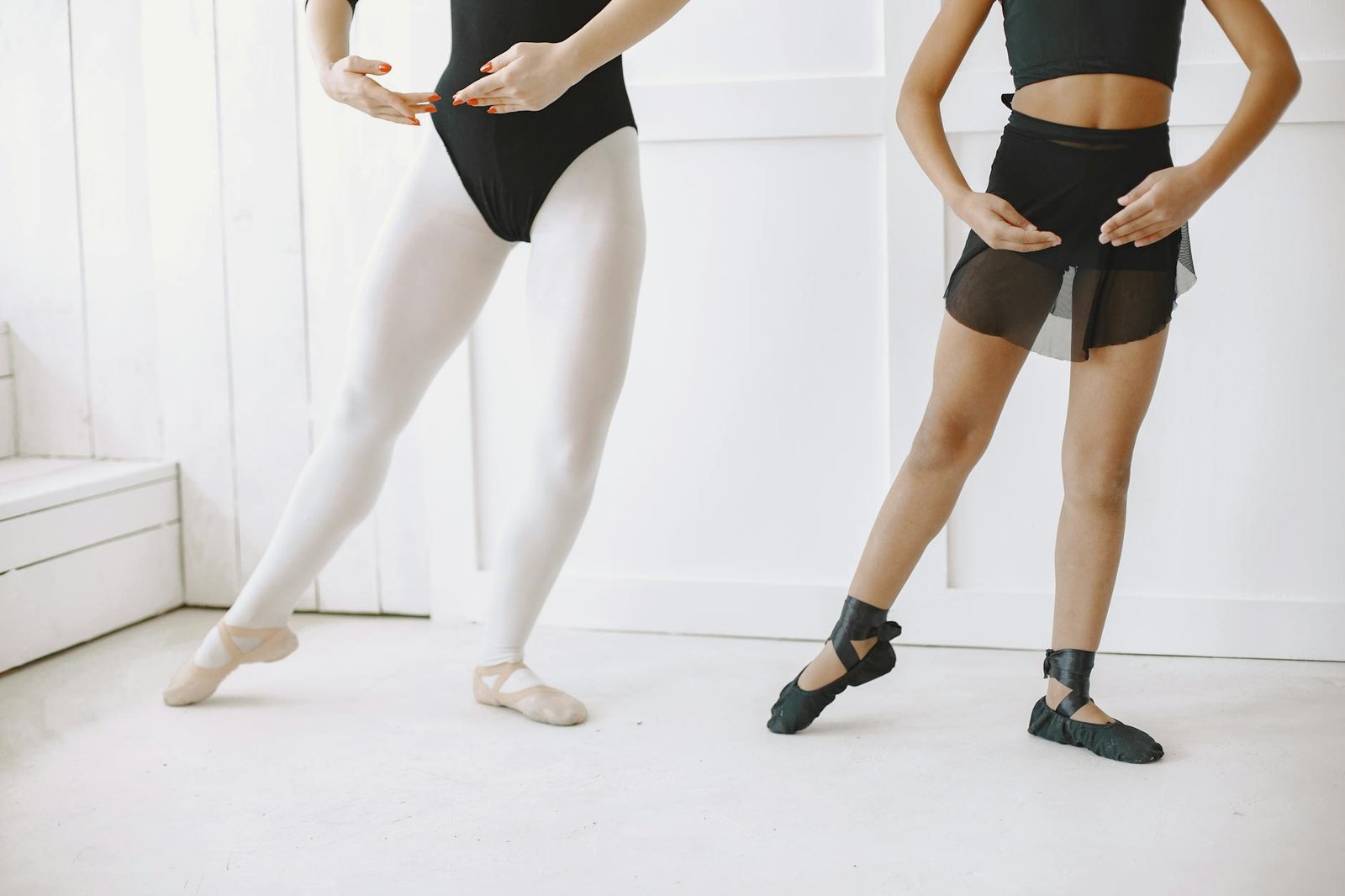
Dance Warm-Up Shoes for Specific Styles
Different dance styles have slightly different needs when it comes to warm-up footwear. Here’s a quick breakdown:
Ballet and Contemporary
Prioritize a bootie with a thin, split suede sole and full ankle coverage. You want to feel the floor clearly while still protecting those vulnerable tendons. Capezio and Bloch are the go-to brands here.
Jazz and Musical Theatre
A slightly more structured warm-up shoe works well, as jazz dancers often do more lateral movement and quick turns during warm-up. Look for a lace-up or elastic strap for added stability.
Hip-Hop and Street Dance
Warm-up sneakers with cushioned soles and good ankle support are your best friend. The Sansha style mentioned above, or even a lightweight low-top sneaker with breathable materials, can work well for this genre.
Ballroom and Latin
Ballroom dancers can benefit from warm-up booties that allow heel and toe articulation clearly — essential for footwork precision. A smooth leather sole (rather than suede) may be preferable if you’re warming up on a smooth ballroom floor.
Common Mistakes Dancers Make With Warm-Up Footwear
Even experienced dancers fall into these traps. Here’s what to avoid:
- Using regular socks as a substitute. Socks don’t provide grip or structured support, and sliding on a studio floor is a fast track to injury.
- Buying the wrong size. Warm-up booties run differently from street shoes. Always check the brand’s specific size guide before ordering online.
- Neglecting to replace worn-out soles. Once the suede sole is worn smooth, you lose the grip advantage entirely. Check your soles regularly and replace when needed.
- Treating them as performance shoes. Warm-up shoes are not designed for the demands of a full performance or intense technical drilling. They’ll wear out fast and won’t give you the support you need mid-class.
Final Thoughts: Invest in Your Feet, Invest in Your Dance
Your feet are your foundation. Whether you’re working through your first beginner jazz class or building toward a more advanced repertoire, protecting them from the very start of each session is one of the smartest habits you can build. The best dance warm-up shoes and booties to protect your feet don’t have to break the bank — but they do need to be the right fit for your body, your style, and your studio floor.
Start with a trusted brand like Capezio, Bloch, or So Danca, wear them consistently from warm-up to cool-down, and treat them with care. Your feet — and your future self — will thank you.
Ready to find your perfect pair? Browse our curated selection of dance warm-up shoes and booties on Amazon, and don’t forget to leave a comment below letting us know which style works best for you. We’d love to hear from fellow dancers!