
A ballet skirt is one of the most expressive garments a dancer owns. From flowing romantic tutus to structured classical skirts, the right style enhances technique visibility, flatters every body type, and makes class feel special. This roundup covers seven of the best ballet skirts available — ranging from wrap styles and A-lines to chiffon overlays — to suit every dancer’s aesthetic and occasion.
Quick Comparison
| Product | Style | Rating | Best For | Price |
|---|---|---|---|---|
| Capezio Wrap Skirt | Classic adjustable wrap in chiffon | ⭐ 4.5/5 | Daily class use | Check Price |
| Bloch A-Line Skirt | Structured A-line in stretch fabric | ⭐ 4.6/5 | Rehearsals & class | Check Price |
| Mirella Basic Skirt | Simple pull-on skirt for beginners | ⭐ 4.4/5 | Beginner students | Check Price |
| Capezio Asymmetrical | Asymmetric hem for dynamic look | ⭐ 4.5/5 | Performance & recitals | Check Price |
| Body Wrappers Ruffle | Multi-layer ruffle chiffon skirt | ⭐ 4.4/5 | Stage performances | Check Price |
| Weissman Romantic | Romantic length tutu-style skirt | ⭐ 4.5/5 | Classical ballet | Check Price |
| Natalie Dancewear | Lightweight chiffon pull-on | ⭐ 4.3/5 | Young dancers | Check Price |
1. Capezio Wrap Skirt
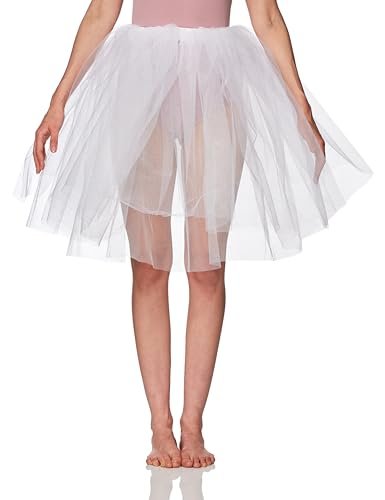
The Capezio Wrap Skirt is a ballet class staple trusted by studios worldwide. Its adjustable wrap design ties at the waist to fit a range of body types perfectly, and the flowing chiffon fabric drapes elegantly during extensions and arabesques. The skirt is lightweight enough to move with the dancer rather than against her, and its classic silhouette works for RAD, ABT, and open technique classes alike. Available in multiple colors to match any studio dress code.
Key Features
- Adjustable wrap ties for customizable fit
- Flowing chiffon fabric for elegant drape
- Lightweight — moves freely with the dancer
- Available in multiple colors and sizes
- Trusted by dance studios worldwide
Pros
- Fits a wide range of body types with the wrap design
- Classic style suits any technique class
- Affordable price for a daily class garment
Cons
- Ties may loosen during vigorous movement
- Chiffon wrinkles easily — store carefully
2. Bloch A-Line Ballet Skirt
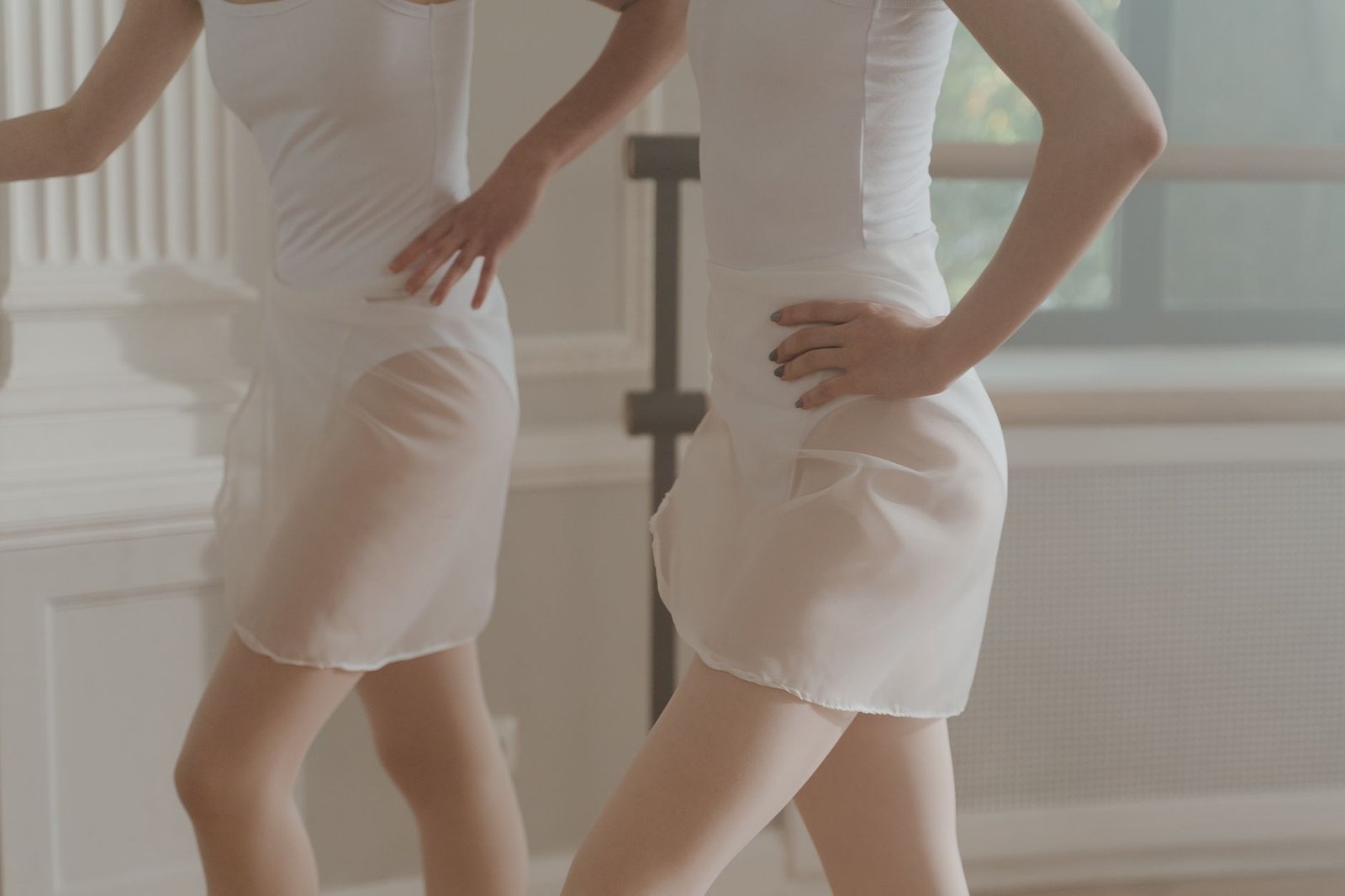
The Bloch A-Line Ballet Skirt offers more structure than a wrap skirt, providing a clean, tailored silhouette that flatters all body types. Its stretch fabric construction allows full range of motion while maintaining the skirt’s A-line shape throughout class. The elasticized waist sits comfortably without digging, and the hemline falls at the upper thigh to show leg lines clearly — ideal for teachers observing technique.
Key Features
- Structured A-line silhouette in stretch fabric
- Elasticized waist for comfort during movement
- Hemline cut to reveal leg lines clearly
- Maintains shape through class and rehearsal
- Bloch quality construction for durability
Pros
- Clean, flattering silhouette for all body types
- Stretch fabric allows unrestricted movement
- Maintains shape without constant adjustment
Cons
- Less flowing aesthetic than chiffon alternatives
- Less size flexibility than wrap styles
3. Mirella Basic Pull-On Skirt
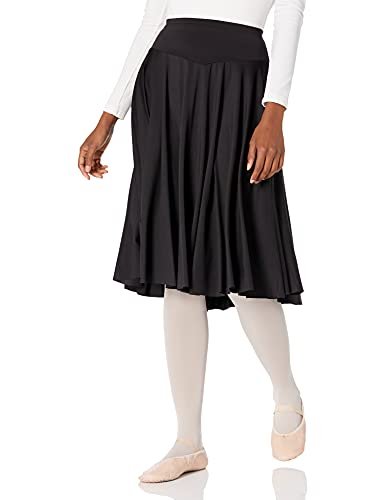
The Mirella Basic Pull-On Skirt is the perfect first ballet skirt for younger or beginning dancers. Its simple pull-on design requires no tying or adjusting, getting students ready for class faster. The soft, lightweight fabric flows beautifully during movement, and the simple elastic waist is comfortable for young dancers through long class sessions. Mirella’s quality assurance ensures the skirt holds up to repeated washing without losing its shape.
Key Features
- Simple pull-on design with elastic waist
- Lightweight flowing fabric for easy movement
- Easy for young dancers to put on independently
- Machine washable and durable
- Available in classic ballet pink and other colors
Pros
- Quick and easy for young students to manage
- Reliable Mirella quality at a reasonable price
- Holds shape after repeated washing
Cons
- Less adjustability than wrap styles
- Simpler aesthetic compared to performance skirts
4. Capezio Asymmetrical Ballet Skirt
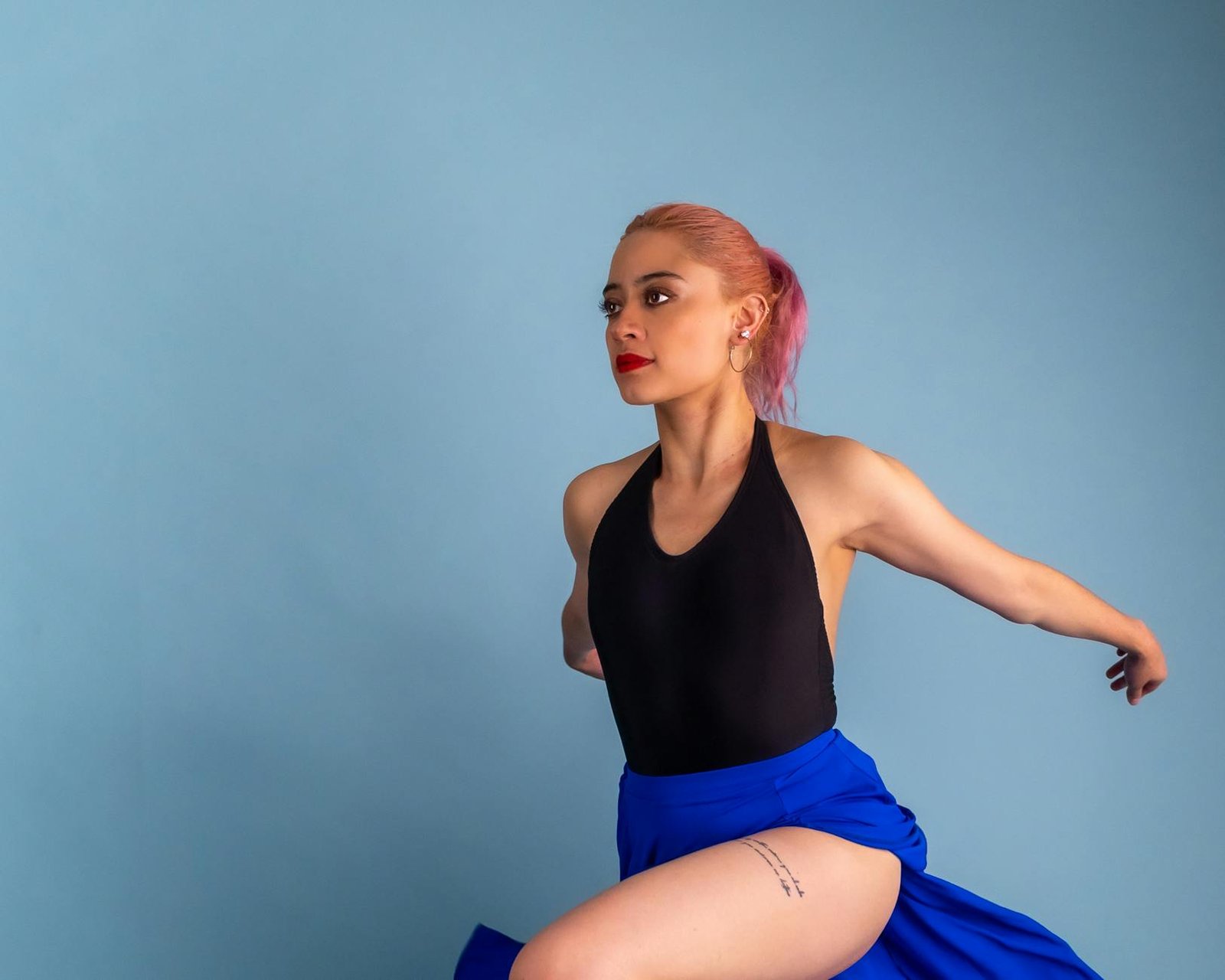
For dancers who want their class attire to make a statement, the Capezio Asymmetrical Skirt delivers contemporary style without sacrificing technique visibility. The asymmetric hemline creates a dynamic visual effect during movement, particularly during turns and extensions, while the slightly longer back maintains modesty. The lightweight chiffon-blend fabric flows in all directions, and the internal tie waist keeps the skirt securely in place.
Key Features
- Asymmetric hemline for contemporary visual effect
- Internal tie waist for secure fit
- Lightweight chiffon-blend fabric
- Dynamic drape during turns and extensions
- Longer back hem for added coverage
Pros
- Contemporary style that stands out in class
- Dynamic look during movement
- Internal tie stays hidden and secure
Cons
- Asymmetric style not permitted in all studio dress codes
- May require alterations for perfect fit on some body types
5. Body Wrappers Ruffle Chiffon Skirt
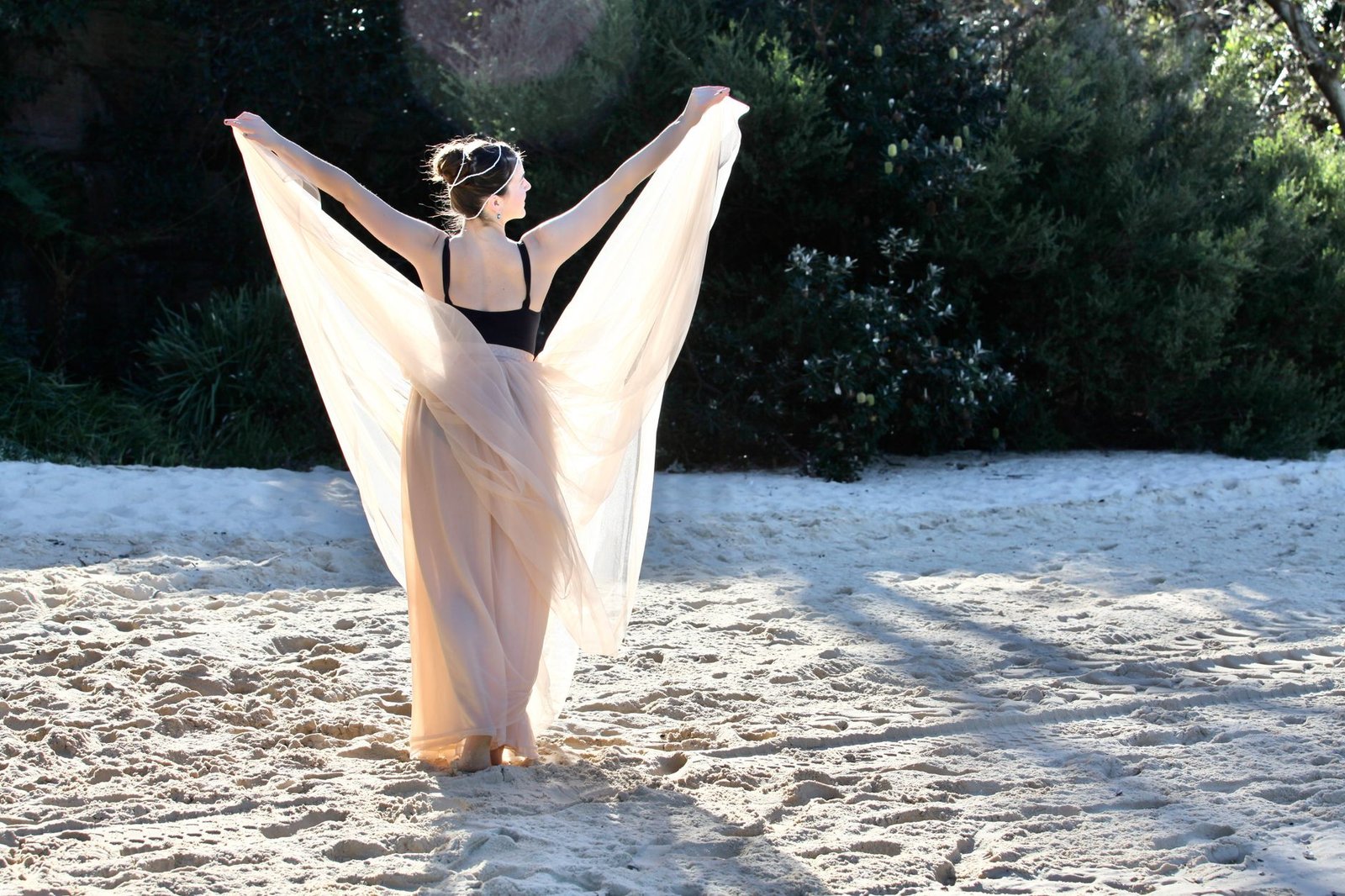
The Body Wrappers Ruffle Chiffon Skirt brings theatrical elegance to class and rehearsal wear. Multiple layers of ultra-lightweight chiffon create volume and movement that looks stunning during grand allegro combinations and performance run-throughs. The ruffle layers catch light and air beautifully, adding visual interest to every step. This skirt is particularly loved by students preparing for recitals who want their practice sessions to feel as special as performance day.
Key Features
- Multi-layer ruffle chiffon construction
- Ultra-lightweight for unrestricted movement
- Elastic waist for comfortable fit
- Theatrical visual impact for class and rehearsal
- Available in multiple colors
Pros
- Stunning visual movement during grand allegro and turns
- Builds stage confidence in rehearsal settings
- Lightweight despite the full silhouette
Cons
- Layers may tangle if not stored carefully
- More volume than some studio dress codes allow
6. Weissman Romantic Length Tutu Skirt
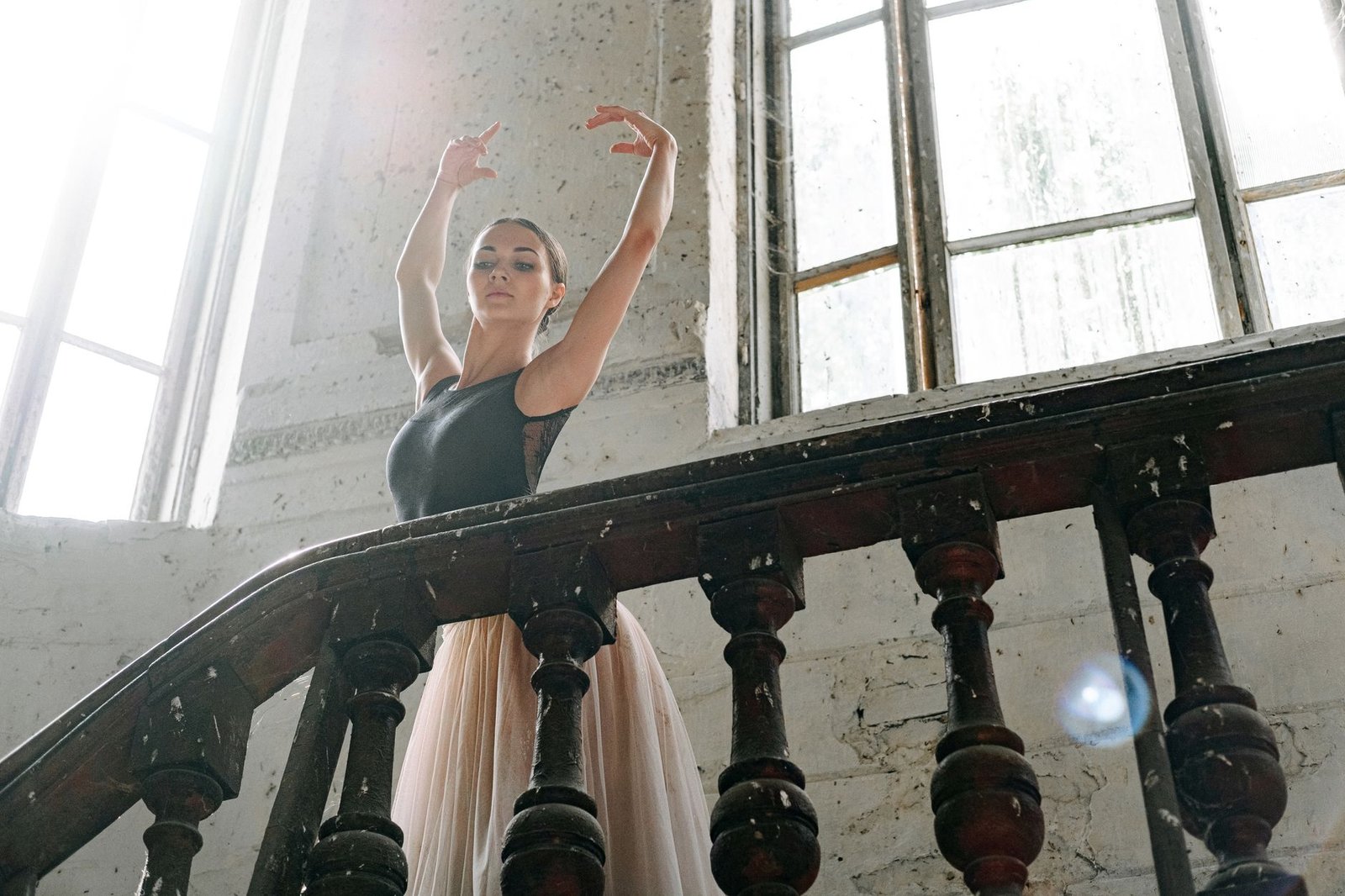
The Weissman Romantic Length Skirt evokes the elegance of classical Romantic-era ballet with its floor-length chiffon layers. This style is typically reserved for performance and formal presentations, though many advanced students wear it for Russian-style classes and rehearsals. The full, flowing length creates breathtaking visual lines during slow adagio work and grand sweeping movements. A truly special garment for dancers who love the classical aesthetic.
Key Features
- Floor-length romantic silhouette
- Multiple chiffon layers for volume and flow
- Elastic waist for comfortable fit
- Performance-quality construction
- Available in classic ballet colors
Pros
- Breathtaking stage presence for classical performances
- Authentic romantic-era aesthetic
- Builds artistry and expression in rehearsal
Cons
- Length restricts some technique visibility
- Not practical for everyday class use
7. Natalie Dancewear Chiffon Pull-On Skirt
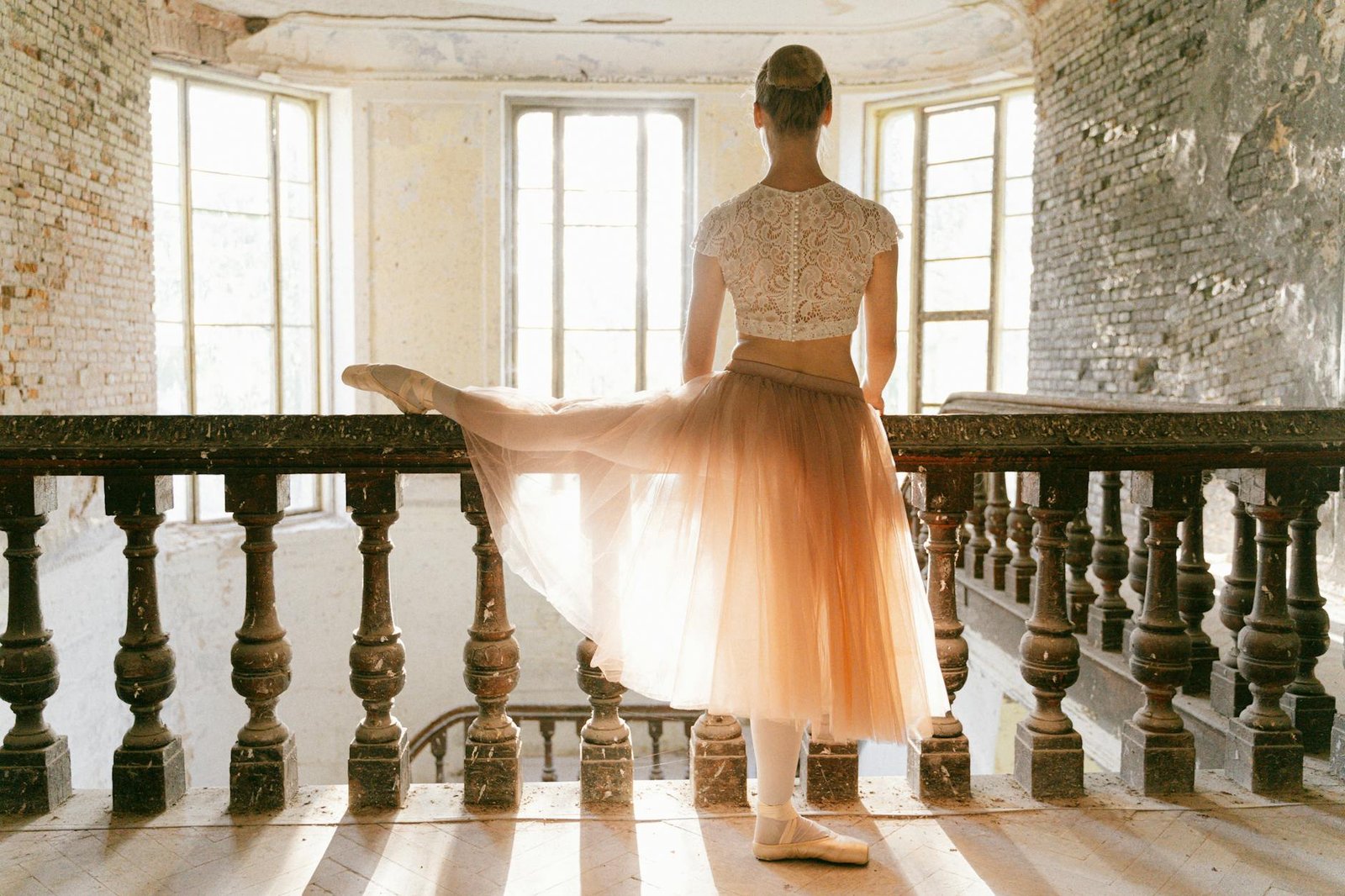
The Natalie Dancewear Chiffon Skirt is a lightweight, affordable option ideally suited for younger dancers just beginning their ballet journey. Its simple pull-on design and soft elastic waist make it easy to put on and take off independently, while the flowing chiffon fabric introduces young students to the graceful movement aesthetic of ballet attire. Machine washable construction makes it parent-approved for regular class use.
Key Features
- Pull-on design with soft elastic waist
- Flowing chiffon for graceful movement
- Machine washable and easy to care for
- Lightweight and comfortable for young dancers
- Available in multiple classic ballet colors
Pros
- Perfect for young beginners learning independence
- Machine washable — easy for parents
- Affordable price for a growing dancer’s wardrobe
Cons
- Less refined construction than professional brands
- Elastic waist may stretch with extended wear
You might also like:
Buying Guide: How to Choose Ballet Skirts for Class and Performance
Length and Style for Different Occasions
Ballet skirt length is determined primarily by the occasion and technique context. Short skirts (above the knee or just at the knee) are standard class wear — they show leg and hip alignment clearly without impeding movement or restricting the teacher’s view. Romantic-length skirts (below the knee to floor) are worn for specific character roles, waltz class, or as performance costume elements. A-line and handkerchief hemlines drape differently in motion — A-lines maintain their shape during turns, while handkerchief and asymmetric hems create dramatic visual effects. Choose based on what the skirt is actually for.
Fabric Type and Movement Quality
Chiffon is the classic ballet skirt fabric — it flows beautifully in extensions and arabesques, catches light on stage, and drapes in ways that enhance rather than conceal leg line. Stretch mesh provides a more structured look and greater coverage without sacrificing visibility of leg movement. Printed fabrics add visual interest but may clash with studio dress codes that require solid colors. Test any potential fabric by checking how it behaves in movement: does it catch and drop beautifully on an arabesque, or does it bunch and stick? This single test reveals the true quality of the fabric selection.
Waistband and Closure Type
Wrap ties are the most popular ballet skirt closure because they adjust to fit a range of hip sizes and can be removed with one hand mid-class. Elasticized waistbands provide consistent fit but must be correctly sized — too tight creates discomfort during deep plié, too loose sags below the hip. Pull-on styles with wide elastic are the most comfortable for young or beginning dancers who need simplicity. For performance skirts, a hook-and-eye or concealed zipper closure provides a cleaner visual line than wrap ties, which can work loose during intensive choreography.
Color and Studio Dress Code Compliance
Many classical ballet academies prescribe specific skirt colors for different levels — pink, lavender, or white for younger students; black or specific house colors for advanced levels. Always confirm studio dress code requirements before purchasing. Skirts for open class or performance have no such restrictions. For performance, consider how the skirt color interacts with stage lighting — bright white appears very blue under cool stage lighting, while cream or ivory is more flattering. Black skirts are versatile for class and staging that requires neutral color.
Frequently Asked Questions
Q: What type of ballet skirt is best for class?
A: A short wrap-tie chiffon skirt in the studio’s required color (or black for open classes) is the universal class standard. The wrap tie provides adjustable fit, the short length allows teacher assessment of hip and leg alignment, and chiffon’s lightweight drape does not impede movement. Avoid floor-length or heavily structured skirts for regular class use — they are appropriate for specific character classes or performance, not daily training.
Q: Can I wear a ballet skirt for contemporary or modern dance?
A: Short chiffon or lightweight mesh skirts work well for contemporary and lyrical classes where flowing fabric enhances the visual quality of the movement. Avoid structured or heavy skirts that restrict the grounded, floor-connected movement typical of modern dance. Many contemporary dancers prefer a long skirt or sarong-style wrap for classes emphasizing floorwork. The guideline is: wear what enhances the specific movement vocabulary of the class, not what is standard for another style.
Q: How do I keep a ballet skirt from twisting or shifting during class?
A: Wrap skirts tied at a consistent tension (snug but not tight) stay in place better than loosely tied wraps. Tucking the tie knot slightly inside the waistband prevents the tail from catching in movements. For pull-on styles that rotate, a line of non-slip elastic sewn inside the waistband prevents twisting. Longer skirts that extend past the hip benefit from a small safety pin securing the wrap at the hip point to prevent opening during grand battements.
Q: What is the correct way to wash a chiffon ballet skirt?
A: Hand wash chiffon in cool water with a gentle detergent or lingerie wash. Never wring or twist chiffon — gently press water out between your palms and roll in a clean towel to remove excess moisture. Air dry on a padded hanger or flat on a towel. Machine washing damages chiffon’s delicate fibers, causing permanent texture change and hem fraying. A weekly gentle hand wash maintains both hygiene and fabric quality for the life of the skirt.
Q: At what level do ballet students start wearing skirts in class?
A: This varies significantly by school and academy. Many studios introduce optional skirts at the intermediate level (roughly age 10–12 for students who started young). Some conservatories prohibit skirts entirely in academic levels, preferring that teachers see the full body line without fabric. RAD syllabi have specific dress requirements by grade. Check your studio’s exact progression policy — wearing a skirt before your level is permitted in some studios can result in being asked to remove it.
Q: What ballet skirt length is appropriate for a recital?
A: Recital skirt length is determined by the costume design and choreography. Classical variations typically use a romantic tutu (mid-calf) or classical pancake tutu (at hip level). Character pieces use mid-length full skirts. Contemporary works may use any length. For studio recitals without prescribed costumes, a short chiffon skirt (mid-thigh) is versatile across most program styles and shows leg work clearly under stage lighting.
Final Thoughts
The right ballet skirt transforms how a dancer feels in class, making every combination feel more expressive and purposeful. For everyday class use, the Capezio Wrap Skirt and Bloch A-Line are unbeatable workhorses. For performance and special occasions, the Weissman Romantic or Body Wrappers Ruffle provide theatrical elegance. Whatever style you choose, wearing a beautiful skirt is a small but powerful reminder of why dance is worth every hour of practice.