
What Exactly Is Zumba — And Why Is Everyone Obsessed With It?
If you’ve been scrolling through fitness content lately and keep seeing people dancing their hearts out to infectious Latin beats, chances are you’ve stumbled across a Zumba class. But this Zumba class guide is here to answer the big question: what should you expect as a complete beginner? Whether you’ve never taken a dance fitness class in your life or you’re just nervous about looking silly, we’ve got you covered with everything you need to walk in confident and leave absolutely hooked.
Zumba is a dance fitness program created in the 1990s by Colombian dancer and choreographer Alberto “Beto” Perez. It blends high-energy Latin rhythms — think salsa, merengue, reggaeton, and cumbia — with easy-to-follow aerobic movements. The result? A calorie-burning workout that honestly doesn’t feel like exercise at all. That’s the secret sauce, and it’s why over 15 million people take Zumba classes every week across 180 countries.
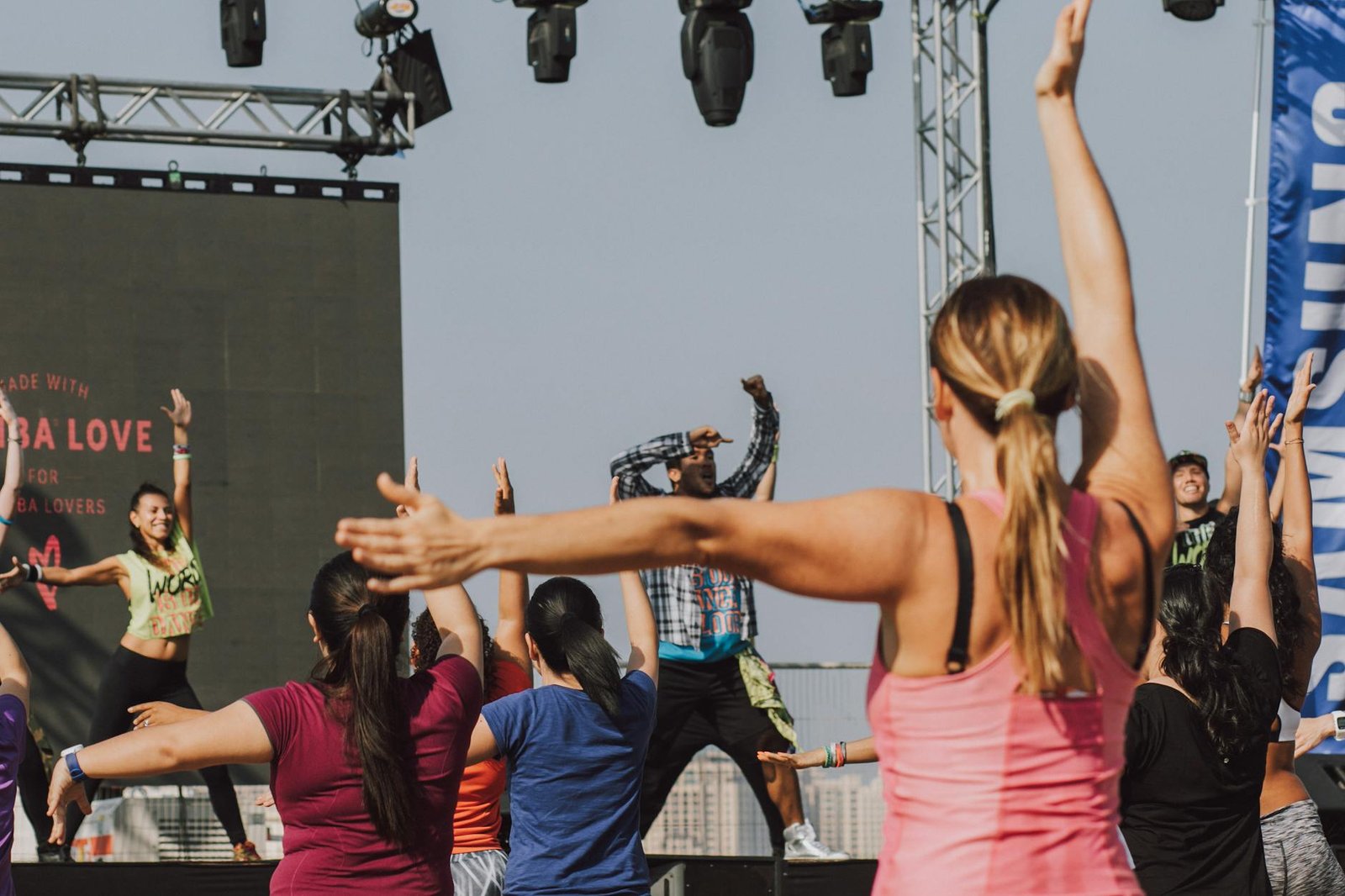
What Happens During a Typical Zumba Class
Walking into your first Zumba class without knowing what to expect can feel intimidating. Here’s the good news: the format is refreshingly simple and welcoming.
- Warm-up (5–10 minutes): The instructor starts with slower-tempo songs to get your blood flowing and loosen up your joints. This is your chance to get a feel for the style without pressure.
- Main workout (35–45 minutes): This is where the magic happens. You’ll cycle through upbeat songs with choreography that mixes squats, hip rolls, arm movements, and footwork. Routines repeat within each song, so you’ll catch on faster than you think.
- Cool-down (5–10 minutes): The instructor winds things down with slower music and stretching to bring your heart rate back to normal.
A standard class runs about 60 minutes total. You do not need to know how to dance. Instructors design routines to be easy to follow, and most movements are introduced gradually. If you miss a step, just keep moving — nobody is watching you as closely as you think.
What to Wear: Gear That Makes a Difference
Your outfit choices can genuinely impact how much you enjoy your first class. Here’s a practical breakdown of what to wear:
Footwear
This is the most important gear decision you’ll make. Running shoes have too much grip and can cause knee strain when you’re pivoting and turning. Instead, look for dance sneakers or cross-training shoes with a smooth, pivot-friendly sole. The Ryka Influence Cross-Training Shoe (available on Amazon) is a fan favorite in Zumba communities for its flexible sole and lateral support. Zumba also sells their own branded footwear line if you want something purpose-built for the workout.
Clothing
Go for moisture-wicking, breathable fabrics. Fitted leggings paired with a lightweight tank top are the go-to choice for most Zumba regulars. Avoid anything too loose that could snag or get in the way when you’re shaking your hips. Brands like Nike Dri-FIT and Amazon Essentials activewear offer affordable, quality options that hold up well to high-energy movement.
Accessories
Bring a small towel (you will sweat), a water bottle, and optionally a Zumba fitness belt — the colorful hip scarves you’ve probably seen in class photos. They’re not required, but they’re a fun way to lean into the vibe and they add visual emphasis to your hip movements. You can find affordable versions on Amazon for under $15.
How to Prepare for Your First Class (So You’re Not Overwhelmed)
A little preparation goes a long way toward making your first experience positive rather than stressful.
- Arrive 10–15 minutes early. Introduce yourself to the instructor and let them know it’s your first class. A good Zumba instructor will keep an eye on you and offer encouragement throughout.
- Position yourself strategically. Don’t hide in the back corner. Standing in the middle or slightly toward the front gives you a clear view of the instructor without feeling like you’re on stage.
- Watch the feet first, arms second. When a new song starts, focus on matching the footwork before you worry about your arms. Once your feet know what they’re doing, your arms will naturally follow.
- Hydrate before you arrive. You’ll be too busy having fun to take long water breaks mid-class, so start hydrated.
- Eat a light snack 60–90 minutes before. A banana with peanut butter or a handful of almonds gives you sustained energy without feeling heavy during class.
Common Beginner Mistakes (And How to Avoid Them)
Everyone makes these mistakes their first few times. Knowing about them in advance puts you one step ahead.
Trying to Perfect Every Move Immediately
Zumba is not a performance. There are no judges. If you spend the whole class worried about whether your merengue hip action looks right, you’ll miss the actual workout — and the fun. Give yourself a solid three to four classes before expecting to feel coordinated. It genuinely gets easier with each session.
Overexerting in the First Class
The energy in a Zumba class is contagious, and it’s easy to push too hard right out of the gate. Pace yourself. If you need to step down the intensity by doing smaller movements or marching in place during a recovery moment, that’s completely acceptable and smart.
Skipping the Cool-Down
It’s tempting to grab your bag and leave when the last big song wraps up, but the cool-down is genuinely valuable. It reduces muscle soreness and helps your cardiovascular system recover properly. Stick around for those final stretches — your body will thank you the next morning.
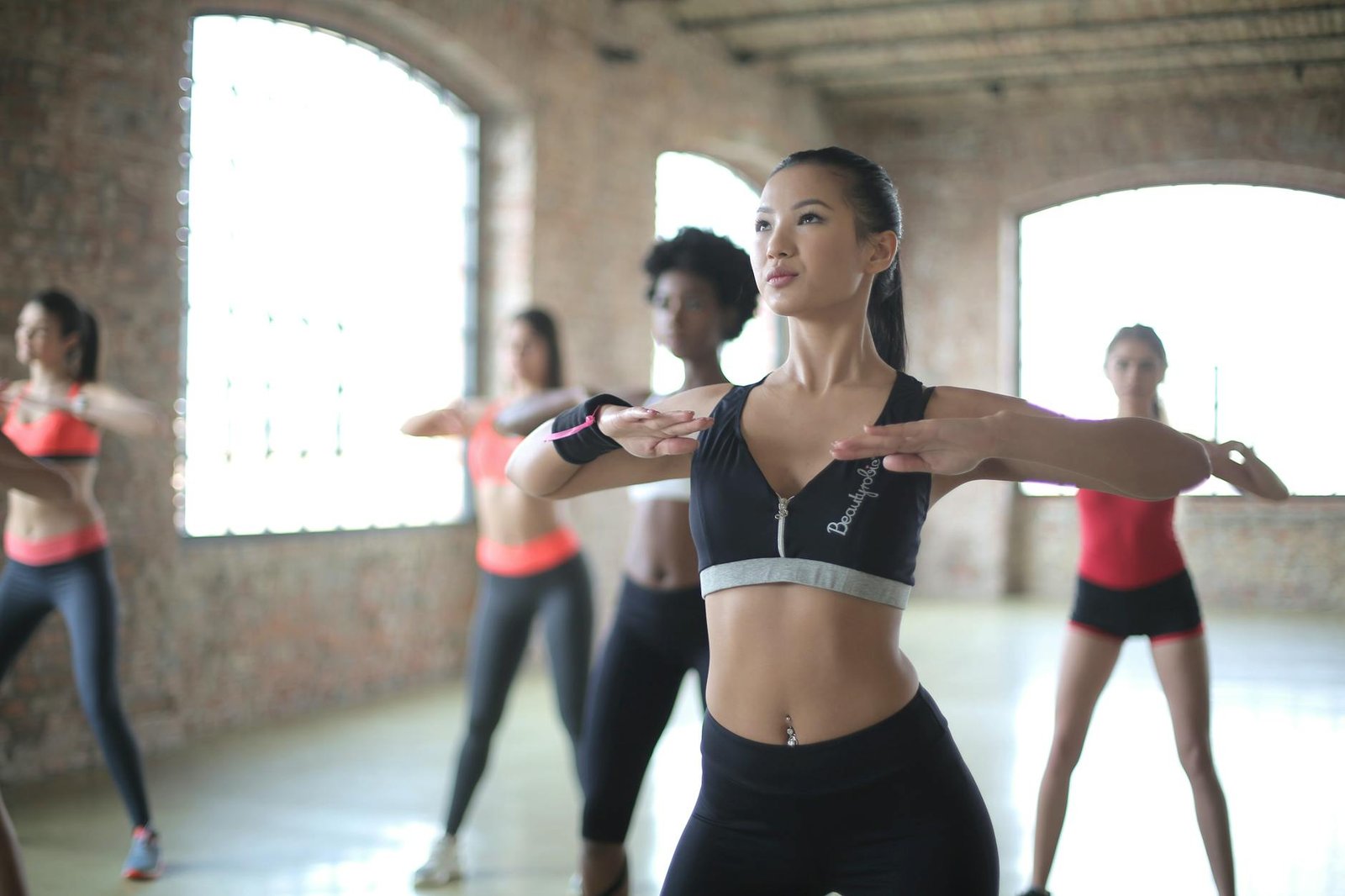
What Kind of Results Can You Expect from Regular Zumba Classes?
Zumba is legitimately effective as a fitness tool when practiced consistently. Here’s what regular attendance — roughly two to three classes per week — can do for you:
- Cardiovascular fitness: A single class burns between 300–600 calories depending on your intensity level and body weight, making it excellent for heart health and endurance.
- Coordination and rhythm: Even people who swear they “have no rhythm” report significant improvements after just a few weeks of Zumba. The repetitive nature of the routines genuinely trains your brain-body connection.
- Core strength: All those hip movements and lateral shifts engage your core constantly, even when it doesn’t feel like a core workout.
- Mood and mental health: The combination of music, movement, and group energy makes Zumba one of the most mood-boosting workouts available. Many participants describe it as genuinely therapeutic.
- Social connection: Zumba classes build community. Many regulars cite their class friendships as one of the biggest reasons they keep coming back.
Finding the Right Zumba Class for Your Level
Not all Zumba classes are created equal, and finding the right fit matters more than most beginners realize.
Zumba Gold is specifically designed for older adults or those with lower fitness levels — the pace is slightly slower and the movements are more joint-friendly. If you’re returning to fitness after a long break or dealing with any physical limitations, this is a smart starting point.
Aqua Zumba takes the party into the pool, making it a low-impact option that’s easier on the knees and hips while still delivering a great cardio workout.
Standard Zumba Fitness classes vary widely by instructor style, so don’t be discouraged if your first instructor doesn’t click with you. Try two or three different instructors before deciding whether the format is right for you. Many gyms and studios offer a free first class, so take advantage of that whenever possible.
You can also explore Zumba from home through the Zumba app or virtual classes on platforms like YouTube — search for certified Zumba instructors with strong review counts for the best experience.
Your First Zumba Class Is Closer Than You Think — Go For It
Here’s the honest truth about your first Zumba class: it will probably be a little awkward, you’ll miss some steps, and you’ll be grinning the whole time anyway. That’s the Zumba experience, and it’s exactly why so many people become regulars after just one session. This Zumba class guide has given you everything you need to walk in prepared — the right shoes, a game plan, realistic expectations, and the knowledge that every single person in that room was once exactly where you are right now.
So find a class near you this week, grab a supportive pair of cross-trainers, and show up ready to move. Your body — and your mood — will be so glad you did. Have questions about your first class or want to share how it went? Drop a comment below, and let’s keep the conversation going!