
Why Dancing Is One of the Best Things You Can Do for Your Mind
If you’ve ever finished a dance class feeling lighter, happier, and strangely more yourself, you’re not imagining things. The benefits of dancing for mental health and confidence are real, well-researched, and genuinely life-changing — whether you’re a total beginner stepping into your first Zumba class or an intermediate dancer refining your salsa footwork.
Dancing isn’t just exercise. It’s a full-body, full-mind experience that rewires how you feel about yourself and the world around you. In this post, we’re breaking down exactly why dancing works so powerfully for your mental wellbeing, and how you can make the most of every session.
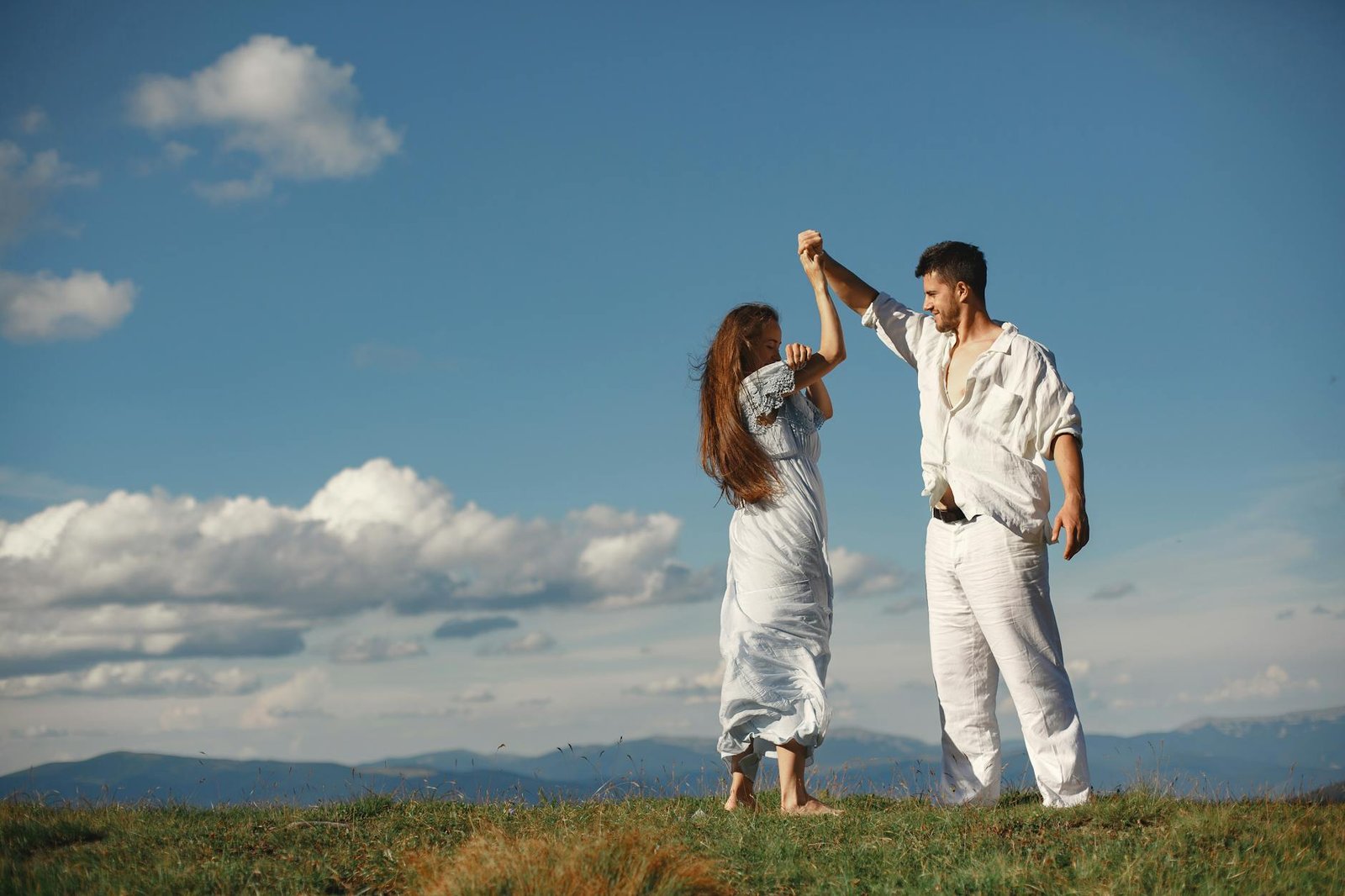
1. Dancing Floods Your Brain With Feel-Good Chemicals
Every time you move to music, your brain releases a cocktail of neurotransmitters that directly combat stress, anxiety, and depression. Here’s what’s happening under the hood:
- Dopamine surges when you nail a new move or hit a beat perfectly — it’s your brain’s reward signal.
- Serotonin levels rise through rhythmic movement and social interaction, helping regulate mood.
- Endorphins flood your system during moderate-to-vigorous dancing, producing that famous post-class euphoria.
- BDNF (Brain-Derived Neurotrophic Factor) increases with aerobic dance, which literally helps grow new brain cells and improve memory.
A landmark study published in the New England Journal of Medicine found that dancing was one of the most effective leisure activities for reducing the risk of dementia — outperforming swimming, cycling, and golf. Your brain absolutely loves to dance.
Practical tip: Even 15–20 minutes of freestyle dancing in your living room counts. Put on a playlist that energizes you and just move. No choreography required.
2. How Dancing Builds Genuine, Lasting Confidence
Confidence isn’t something you think your way into — it’s something you do your way into. Dance is one of the most powerful confidence-builders because it creates real, measurable wins on a regular basis.
Here’s how it works psychologically:
- Mastery experiences: Every time you learn a new step, your brain logs a success. Over weeks and months, these stack up into a deep, embodied sense of competence.
- Body awareness: Dancing teaches you to inhabit your body with intention and grace, which translates directly into more confident posture and presence off the dance floor.
- Performance exposure: Even dancing in front of a small class gradually desensitizes you to social anxiety and the fear of judgment.
Many dancers report that after six months of regular classes, they carry themselves differently — at work, in social situations, everywhere. That’s not a coincidence. It’s your nervous system adapting.
Practical tip: Record a short video of yourself dancing once a month. Watching your own progress is one of the fastest ways to internalize how far you’ve come.
3. Dance as a Powerful Stress Reliever and Anxiety Reducer
Stress lives in the body — tight shoulders, a clenched jaw, shallow breathing. Dance attacks stress from every direction simultaneously: it moves your body, engages your focus, connects you to music, and often surrounds you with other people.
Research from the Arts in Psychotherapy journal consistently shows that dance/movement therapy significantly reduces symptoms of anxiety and depression in both clinical and everyday populations. The mechanism is elegant: dancing requires you to be fully present. You cannot be worrying about tomorrow’s deadlines while you’re counting eight-beats and remembering your footwork. That forced presence is, in itself, a form of active mindfulness.
Tips to Maximize the Stress-Relief Benefits
- Choose styles that suit your energy — ballet and contemporary tend to be meditative, while hip-hop and Latin styles are great for releasing pent-up energy.
- Dance with headphones during solo sessions. A quality pair like the Sony WH-1000XM5 noise-cancelling headphones lets you fully immerse in music without distraction.
- Make it a consistent ritual — even twice a week creates measurable cortisol reduction over time.
4. The Social Connection Factor: You’re Not Dancing Alone
Loneliness is one of the biggest drivers of poor mental health in modern life. Group dance classes offer something genuinely rare: a structured, judgment-free environment where connection happens naturally through shared movement.
Partner dances like salsa, swing, or ballroom take this even further. The physical and rhythmic synchrony with a partner activates oxytocin — the bonding hormone — creating trust and social warmth even between strangers.
Online dance communities have expanded this further. Platforms like Steezy Studio and CLI Studios offer live virtual classes where the chat and community features replicate much of that social buzz from home.
Practical tip: If anxiety is keeping you from in-person classes, start with an online community for 4–6 weeks. Build your skills and confidence, then take that energy into a local studio. You’ll arrive feeling prepared rather than terrified.
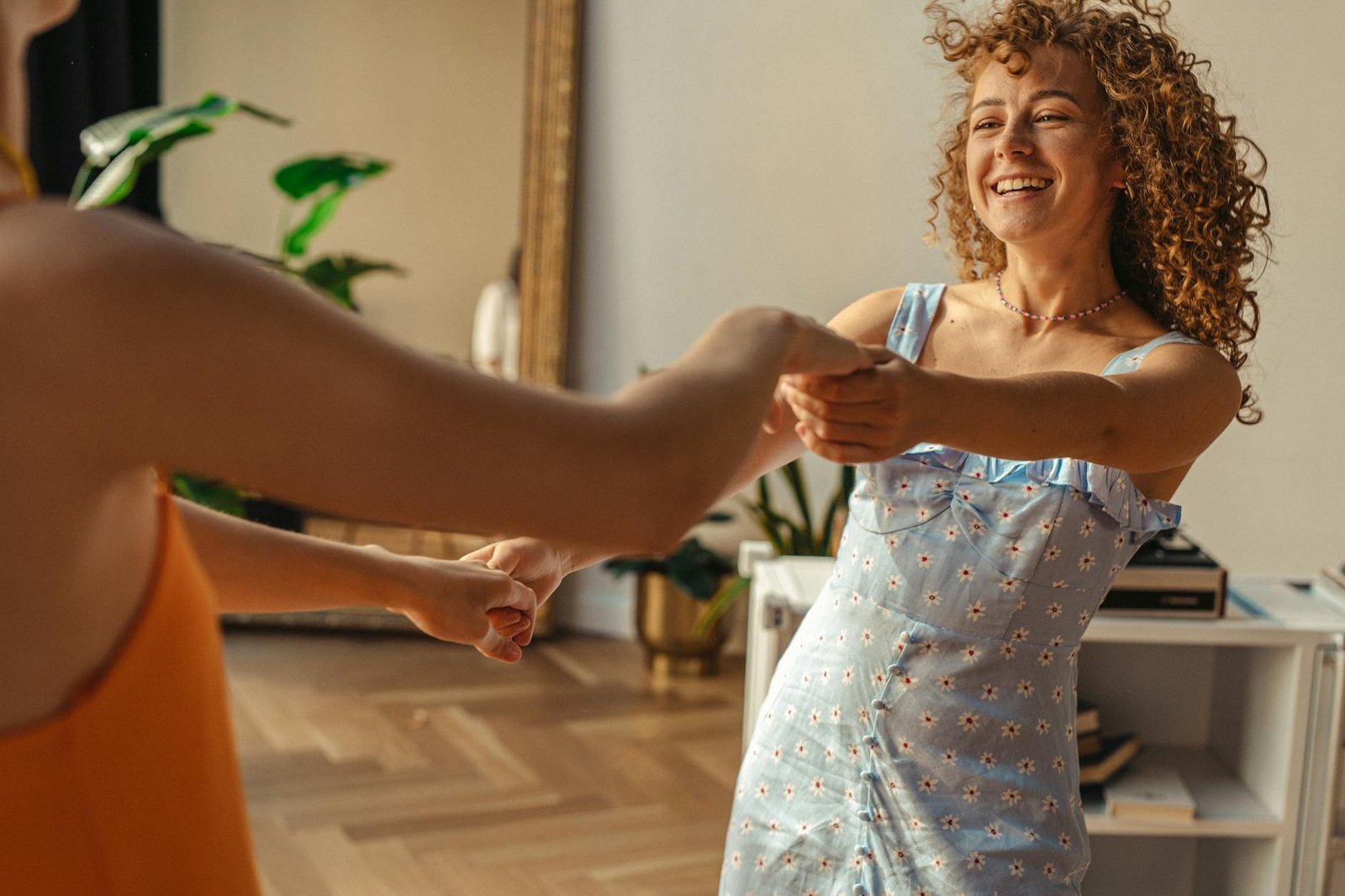
5. The Right Environment and Gear Make a Difference
Your setup matters more than you might think — not because you need expensive equipment, but because the right tools remove friction and help you commit to regular practice.
Footwear
Wearing the correct shoes protects your joints and actually makes learning easier. For studio classes, brands like Capezio and Bloch offer excellent beginner dance shoes available on Amazon — their split-sole designs dramatically improve floor feel and flexibility. For Latin or ballroom, Very Fine Dance Shoes offer great entry-level options with proper suede soles.
Home Practice Space
Clear a space of at least 6×6 feet. A portable Marley dance floor tile (available in rollable sections on Amazon) gives you proper grip and cushioning even over carpet or hardwood. This reduces injury risk and makes movement feel more fluid.
A Quality Mirror
Watching yourself dance is a genuine training accelerator. A large full-length wall mirror — or even a set of acrylic dance mirrors — lets you self-correct in real time, removing the frustrating guesswork of “am I doing this right?”
6. Building a Sustainable Dance Practice for Long-Term Mental Wellbeing
The mental health benefits of dancing compound over time — but only if you show up consistently. Here’s how to build a sustainable practice you’ll actually stick with:
- Start with style exploration: Don’t commit to one genre immediately. Try a free trial class in three different styles in your first month. You’re far more likely to stick with something you genuinely enjoy.
- Set process goals, not performance goals: “I will dance three times this week” beats “I will master the entire routine.” Process goals are within your control and create a more positive feedback loop.
- Track your mood: Keep a simple dance journal. Note how you felt before and after each session. Over weeks, the pattern becomes undeniable — and on low-motivation days, that data will get you to the dance floor.
- Rest and recover properly: Mental health benefits require a recovered nervous system. Stretch after every session, hydrate well, and invest in a quality foam roller to keep your body ready for more.
- Celebrate milestones: Finished a six-week course? Treat yourself. Performed in a showcase for the first time? That deserves recognition. These moments anchor your identity as a dancer.
Conclusion: Your First Step Starts Right Now
The benefits of dancing for mental health and confidence aren’t reserved for professional performers or naturally “gifted” movers. They’re available to every single person who is willing to put on some music and start. Science backs it. Millions of dancers have lived it. And now you have the roadmap.
Whether you roll out a Marley floor tile in your living room, sign up for a local Latin class, or finally crack open that Steezy Studio subscription you’ve been thinking about — the important thing is to begin. Your brain, your body, and your confidence are all waiting for you on the other side of that first step.
Ready to start dancing for your mental health? Drop a comment below telling us which dance style you’re most excited to try — we’d love to cheer you on. And if you found this helpful, share it with a friend who needs a little more joy in their week.