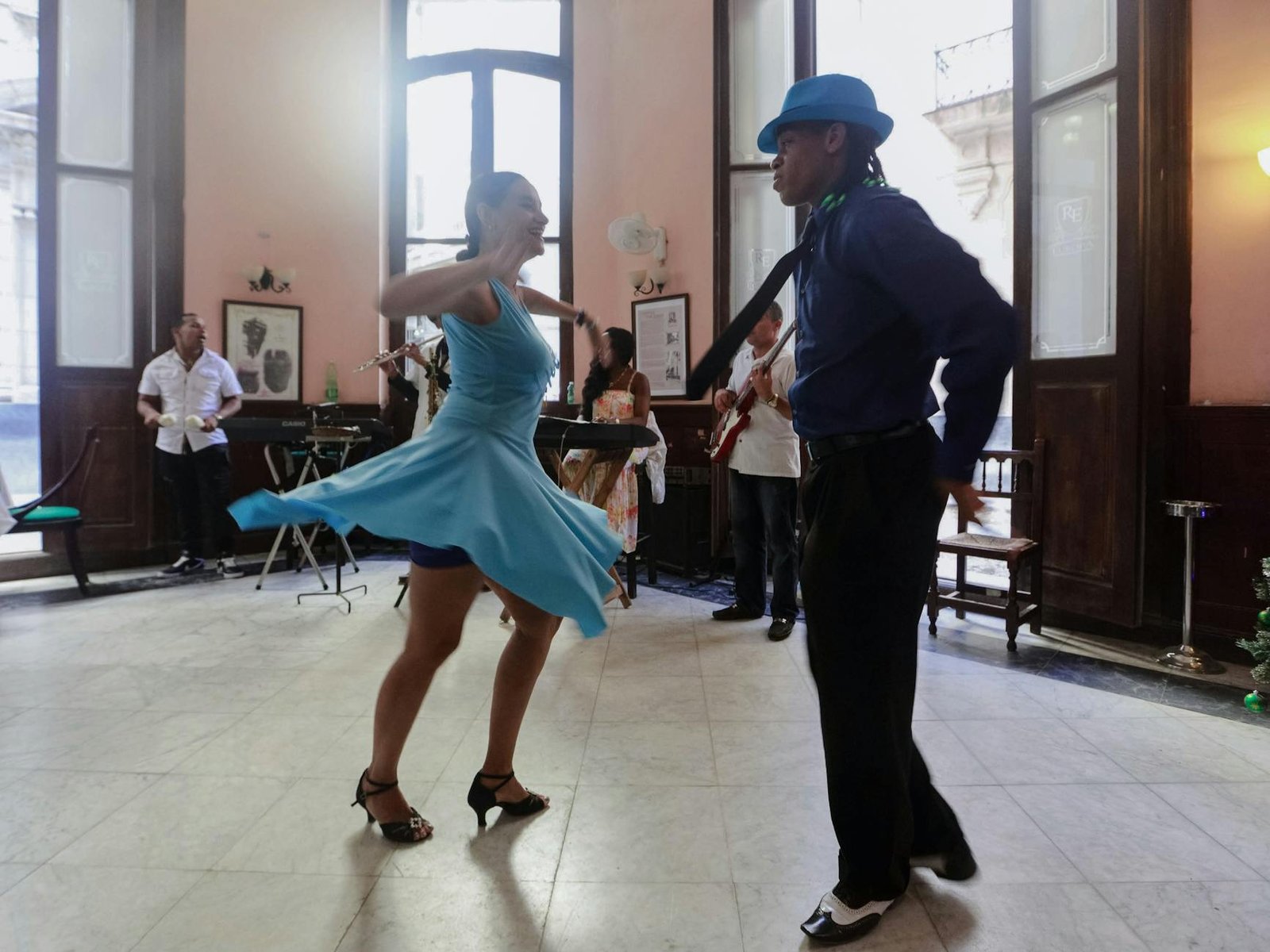
Why Swing Dance Is the Perfect Starting Point for Social Dancers
If you’ve ever watched a swing dance video and felt your foot tapping uncontrollably, you’re not alone. Swing dance for beginners — especially when comparing East Coast Swing vs Lindy Hop — can feel a little overwhelming at first. Two styles, similar roots, but very different personalities. The good news? Both are incredibly fun, deeply social, and more accessible than they look. This guide will walk you through everything you need to know to pick your first style and hit the dance floor with confidence.
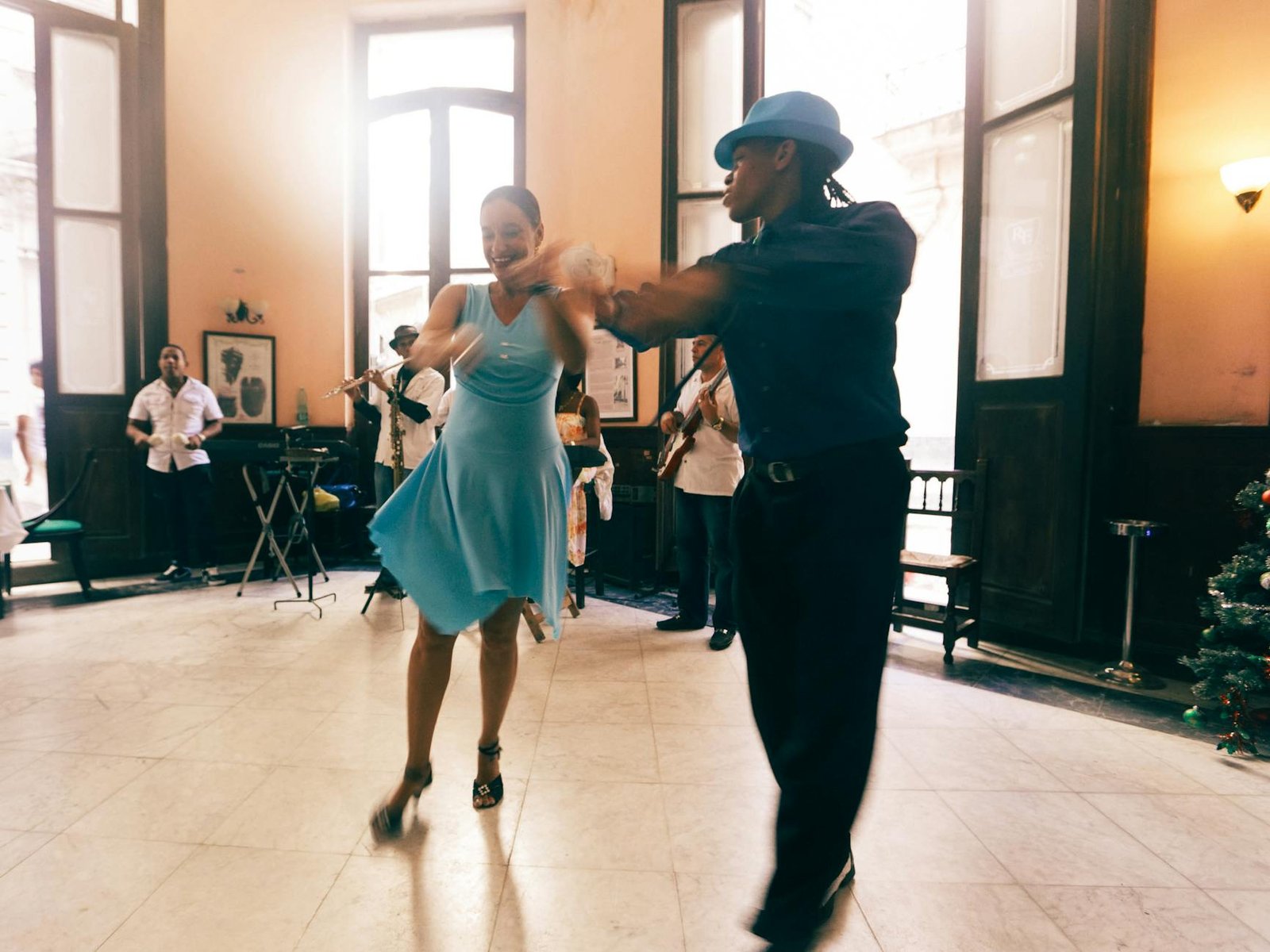
A Quick History: Where Did These Styles Come From?
Understanding the roots of each style helps you appreciate what you’re learning — and it makes you more interesting at swing dance socials, trust us.
- Lindy Hop was born in Harlem, New York, in the late 1920s. It evolved alongside jazz music at ballrooms like the Savoy, developed by African American dancers who blended Charleston, tap, and improvisational movement into something entirely new. Lindy Hop is widely considered the original swing dance.
- East Coast Swing (ECS) came later, in the 1940s, as a simplified, standardized version of Lindy Hop. Dance studios — most notably Arthur Murray — codified a structured, teachable form so that swing could spread to a mainstream audience more easily.
Both styles share the same infectious energy and connection to jazz and blues music, but they carry different spirits onto the floor.
East Coast Swing vs Lindy Hop: The Core Differences Explained
This is the big question every beginner asks, and the answer matters when you’re choosing where to spend your time and money on lessons.
Structure and Footwork
East Coast Swing is built on a consistent 6-count pattern: rock step, triple step, triple step. It’s predictable, symmetrical, and easy to count. That reliability is a huge confidence booster when you’re just starting out.
Lindy Hop primarily uses an 8-count pattern, though it flows between 6, 8, and beyond. The footwork is more complex, with swingouts (the signature Lindy move), send-outs, and Charleston variations woven into the dance. There’s also a characteristic “pulse” or bounce in the knees that takes time to develop naturally.
Connection and Frame
In East Coast Swing, the frame between partners tends to be more upright and rigid — great for beginners who are still figuring out how to lead and follow. Lindy Hop uses a more elastic, stretchy connection that allows for greater improvisation and playfulness. That elasticity is what gives Lindy its distinctive “swinging” feel, but it requires more body awareness to master.
Music and Tempo
East Coast Swing works beautifully across a wide tempo range, including slower and medium-tempo swing songs. Lindy Hop thrives at faster tempos and is built for the big band jazz sound — think Benny Goodman, Count Basie, and Ella Fitzgerald. If you’re dancing to fast, live jazz, Lindy Hop is in its element.
Which Style Should Beginners Learn First?
Here’s the honest, practical answer: start with East Coast Swing if you’re a complete beginner, but don’t be afraid to jump into Lindy Hop early if you’re drawn to it.
East Coast Swing gives you a strong foundation — timing, partnering, basic footwork — that transfers directly to Lindy Hop and many other partner dances. Most swing scenes teach ECS as an entry point for exactly this reason. You’ll be social dancing at your first event within a few weeks of lessons.
That said, if your local swing scene is heavily Lindy Hop focused, or if you’re inspired by the Lindy aesthetic, dive in. The 8-count pattern feels harder on paper than it does in a good beginner class. Many dancers find learning Lindy Hop first actually gives them a deeper musical connection from the start.
Pro tip: Check what your local swing community dances most. Showing up with skills that match the local floor makes your social dancing experience much richer right away.
Essential Gear for Swing Dancing Beginners
You don’t need much to get started, but the right shoes make an enormous difference — more than most beginners realize.
Dance Shoes
Street shoes with rubber soles grip the floor too hard and can strain your knees. You want a smooth leather or suede sole that lets you pivot and spin freely. For women, a classic T-strap or Mary Jane with a low to mid heel (around 1.5 inches) is ideal. For men, a leather oxford or jazz shoe works perfectly.
Popular beginner-friendly options available on Amazon include the Bloch Dance Women’s Annabella shoe and the Capezio Men’s K360 oxford — both offer suede soles, solid ankle support, and are priced accessibly for someone just getting started. Always check sizing reviews carefully when ordering dance shoes online.
Comfortable, Flexible Clothing
Swing dancing involves a lot of movement — spins, drops to the side, and quick direction changes. Choose clothing that moves with you. Stretchy trousers or skirts with some flare are practical and authentic to the era’s aesthetic. Avoid anything too tight in the hips or shoulders.
A Great Beginner Resource
Supplementing in-person classes with instructional videos is a smart move. Look for structured beginner series on platforms like YouTube (channels like ESDC — European Swing Dance Championships post free quality content) or invest in a curated video course on Udemy or similar platforms. Physical books like Frankie Manning: Ambassador of Lindy Hop are also wonderful for understanding the culture and history that give the dance its soul.
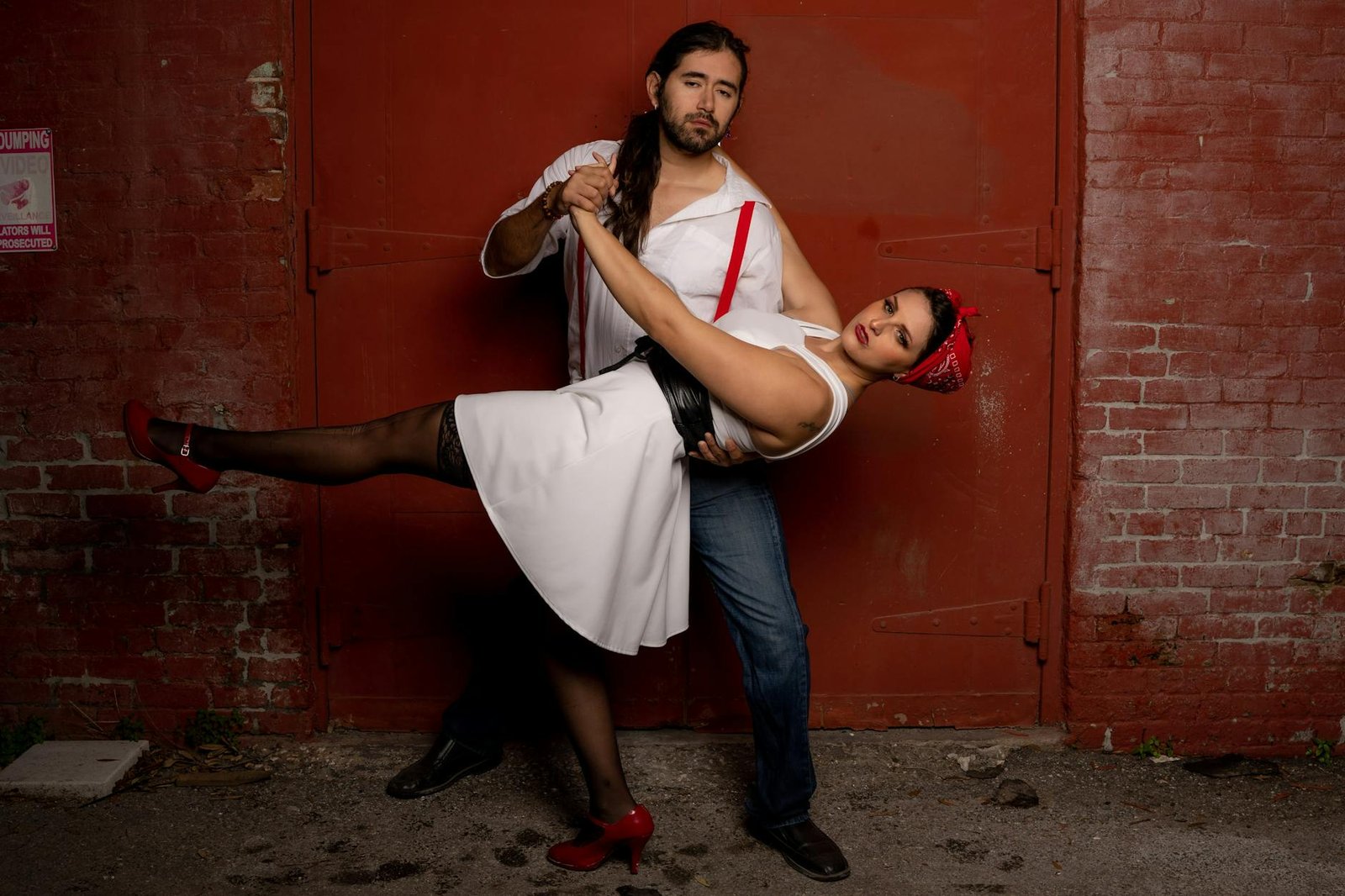
Finding Classes and Community Near You
Swing dance is fundamentally a social activity, and finding your local community is one of the most important steps you can take.
- Use Meetup.com to search for swing dance groups in your city. Most major cities have active scenes with weekly social dances (called “socials” or “jams”) and beginner-friendly drop-in classes.
- Search for local swing dance organizations. In the US, organizations affiliated with NADC (National Dance Council of America) or independent Lindy Hop clubs often host structured beginner series.
- Attend a social before you feel ready. Seriously — swing dancers are famously welcoming. Most communities have designated beginner nights where experienced dancers actively seek out newer dancers to social with.
- YouTube practice at home. Between classes, drilling your basic footwork alone (or with a friend) dramatically accelerates your progress.
Common Beginner Mistakes (And How to Avoid Them)
Learning from others’ stumbles saves you time and frustration on the floor.
- Watching your feet: It’s tempting, but looking down breaks your connection with your partner and kills your frame. Trust your feet — they’ll learn faster than you think.
- Holding your breath: Swing dancing is aerobic. Breathe naturally, stay relaxed in your shoulders, and the movement will flow much more easily.
- Rushing the tempo: Beginners often speed up in moments of panic. Focus on staying with the music, not ahead of it. Listen actively to the beat, especially the bass.
- Skipping fundamentals to learn flashy moves: Aerials and big dramatic dips look amazing, but without strong basic technique they’re also dangerous. Build your foundation first — it pays off in every dance for years to come.
- Only dancing with people at your level: Dancing with more experienced partners (politely!) teaches you faster than anything else. Good leaders and followers adapt to your level and guide you subtly.
Ready to Start Swinging? Here’s Your Action Plan
Swing dance is one of the most joyful, community-driven hobbies you can pick up — and the world of swing dance for beginners, whether East Coast Swing or Lindy Hop, is more welcoming than ever. Both styles will teach you musicality, connection, and a whole new way of moving through the world.
Here’s what to do this week:
- ✅ Find a beginner class or drop-in social near you on Meetup or a local swing club website
- ✅ Order a pair of beginner dance shoes with suede soles
- ✅ Watch one beginner East Coast Swing tutorial and one beginner Lindy Hop tutorial on YouTube — notice how each feels to you
- ✅ Commit to at least four classes before deciding which style fits you best
The dance floor is waiting. Lace up those shoes and go find your swing. And if you found this guide helpful, share it with a friend who’s been curious about swing dancing — the more the merrier on the social floor!