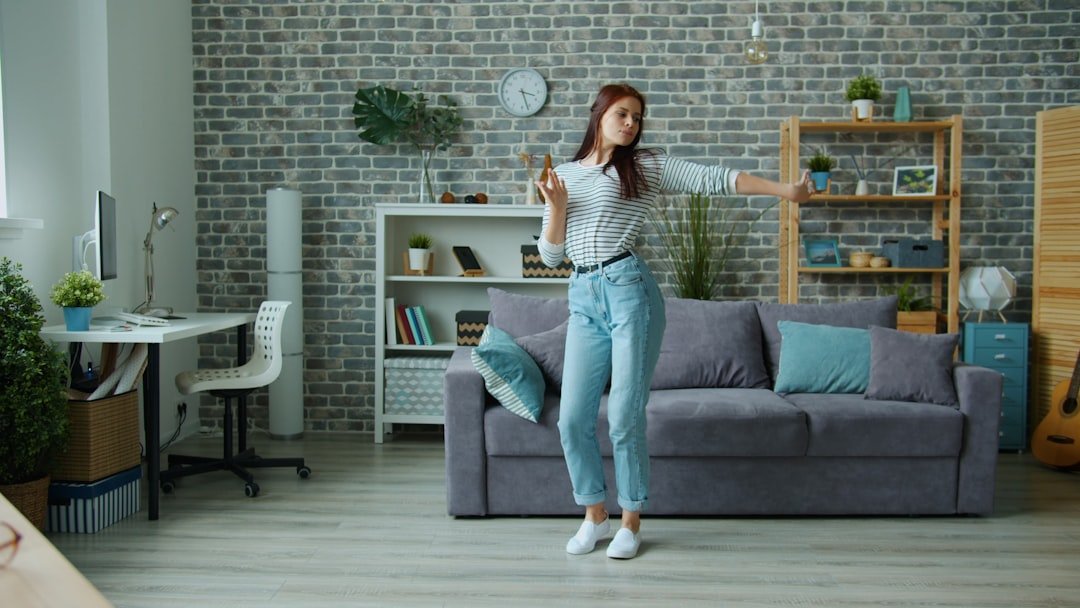
Why Practicing Dance at Home Is More Effective Than You Think
Many dancers assume they need a professional studio with mirrored walls and sprung floors to make real progress. The truth? Some of the world’s most celebrated dancers — from hip-hop legends to ballet stars — built their foundations practicing in living rooms, garages, and backyards. Learning how to practice dance at home without a studio isn’t just a compromise; it can actually accelerate your growth when done intentionally. You control the schedule, the music, the pace, and the environment. All you need is the right setup and mindset.
Set Up Your Home Dance Space the Smart Way
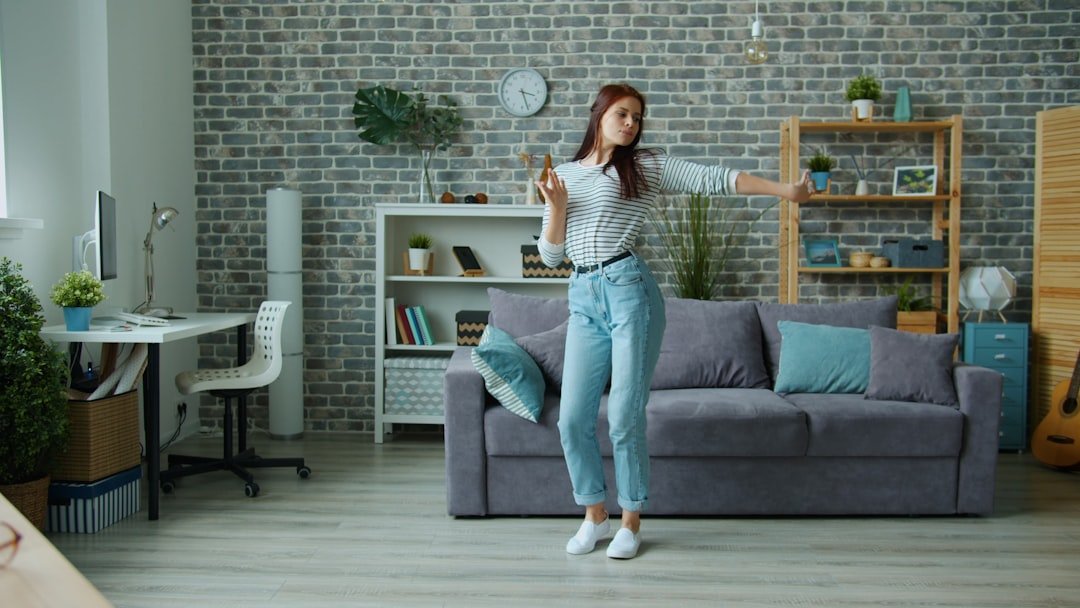
Before you throw on your favorite playlist and start moving, take a few minutes to create a dedicated practice zone. You don’t need a large room — even a 6×6 foot cleared area can be enough for most styles including contemporary, hip-hop, and jazz fundamentals.
- Clear the floor: Push furniture to the walls and remove rugs that could cause slipping or restrict movement.
- Check your ceiling height: If you’re doing lifts, turns with arms extended, or any vertical work, make sure you have clearance above.
- Consider flooring: Hardwood or laminate is ideal. If you have carpet, a portable dance floor panel like the Greatmats Portable Dance Floor (available on Amazon) offers a smooth, safe surface for under $100.
- Add a mirror: A full-length mirror is a game-changer for self-correction. A budget-friendly option is the Neutype Full Length Mirror, which is lightweight, affordable, and easy to lean against a wall.
Lighting matters too. Make sure your space is bright enough to see your form clearly — natural light or a ring light positioned in front of you works beautifully for both practice and recording yourself.
Use Online Resources Like a Pro
The internet is essentially a free dance studio, and knowing where to look makes all the difference. Platforms like YouTube, Steezy Studio, and CLI Studios offer thousands of structured lessons for every style and skill level.
- YouTube: Channels like MihranTV (hip-hop), Kathryn Morgan (ballet), and Yvonne Ng (contemporary) offer free, high-quality tutorials broken down step by step.
- Steezy Studio: A subscription-based platform with structured courses in street styles. It’s one of the best investments a beginner to intermediate dancer can make, starting at around $20/month.
- CLI Studios: Great for those interested in commercial, jazz, and contemporary — many professional choreographers teach here.
Pro tip: Don’t just watch and repeat randomly. Pick one video or choreography piece and work on it for at least a week. Depth beats breadth when it comes to building real dance skill.
Build a Consistent Home Practice Routine
Consistency is the secret ingredient that separates dancers who improve quickly from those who plateau. A structured routine keeps you accountable and ensures you’re developing all the key areas of dance fitness and technique.
Here’s a simple framework for a 45–60 minute home practice session:
- Warm-up (5–10 minutes): Dynamic stretches, neck rolls, hip circles, and light cardio. YouTube has excellent dance warm-up videos that are free and easy to follow.
- Technique drills (10–15 minutes): Isolations, footwork patterns, or balance exercises depending on your style.
- Choreography or freestyle (20–25 minutes): Work through a piece you’re learning OR set a timer and freestyle to build musicality and confidence.
- Cool-down and stretch (5–10 minutes): Static stretching to improve flexibility and prevent injury.
Aim for at least 3–4 sessions per week. Even 20-minute focused sessions will move the needle faster than infrequent two-hour marathons.
Invest in the Right Gear (Without Breaking the Bank)
You don’t need an expensive wardrobe to practice at home, but a few targeted investments will make your sessions more effective and enjoyable.
Footwear
Wearing the right shoes protects your joints and helps you feel the floor correctly. Capezio and Bloch both offer excellent options for jazz, contemporary, and ballet practice. For hip-hop or commercial styles, a clean flat-soled sneaker like the Vans Authentic gives you grip without sticking to your floor.
Clothing
Wear fitted, breathable activewear that doesn’t restrict movement. Brands like Alo Yoga, Lululemon, and budget-friendly options from Amazon Essentials all deliver comfort and flexibility.
Audio Equipment
Music quality matters more than most dancers realize. A good Bluetooth speaker — like the popular JBL Flip 6 or the more affordable Anker Soundcore 3 — will make your music feel alive in the room and actually improve your connection to the beat.
Recording Setup
Use your phone on a simple tripod (the UBeesize Phone Tripod on Amazon is under $25 and highly rated) to record your practice. Watching yourself back is one of the fastest ways to identify habits you didn’t know you had.
Work on Musicality and Artistry at Home
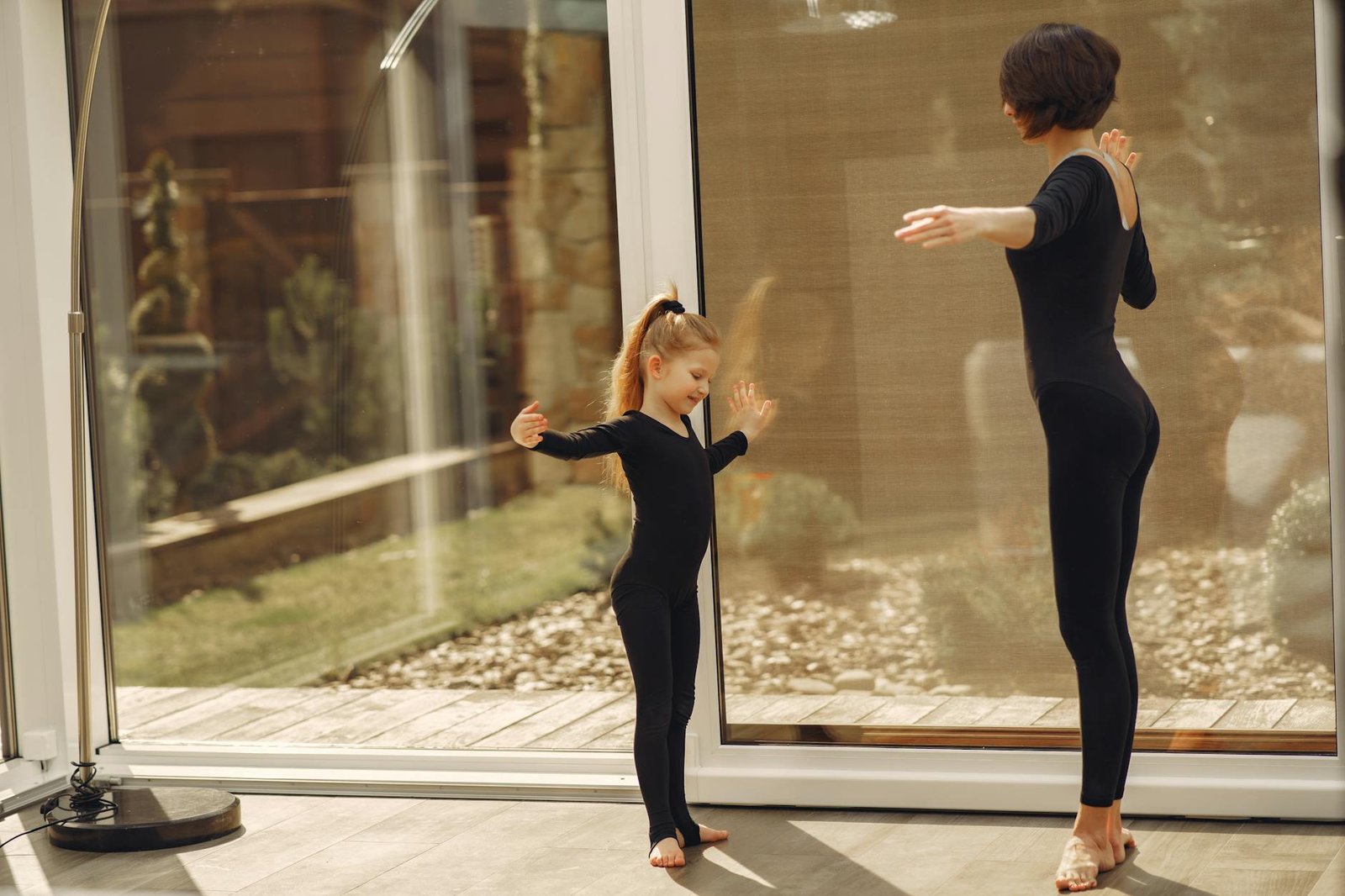
Technical skill is only half of being a great dancer. Musicality — the ability to truly listen to and interpret music — is what makes a dancer magnetic to watch. The good news? This is something you can develop entirely at home.
- Active listening: Sit quietly and listen to a song all the way through before dancing to it. Identify the beat, the phrases, the accents, and the emotional tone.
- Mark through music: Do small, low-energy run-throughs of choreography or freestyle movements, focusing entirely on how you respond to the music rather than how you look.
- Explore different genres: Challenge yourself to move to genres outside your comfort zone — salsa, drum and bass, classical, afrobeats. Each one teaches you something new about rhythm and expression.
Keeping a short dance journal where you reflect on what you noticed, felt, or struggled with in each session is a powerful (and underrated) habit that helps accelerate artistic growth.
Stay Motivated and Track Your Progress
One of the biggest challenges of home practice is staying motivated without the energy of a class environment and peers around you. Here’s how to keep the momentum going:
- Set a small monthly goal: Learning one 30-second piece of choreography, nailing a specific turn combination, or improving your split flexibility by 2 inches gives you something concrete to work toward.
- Join online communities: Facebook groups, Reddit’s r/dance community, and TikTok are full of dancers at every level sharing their journeys. Accountability partners and supportive feedback go a long way.
- Film and compare: Record yourself doing the same piece at the beginning and end of the month. The visual proof of progress is incredibly motivating.
- Reward yourself: Treat yourself to a new piece of dancewear, a workshop, or a new album when you hit a milestone. Positive reinforcement works.
Remember, every professional dancer started exactly where you are. Progress is not always visible day to day, but it is always happening when you show up consistently.
Conclusion: Your Home Is Your Studio — Start Today
Now that you know exactly how to practice dance at home without a studio, there’s nothing standing between you and real, meaningful progress. Clear your space, pick a platform, build your routine, and commit to showing up for yourself — even on the days when motivation feels low. Those are often the sessions that teach you the most.
The studio is a wonderful tool, but your passion, your living room floor, and a good playlist are all you truly need to grow as a dancer. So hit play, trust the process, and start moving.
Ready to take your home practice to the next level? Bookmark this guide, share it with a fellow dancer, and drop a comment below telling us what style you’re working on — we’d love to cheer you on!