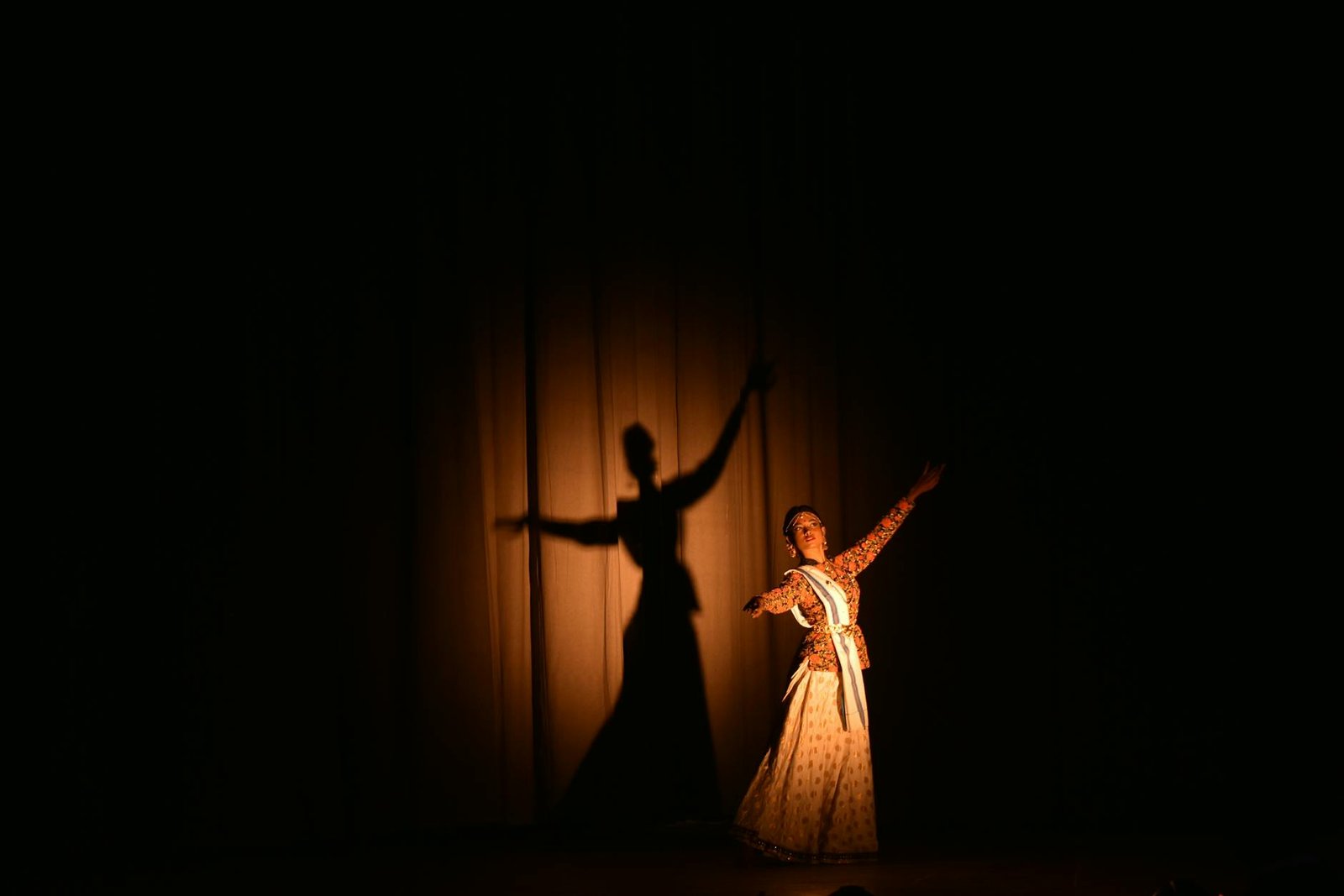
Why Stage Fright Happens to Dancers (And Why It’s Completely Normal)
If your heart races the moment you step into the wings, your palms sweat at the sight of an audience, or your mind goes completely blank right before your cue — welcome to the club. Learning how to overcome stage fright and dance performance anxiety is one of the most important skills any dancer can develop, and the good news is that nearly every performer, from beginners to seasoned professionals, experiences it.
Stage fright is your body’s natural fight-or-flight response. When you perceive a high-stakes situation — like performing in front of an audience — your nervous system floods your body with adrenaline. Your heart beats faster, your muscles tense up, and your breathing becomes shallow. The key isn’t to eliminate this response entirely; it’s to redirect that nervous energy into powerful, expressive performance.
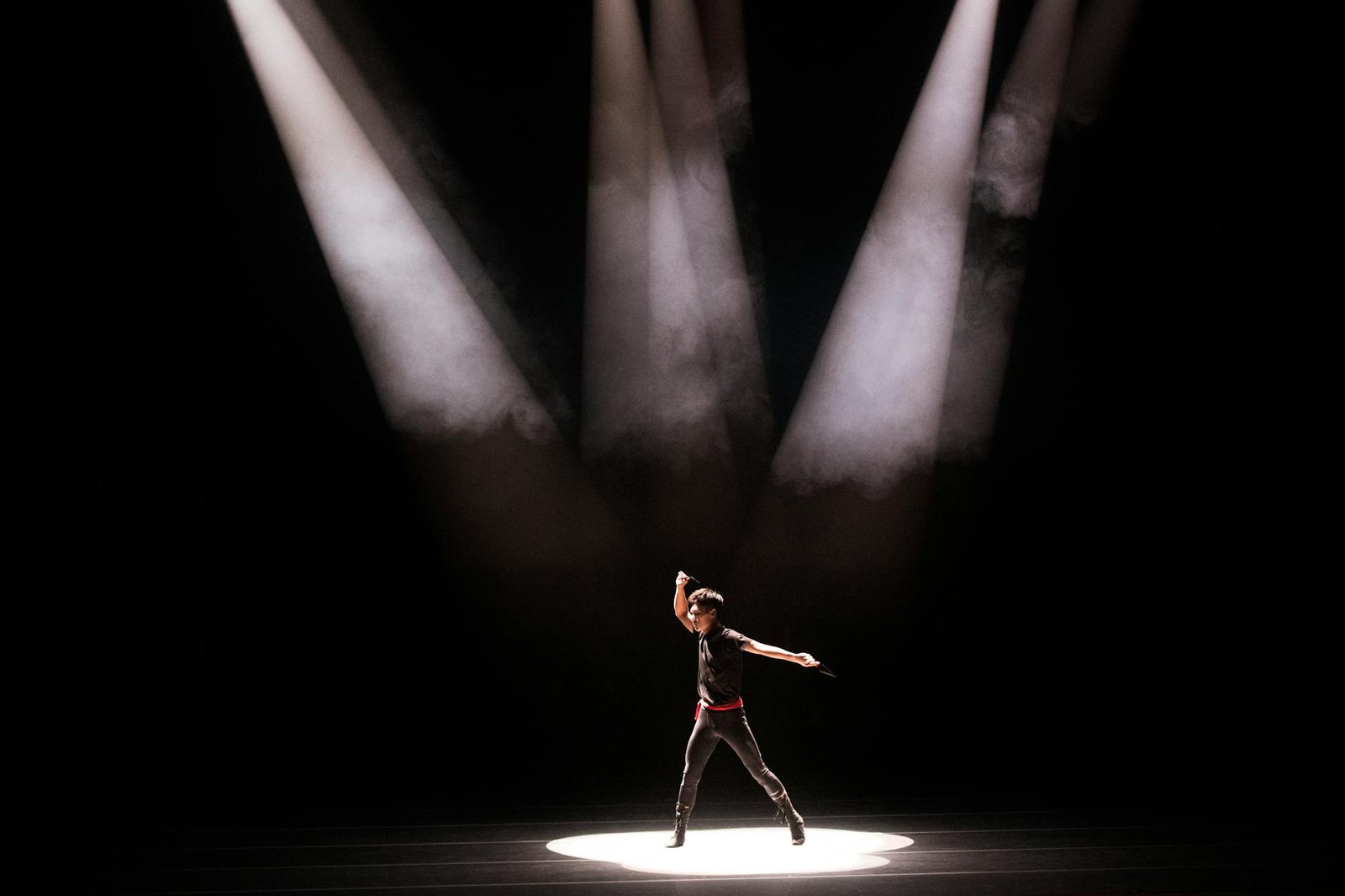
1. Master Your Preparation to Build Rock-Solid Confidence
One of the biggest drivers of performance anxiety is the fear of forgetting your choreography. The single best antidote? Rigorous, smart preparation.
- Over-rehearse your routine. Practice until the movements feel automatic — muscle memory is your best friend on stage. Aim to run your full routine at least 20–30 times before performance day.
- Simulate performance conditions. Wear your costume during rehearsal, practice with music at performance volume, and invite a small audience of friends or family to watch. The more your brain experiences a “performance-like” situation, the less threatening the real thing will feel.
- Use a mirror strategically. A quality dance mirror — like those from the Fab Glass and Mirror brand or a portable option such as the Mirrorlite portable dance mirror (available on Amazon) — lets you self-correct in real time without always needing a teacher present.
- Record yourself. Set up your phone on a tripod and film your practice sessions. Watching yourself back builds self-awareness and makes the idea of being “watched” feel far less scary.
2. Use Breathing Techniques to Calm Your Nervous System Instantly
Your breath is one of the most powerful tools you have for managing anxiety — and the best part is that it’s always with you, even in the wings right before you go on.
Try Box Breathing
Box breathing is a technique used by Navy SEALs and elite athletes to regulate their nervous system under pressure. Here’s how to do it:
- Inhale slowly for 4 counts
- Hold for 4 counts
- Exhale slowly for 4 counts
- Hold for 4 counts
Repeat this cycle 4–6 times backstage and you’ll feel a noticeable shift in your anxiety levels. Pair this with a meditation app like Calm or Insight Timer to build a daily breathwork habit that makes the technique second nature by performance day.
Diaphragmatic Breathing for Dancers
Shallow chest breathing fuels anxiety. Train yourself to breathe from your diaphragm — place one hand on your belly and breathe so that hand rises and falls. This deeper breathing signals safety to your nervous system and helps stabilize your core at the same time.
3. Reframe Your Mindset: Anxiety as Excitement
Groundbreaking research from Harvard Business School found that telling yourself “I am excited” rather than “I am nervous” can measurably improve performance. Physiologically, anxiety and excitement feel almost identical — the difference is how your brain interprets the signals.
Before you go on stage, try these mindset shifts:
- Replace “Don’t mess up” with “I get to share something I love.”
- Focus on the audience’s experience, not your own judgment of yourself. Your job is to give them a gift — the moment you shift your focus outward, self-consciousness diminishes.
- Create a power phrase. Athletes call these “performance cues.” Choose a short, punchy affirmation like “I am ready, I am strong, I belong here” and repeat it in the final moments before you perform.
- Visualize success vividly. Every night for one week before a performance, close your eyes and mentally walk through your entire routine perfectly — feel the floor beneath your feet, hear the music, imagine the audience’s applause.
4. Take Care of Your Body on Performance Day
What you do with your body in the hours before a performance has a huge impact on your anxiety levels. Ignore these basics and you’re making anxiety harder to manage from the start.
- Eat strategically. Avoid heavy meals that cause sluggishness or sugary snacks that spike and crash your blood sugar. Opt for a balanced meal with complex carbohydrates, lean protein, and healthy fats 2–3 hours before curtain. Think oatmeal with nut butter and banana, or chicken with rice and vegetables.
- Hydrate, but don’t overdo it. Dehydration worsens anxiety symptoms. Carry a reusable water bottle — the Hydro Flask wide-mouth bottle is a dancer favorite and available on Amazon — and sip consistently throughout the day.
- Warm up your body AND your mind. A proper physical warm-up increases blood flow, releases tension from your muscles, and tells your brain it’s time to dance. Add a mental warm-up: five minutes of quiet meditation or journaling about why you love dancing.
- Limit caffeine. Coffee and energy drinks amplify the physical symptoms of anxiety — increased heart rate, shakiness, and jitteriness. Switch to herbal tea like chamomile or peppermint on performance day.
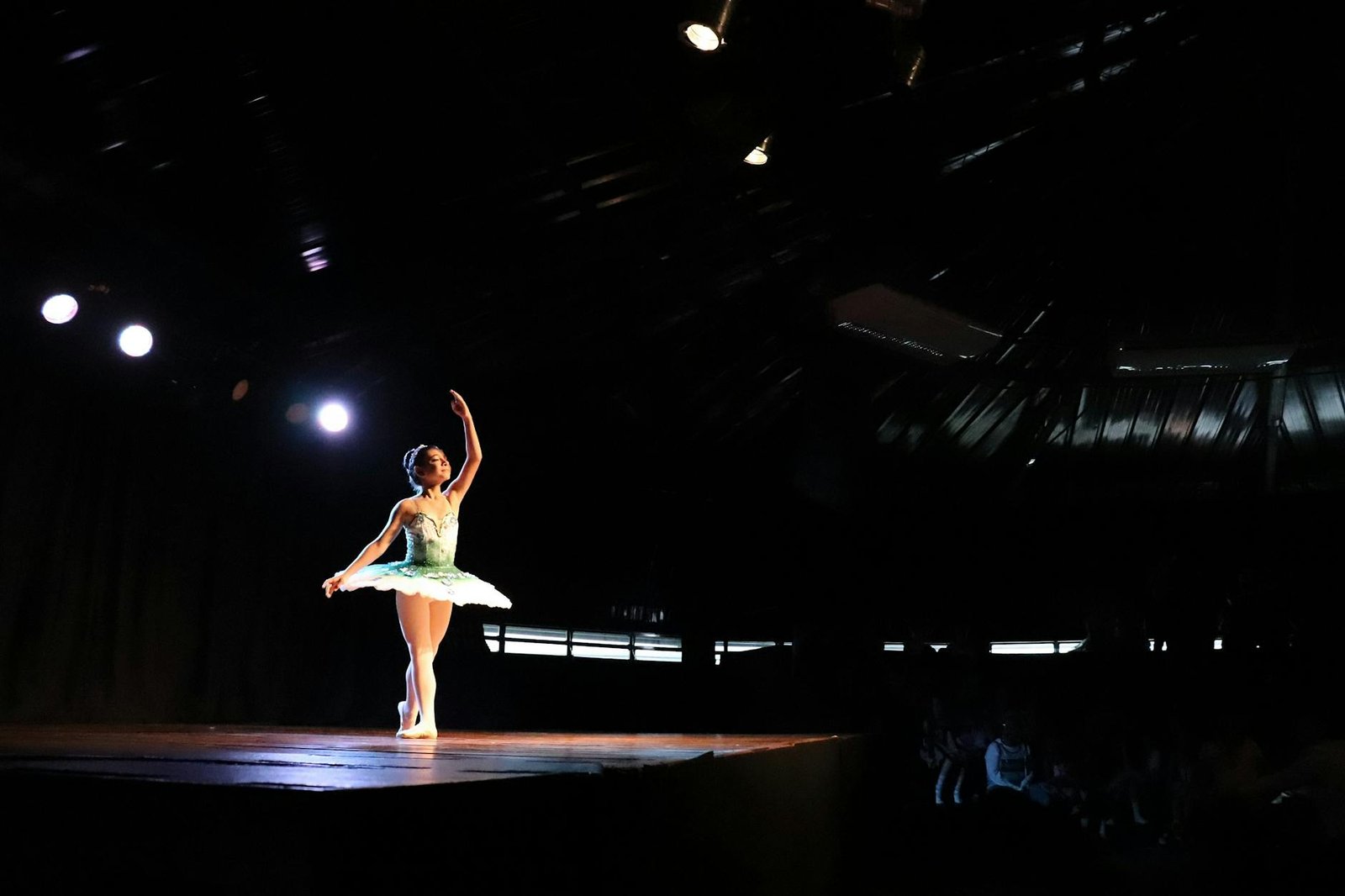
5. Build Performing Experience Gradually
The most effective long-term cure for dance performance anxiety is deliberate exposure. The more you perform, the more your brain learns that the stage is a safe place — not a threat.
- Start small. Perform for one person. Then five. Then a small group. Work your way up incrementally. Even performing your routine in a living room for your family counts as valuable exposure.
- Join a community class showcase. Many local dance studios host student recitals or open showcases — these low-stakes environments are perfect for building your performance confidence muscle.
- Try open mic or pop-up events. Look for local events where dancers and artists share their work informally. The informal atmosphere removes much of the pressure.
- Take a performance workshop. Many studios and online platforms like Steezy Studio or CLI Studios offer workshops specifically focused on performance skills and stage presence — not just technique.
6. Use the Right Tools and Resources to Support Your Journey
You don’t have to figure this out alone. There are fantastic resources designed to help dancers work through performance anxiety:
- Books: The Inner Game of Tennis by Timothy Gallwey, while written for tennis, is considered a masterclass in mental performance that dancers swear by. Performing Under Pressure by Hendrie Weisinger is another excellent read — both are available on Amazon.
- Journals: A dedicated performance journal helps you track your anxiety triggers and progress. The Five Minute Journal (available on Amazon) has a simple daily format that takes just minutes and significantly improves mental resilience over time.
- Therapy and coaching: Don’t underestimate the power of working with a sports psychologist or performance coach who specializes in performing arts. This is especially valuable if your anxiety is severe enough to stop you from performing at all.
- Aromatherapy: Several dancers swear by lavender essential oil backstage to calm pre-show nerves. A small rollerball blend like those from Plant Therapy (widely available on Amazon) is easy to keep in your dance bag.
You’ve Got This: Final Thoughts on Conquering Dance Performance Anxiety
Learning how to overcome stage fright and dance performance anxiety is a journey, not a destination. Every great dancer you admire has stood exactly where you’re standing — heart pounding, legs shaking, wondering if they can do it. And they did it anyway.
The techniques in this guide — thorough preparation, breathwork, mindset reframing, physical self-care, gradual exposure, and the right support tools — work. But they only work if you put them into practice consistently. Start with just one or two strategies this week, then layer in more as they become habit.
The stage is waiting for you. And trust us — the feeling on the other side of that fear is absolutely worth it.
Ready to take the next step? Drop a comment below and tell us which technique you’re going to try first — we’d love to cheer you on. And if you found this guide helpful, share it with a fellow dancer who needs a little extra encouragement before their next big performance. 💃🕺