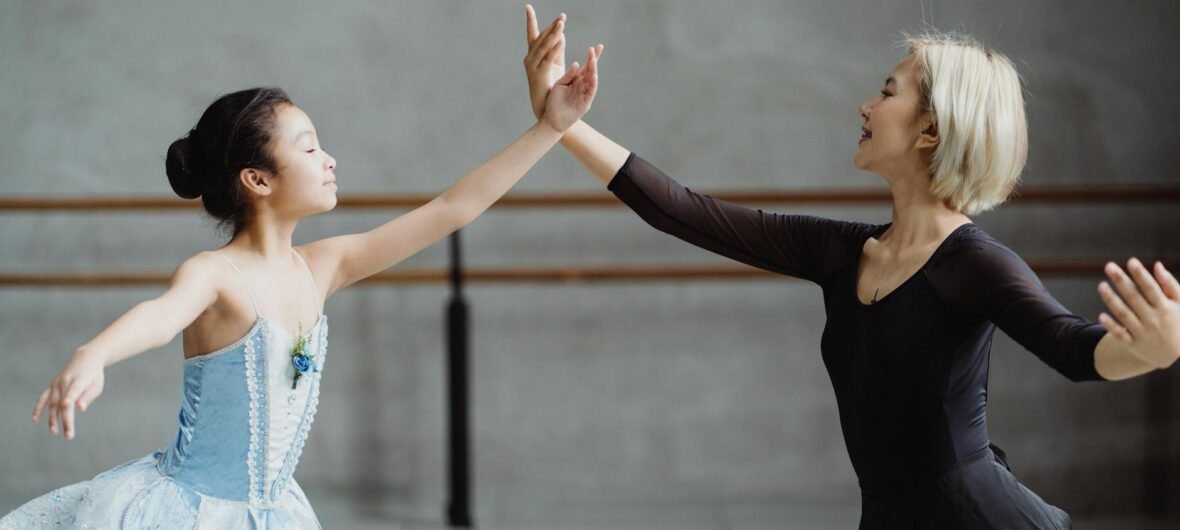
Why Choosing the Right Dance Teacher Matters More Than You Think
If you’ve ever taken a class that left you feeling confused, discouraged, or just plain bored, chances are the problem wasn’t you — it was the teacher. Knowing how to find a good dance teacher and what to look for is one of the most important steps you can take as a dancer, whether you’re just starting out or looking to level up your skills. The right instructor doesn’t just teach you steps; they build your confidence, correct your technique safely, and make you genuinely excited to walk into the studio every week.
So before you commit to a class, a contract, or a monthly membership, let’s walk through everything you should be evaluating. Trust us — a little research upfront saves a lot of frustration later.
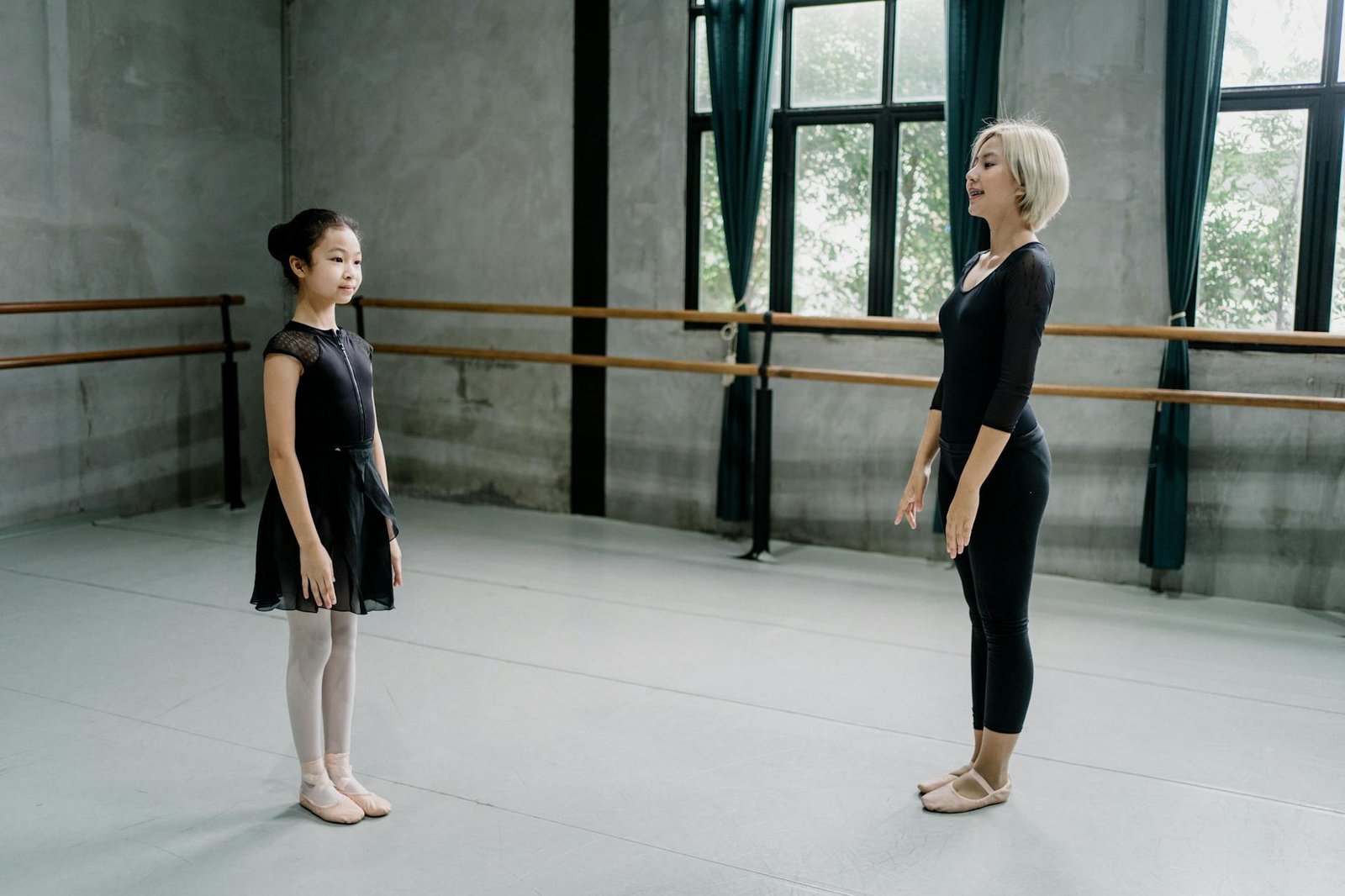
1. Check Their Credentials and Dance Background
A great dance teacher doesn’t necessarily need a wall full of trophies, but they should have a solid, verifiable background in the style they’re teaching. Here’s what to look for:
- Formal training: Did they study at a recognized dance academy, conservatory, or with established professionals in their genre?
- Teaching certifications: Organizations like the Royal Academy of Dance (RAD), Dance Teachers Club of Boston, or ISTD (Imperial Society of Teachers of Dancing) offer recognized certifications. These signal a commitment to quality education.
- Performance or competition experience: Real-world experience helps a teacher understand what dancers actually need under pressure.
- Ongoing education: The best teachers never stop learning. Ask if they regularly attend workshops, masterclasses, or conventions.
Don’t be shy about asking a prospective teacher about their background. Any good instructor will be happy — even proud — to share it with you.
2. Observe Their Teaching Style in Action
Credentials tell you about a teacher’s past. A trial class tells you everything about their present. Most reputable studios offer a free or low-cost introductory lesson, and you should absolutely take advantage of it. While you’re in that trial class, pay close attention to these signals:
- Do they break down movements clearly? A good teacher explains not just the what but the why behind each move.
- Are they patient and encouraging? Beginners especially need a teacher who meets them where they are without frustration.
- Do they give individual corrections? General instruction is fine, but personalized feedback is where real improvement happens.
- Is the class well-structured? Look for a logical progression: warm-up, technique work, combinations, cool-down.
Also note how they handle mistakes. A teacher who shames students — even subtly — creates an environment of fear, not growth. You want someone who corrects with kindness and specificity.
3. Make Sure Their Specialty Matches Your Goals
Dance is an enormous world. Ballet, hip-hop, salsa, contemporary, ballroom, jazz, tap — each genre has its own technical language and demands. A fantastic ballet instructor may not be the right fit if you’re dreaming of performing Latin dance at a wedding. When evaluating a teacher, ask yourself:
- Do they specialize in the style you want to learn?
- Do they have experience teaching your age group and skill level?
- If you have a specific goal (competition, performance, fitness, social dancing), have they successfully guided other students toward that same goal?
It’s perfectly fine — actually, it’s smart — to ask the teacher directly: “I want to learn salsa to dance at social events. Is that something you regularly teach, and what results have your students typically seen?”
4. Assess the Studio Environment and Class Size
A teacher’s effectiveness is also shaped by the environment they work in. Even an excellent instructor can struggle to reach students in an overcrowded, poorly equipped studio. Look at these practical factors:
- Class size: Smaller classes (ideally under 15 students for technique-focused work) mean more attention per student.
- Studio space: Is there enough room to move freely? Are the floors sprung or at least appropriate for the dance style? Hardwood or Marley floors are ideal for most dance forms and protect your joints.
- Mirrors and sound equipment: Good mirrors help you self-correct; quality sound matters for musicality.
- Cleanliness and atmosphere: A well-maintained studio signals professionalism and respect for students.
If you’re setting up a home practice space alongside your classes, investing in a portable dance floor — like the top-rated options available on Amazon, such as the Greatmats Portable Dance Floor — can help reinforce what you’re learning between lessons without risking injury on hard concrete or carpet.
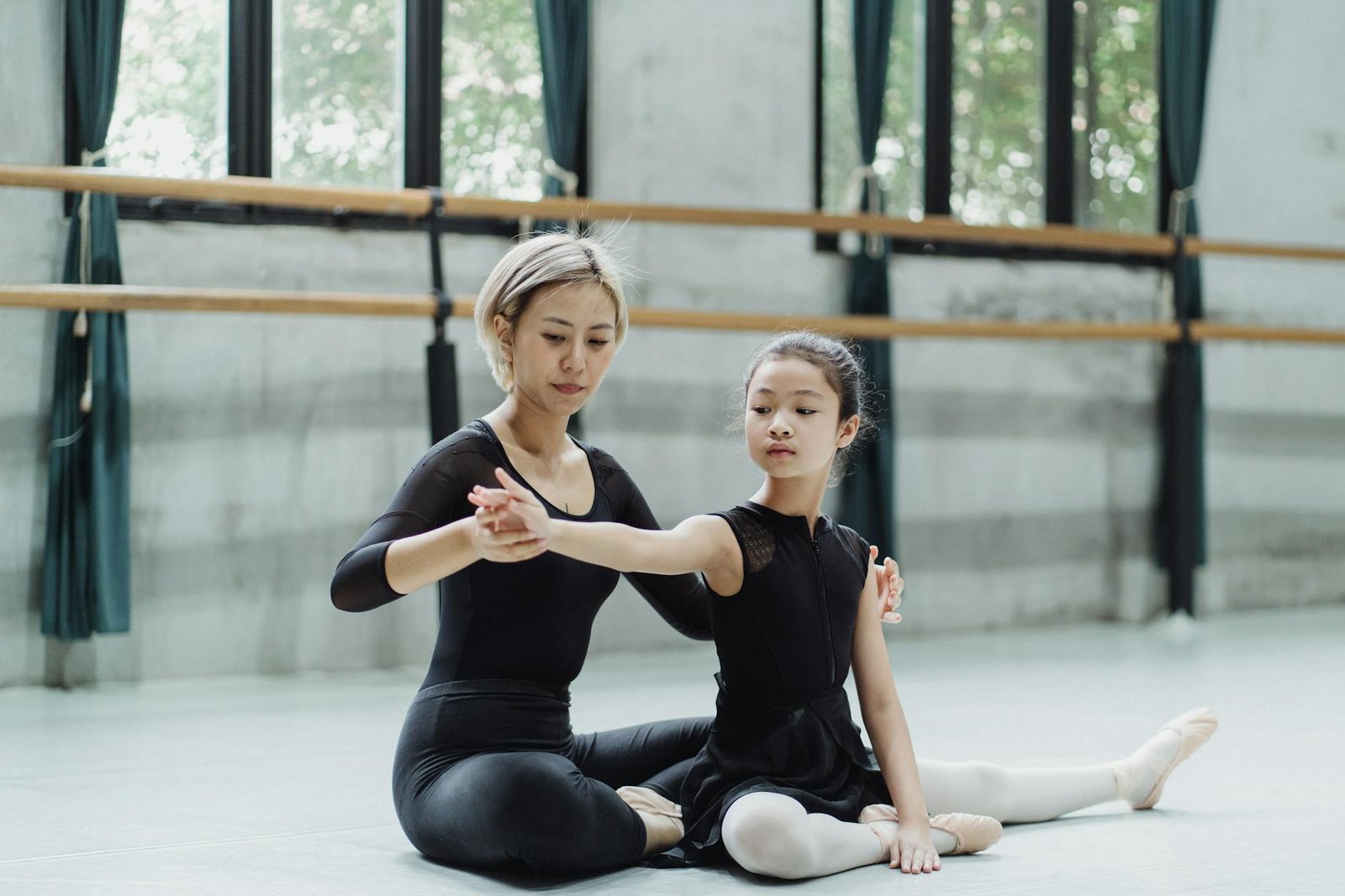
5. Read Reviews and Ask for References
Word of mouth is still one of the most reliable tools for finding a quality dance teacher. Here’s how to tap into it effectively:
- Google and Yelp reviews: Look beyond the star rating. Read the actual comments for recurring themes — both positive and negative.
- Social media: Check their Instagram or TikTok. Do they post content that demonstrates genuine skill and enthusiasm? Do their current students engage positively?
- Ask the studio directly: Request contact information for a current or former student who can give you an honest perspective.
- Local dance communities: Facebook groups, Reddit threads (r/dance is a great resource), and local meetups are goldmines for unfiltered recommendations.
A teacher with nothing but glowing five-star reviews across multiple platforms is a very good sign. Consistent complaints about communication, lateness, or dismissiveness toward beginners are serious red flags.
6. Evaluate Communication and Professionalism
How a teacher operates outside the classroom says a lot about how much they value their students. Before committing, notice:
- Responsiveness: Do they reply to inquiries promptly and courteously?
- Clear policies: Are class fees, cancellation policies, and schedules communicated transparently?
- Safety awareness: Do they discuss injury prevention, proper warm-up, and physical limitations? A responsible teacher always screens for injuries and modifies accordingly.
- Goal-setting conversations: The best teachers take time to understand your goals, not just push a generic syllabus.
These professional habits signal that a teacher treats their work — and their students — with genuine respect.
7. Trust Your Gut (Seriously)
After all the research, observations, and reviews, there’s one final factor that no checklist can fully capture: how you feel in that teacher’s presence. Do you feel encouraged, safe, and excited? Or do you feel rushed, judged, or overlooked?
Dance is deeply personal. It involves your body, your confidence, and your creativity. You deserve a teacher who makes you feel capable and inspired — not just technically competent. If something feels off after a trial class, honor that instinct. There are many wonderful teachers out there, and the right one for you exists.
Consider keeping a small dance journal to note your impressions after each trial class. A simple notebook or a dedicated app like Day One can help you compare options when you’re deciding between two or three finalists.
Ready to Find Your Perfect Dance Teacher?
Finding the right instructor is one of the best investments you’ll ever make in your dance journey. Use this guide as your personal checklist: verify credentials, take a trial class, match their specialty to your goals, check the environment, read reviews, assess professionalism, and trust your instincts. When all those boxes line up, you’ll know you’ve found someone special.
Now it’s your turn. Start researching studios in your area this week, book at least two or three trial classes, and go in armed with the questions from this guide. Your future dancing self will thank you. And if you found this post helpful, share it with a friend who’s been thinking about starting dance lessons — they’ll appreciate the head start!