How Long Do Dance Shoes Typically Last?
If you’ve ever winced at the price tag on a quality pair of dance shoes, you’re not alone. Understanding how long dance shoes last and how to extend their lifespan is one of the smartest investments of time you can make as a dancer. The honest answer? It depends — but most dance shoes last anywhere from 6 months to 3 years, depending on how often you dance, the style of dance, and how well you care for them.
Here’s a quick breakdown by dance style:
- Ballet shoes (canvas or leather): Canvas flats may last only 2–4 months for serious students; leather can push 6–12 months.
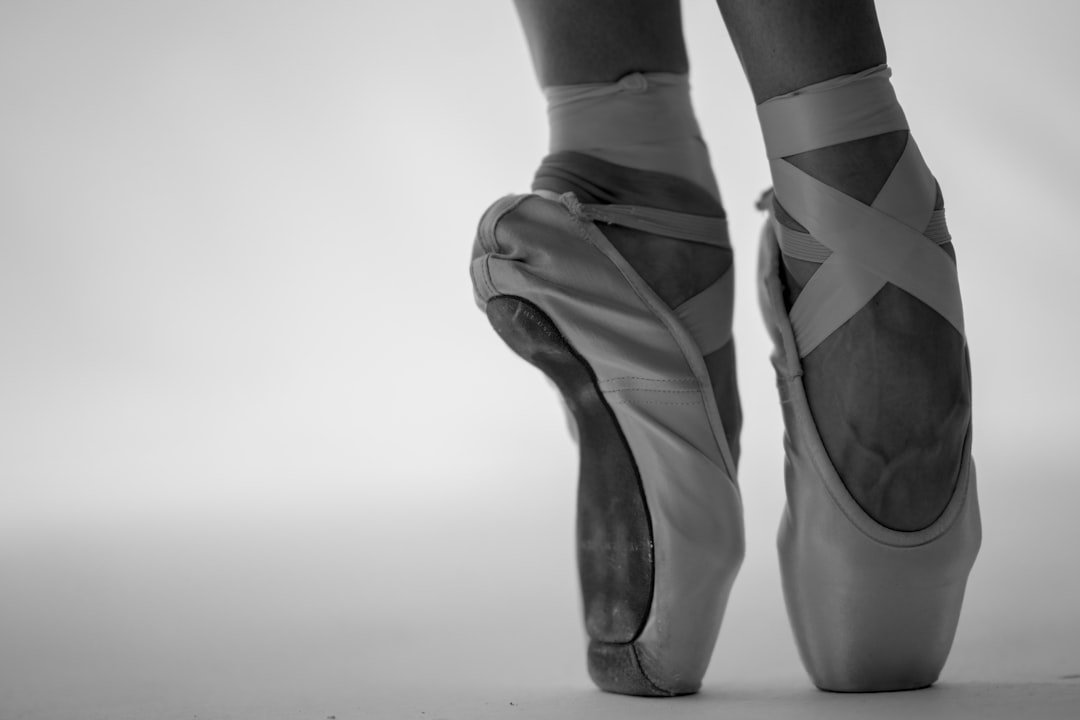
- Pointe shoes: Professional dancers break through a pair every 12–20 hours of dancing. Recreational dancers may get 6–12 months of use.
- Ballroom and Latin shoes: With proper care, these can last 1–3 years for social dancers and 6–18 months for competitive dancers.
- Jazz and tap shoes: Typically 1–2 years for regular studio use.
- Hip-hop sneakers: 1–2 years depending on floor surface and frequency.
These are averages, not guarantees. Your habits play a huge role in where your shoes land on that spectrum.
Signs Your Dance Shoes Are Worn Out (Don’t Ignore These)
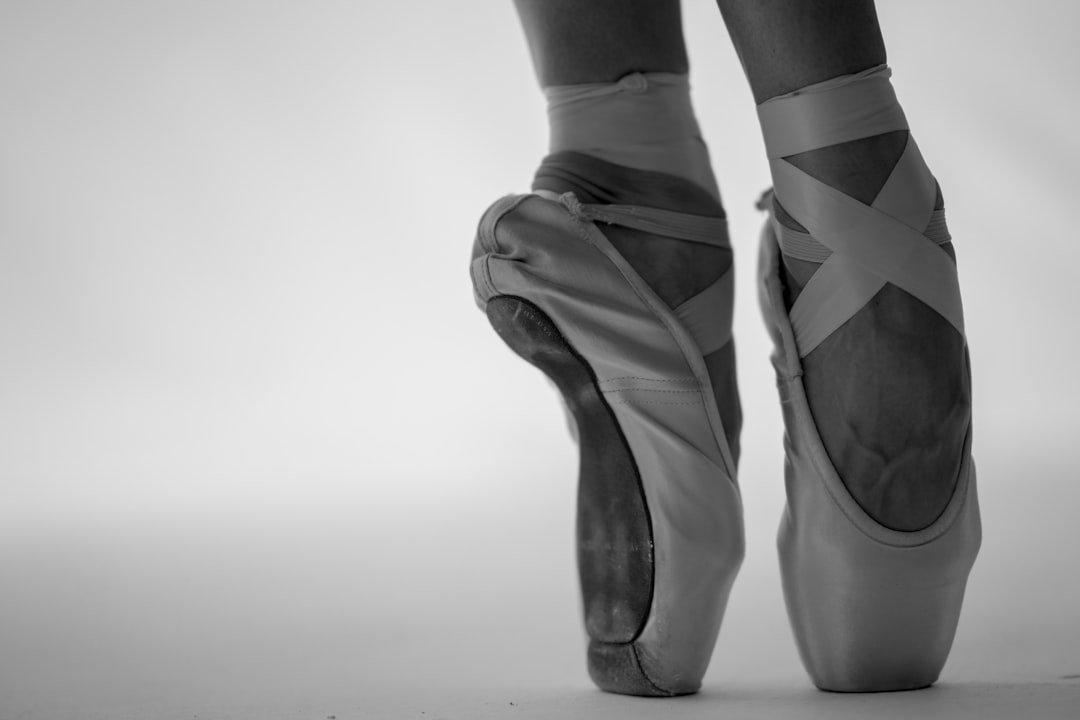
Before we talk about extending lifespan, it’s important to recognize when shoes have genuinely reached the end of their road. Dancing in worn-out shoes isn’t just frustrating — it can lead to injuries, poor technique, and bad habits.
- Worn-down suede soles that no longer offer consistent grip or glide
- Collapsed heel counters that fail to support your ankle
- Visible separation between the sole and upper
- Flattened cushioning in the insole that leaves your feet aching after class
- Stretched or misshapen uppers that no longer hold your foot securely
If your shoes are showing two or more of these signs, it’s time to shop — not repair. Brands like Capezio, Bloch, and Dance Now offer reliable entry-level options that won’t break the bank when it’s time to replace.
The Golden Rule: Only Wear Dance Shoes to Dance
This sounds obvious, but it’s the single most impactful habit you can build. Never wear your dance shoes outside the studio. Street surfaces — concrete, asphalt, gravel — are brutally harsh on suede soles and delicate leather uppers. Even walking from the parking lot to the studio in your dance shoes can shave months off their life.
Make it a ritual: arrive in your street shoes, change into your dance shoes at the studio door, and change back before you leave. Keep a dedicated dance bag (the Danshuz or Capezio draw-string bags work perfectly) so this swap becomes second nature. Many experienced dancers keep a small mat or towel near the entrance to stand on while they change — protecting both their shoes and the floor.
Cleaning and Maintenance Tips That Actually Work
Consistent, simple maintenance is the real secret behind long-lasting dance shoes. Here’s what actually works:
Suede Soles
Suede soles are the heart of most ballroom, Latin, and salsa shoes. Dirt and dust clog the nap over time, reducing both glide and traction. Use a suede sole brush (the Roch Valley Suede Brush is a popular, affordable option) after every single session. Brush in one direction to lift the nap and clear debris. For deeper cleaning, a slightly damp cloth followed by thorough air-drying works well — just never soak suede.
Leather Uppers
Wipe leather uppers down with a soft, damp cloth after dancing to remove sweat and oils. Once a month, apply a small amount of leather conditioner to prevent cracking and keep the material supple. Avoid silicone-based products, which can make surfaces slippery.
Canvas and Fabric Shoes
Canvas ballet shoes can often be hand-washed in cold water with mild detergent. Always air-dry — never use a dryer, as heat warps the shape and weakens adhesive bonds. Stuff them lightly with paper towel while drying to help them hold their form.
Tap Shoes
Check your taps regularly for loose screws using a small screwdriver. Tightening loose taps prevents uneven wear and keeps your sound consistent. Metal taps can be wiped clean with a dry cloth — avoid moisture near the screws to prevent rust.
Proper Storage Makes a Bigger Difference Than You Think
How you store your dance shoes when you’re not using them quietly determines how long they last. Follow these simple storage habits:
- Always air them out before storing. After class, leave shoes outside your bag for 20–30 minutes to let moisture evaporate. Trapping sweat inside a closed bag breeds bacteria and breaks down materials faster.
- Use shoe bags or individual pouches to protect delicate surfaces. Most dance shoe brands include these, or you can find affordable options on Amazon. The Theatricals brand shoe bags are a dancer favorite.
- Avoid extreme temperatures. Don’t leave dance shoes in a hot car — heat softens adhesives and warps soles. Cold isn’t great either; leather can dry out and crack.
- Use shoe trees for structured shoes. For heeled ballroom shoes, a shoe tree helps maintain shape between uses and prevents the heel counter from collapsing.
- Store upright, not crushed under other items. A dedicated shelf or section of your dance bag keeps shoes from being misshapen by pressure.
Smart Rotation: The Secret Weapon of Experienced Dancers
Here’s a tip that experienced dancers swear by: own at least two pairs of dance shoes and rotate them. This applies especially to ballroom dancers, serious ballet students, and anyone dancing four or more hours per week.
Rotating pairs gives each shoe time to fully dry out between sessions (sweat is one of the biggest accelerators of breakdown), reduces the rate of wear on any single pair, and means you always have a backup if one pair needs a repair. Many competitive ballroom dancers keep a practice pair and a performance pair — only breaking out the performance shoes for showcases and competitions. This simple system can effectively double the life of your good shoes.
Entry-level brands like Very Fine Dance Shoes or Stephanie Dance Shoes (both available on Amazon) make affordable practice pairs that protect your investment in higher-end performance shoes from brands like Supadance or Werner Kern.
When and How to Resole Your Dance Shoes
Before you retire a pair of dance shoes entirely, consider whether resoling is a viable option. Many ballroom and Latin shoes — especially quality leather ones — can be resoled by a skilled cobbler, effectively giving them a second life at a fraction of the cost of a new pair.
Look for a cobbler who has experience with dance shoes specifically. The suede sole material needs to be matched correctly (standard shoe rubber won’t work), and the sole thickness matters for feel and technique. Ask ahead of time if they’re familiar with dance shoes, or search for specialty dance shoe repair services online — several ship nationally.
Resoling is most cost-effective for shoes that still have solid uppers and structure. If the heel is collapsing or the upper is separating, resoling likely isn’t worth the investment.
Conclusion: A Little Care Goes a Long Way
Understanding how long dance shoes last and how to extend their lifespan really comes down to a few consistent habits: only wear them on the dance floor, clean and brush them after every session, store them properly, and rotate pairs when possible. These small actions add up to months — sometimes years — of extra life from every pair you own.
Your dance shoes are tools that directly affect your technique, safety, and enjoyment on the floor. Treat them with a little respect, and they’ll repay you with better performance and more money saved over time.
Ready to upgrade your dance shoe care routine? Browse our recommended dance shoe care kits, storage solutions, and top-rated shoes for every style — all curated with dancers like you in mind. Drop your questions in the comments below, and let us know which tips made the biggest difference for you!