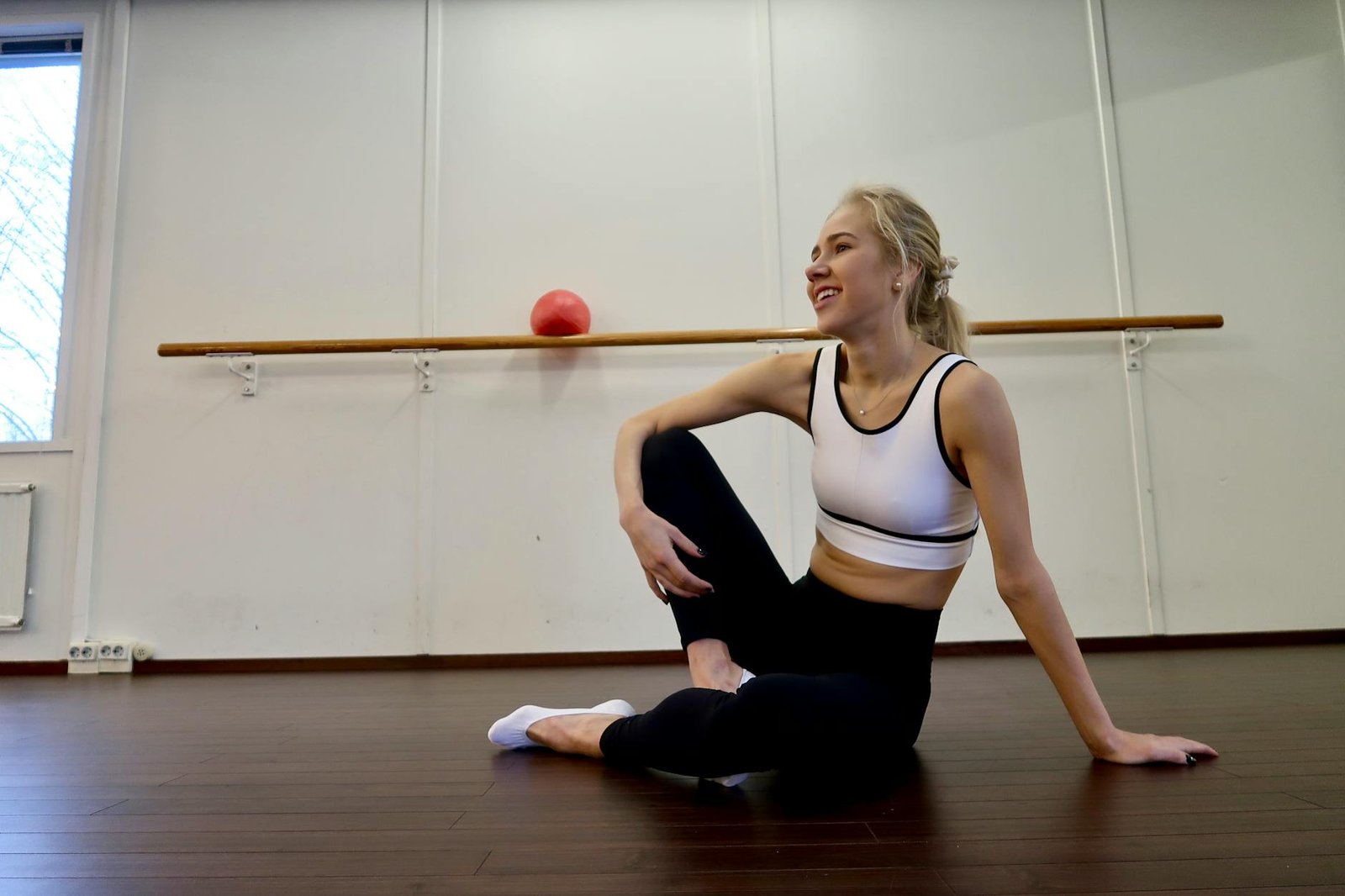
Why Grip Socks Are a Game-Changer for Dancers and Barre Enthusiasts
If you’ve ever slipped mid-plié or lost your footing during a barre sequence, you already know the frustration — and the danger — of working on a slick studio floor without the right gear. That’s exactly where grip socks for dance and barre pilates socks come in. They’re not just a trendy accessory; they’re a practical tool that can genuinely improve your performance, protect your joints, and give you the confidence to push your technique further.
Whether you’re a beginner stepping into your first barre class or an intermediate dancer looking to fine-tune your floor work, the right pair of grip socks can make a surprising difference. Let’s break down everything you need to know.
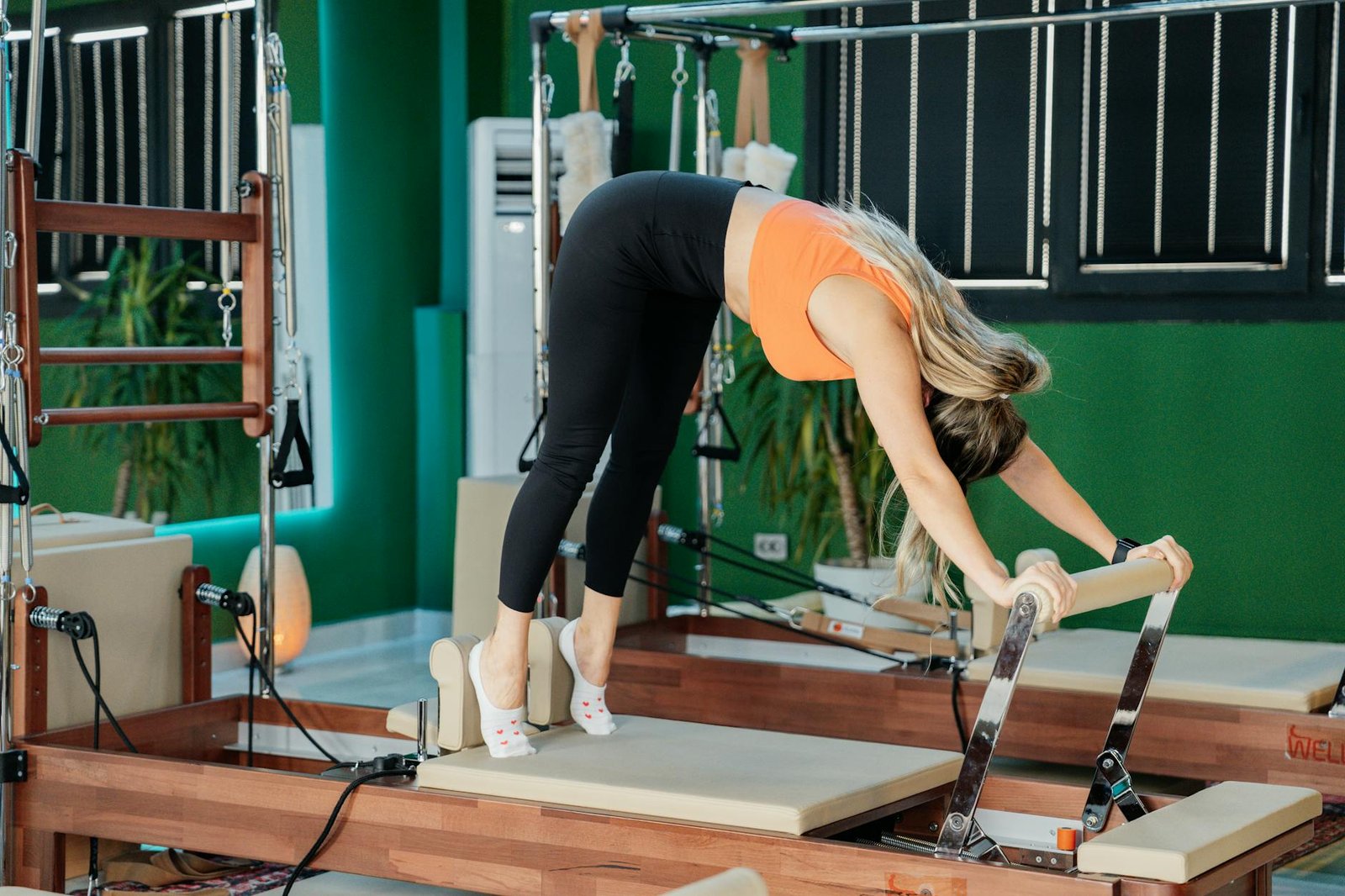
What Are Grip Socks and How Do They Work?
Grip socks are specially designed socks with rubberized or silicone dots, patterns, or strips on the sole. These grips create friction between your foot and the studio floor, preventing unwanted slipping while still allowing the controlled, intentional movement that dance and barre require.
Unlike bare feet — which can stick unpredictably on certain surfaces — or regular socks — which offer almost no traction — grip socks strike a balance. They let you slide when you mean to slide and hold firm when you need to anchor. Many styles also offer arch compression, light padding around the toe box, and moisture-wicking fabric to keep your feet comfortable throughout a full class.
Grip Socks vs. Bare Feet vs. Ballet Slippers: Which Is Best?
This is one of the most common questions in barre and dance communities, and the honest answer is: it depends on your discipline and your studio’s rules.
- Bare feet work well for contemporary dance and yoga-influenced movement, but can be slippery on hardwood and carry hygiene concerns in shared studios.
- Ballet slippers are ideal for classical technique but don’t offer grip on polished floors and aren’t always appropriate for fusion or barre pilates formats.
- Grip socks are the most versatile option — they’re hygienic, studio-friendly, affordable, and suitable for barre, pilates, dance fitness, and even light yoga flows.
Many boutique fitness studios actually require grip socks for sanitary reasons and liability purposes, so investing in a quality pair is often non-negotiable.
How to Choose the Right Grip Socks for Your Dance Style
Not all grip socks are created equal. Here’s what to look for depending on how you move:
For Barre Pilates
Look for socks with full-sole grip coverage and a snug, low-profile fit. You’ll be doing lots of relevés, pliés, and small pulsing movements, so you want grip that covers the ball of the foot and the heel without bunching. Brands like ToeSox and Tavi Noir are fan favorites in the barre community and are widely available on Amazon. ToeSox’s five-toe design is especially popular because it allows each toe to grip independently — mimicking the feel of bare feet with added traction.
For Contemporary and Jazz Dance
You’ll want a sock that allows for some slide and articulation. Look for half-toe or open-toe styles with grip concentrated on the heel and metatarsal area. This gives you traction during grounded moves while still allowing the toe drags and floor sweeps that stylistic dance demands.
For Dance Fitness (Zumba, HIIT Dance)
Prioritize cushioning and lateral support. Dance fitness involves a lot of lateral shuffles and quick direction changes, so grip socks with reinforced side panels and extra padding at the ball of the foot will serve you well. The Muezna Non-Slip Yoga Socks (available on Amazon) offer this kind of all-around grip and are a budget-friendly entry point.
Top Features to Look for When Buying Grip Socks
Shopping for grip socks can feel overwhelming with so many options on the market. Here’s a quick checklist to guide your decision:
- Grip pattern: Full-sole grips offer the most stability; spot grips offer more flexibility and articulation.
- Fabric: Look for cotton-spandex blends or bamboo-based fabrics for breathability and stretch. Avoid 100% synthetic fabrics if your feet run warm.
- Toe style: Five-toe (individual toes), open-toe, or closed-toe. Five-toe designs promote proprioception; open-toe styles are great for warmer studios.
- Compression: Light arch compression can reduce foot fatigue during long classes — a huge bonus for serious students.
- Durability of the grips: Silicone grips tend to last longer than basic rubber dots. Check Amazon reviews specifically for comments on grip longevity after washing.
- Sizing: Grip socks should fit snugly — too loose and the sock will bunch and the grips won’t contact the floor properly.
Best Grip Socks for Dance and Barre: Our Picks by Budget
Here’s a breakdown of solid options across different price points, all easily found on Amazon:
Best Budget Pick: Ozaiic Non-Slip Grip Socks
At under $15 for a multipack, Ozaiic socks are a great starting point for beginners. They feature full-sole silicone grip dots, a comfortable cotton-rich blend, and come in a variety of colors. They’re not the most technical pair on the market, but they do the job beautifully for introductory barre and pilates classes.
Best Mid-Range Pick: Tavi Noir Grip Socks
Tavi Noir has built a loyal following in the barre and yoga world for good reason. Their socks feature arch compression, moisture-wicking fabric, and strategically placed grip zones. The Maddie style is particularly popular for barre pilates. Priced around $18–$22 per pair, they’re a worthwhile investment if you’re attending classes multiple times per week.
Best Premium Pick: ToeSox Full Toe Grip Socks
If you’re serious about your practice, ToeSox are worth every penny. The five-toe design promotes natural foot alignment and better balance — something experienced dancers and pilates practitioners genuinely notice. The grip coverage is excellent, the materials are high quality, and they hold up wash after wash. Expect to pay around $20–$28 per pair on Amazon.
How to Care for Your Grip Socks So They Last Longer
Even the best grip socks will degrade quickly if you don’t care for them properly. Follow these tips to extend their life:
- Wash inside out to protect the silicone or rubber grips from friction in the machine.
- Use a gentle or delicate cycle with cold water.
- Air dry whenever possible. High heat from a dryer is the number one enemy of grip socks — it weakens the adhesive holding the grips to the fabric.
- Avoid fabric softener, which can coat the grips and reduce their effectiveness over time.
- Store them flat or rolled, not balled up, to prevent stretching the elastic.
With proper care, a good pair of grip socks can last six months to over a year even with regular use.
Final Thoughts: Finding Your Perfect Pair
Choosing the right grip socks for dance and barre pilates doesn’t have to be complicated. Start by thinking about your primary class format, your budget, and whether you prefer the individual-toe feel or a more traditional sock silhouette. If you’re brand new to barre or dance fitness, a budget-friendly multipack like Ozaiic is a low-risk way to discover what works for your feet. As your practice deepens, upgrading to Tavi Noir or ToeSox is a natural next step that your body will thank you for.
The right pair of grip socks is one of those small investments that quietly improves everything — your balance, your confidence, your safety, and even your enjoyment of class. Don’t underestimate them.
Ready to find your perfect pair? Browse the options mentioned above on Amazon, read the reviews (especially the ones that mention washing and durability), and don’t be afraid to try a couple of different styles before settling on your favorite. Your feet — and your instructor — will notice the difference.