
What Is Free Dance Improvisation?
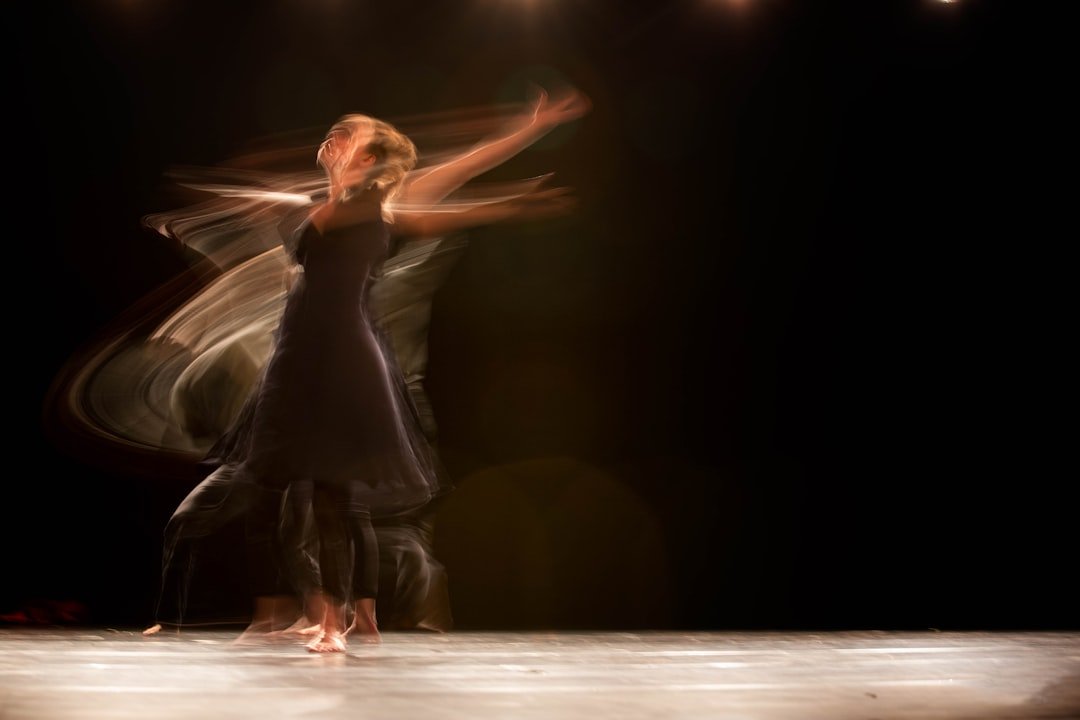
If you’ve ever found yourself moving spontaneously to a song you love — no choreography, no rules, just pure expression — you’ve already tasted free dance improvisation. At its core, free dance improvisation is the practice of moving your body intuitively and spontaneously, without following a set routine or memorized steps. It’s the opposite of choreographed performance, and that’s exactly what makes it so liberating.
Unlike structured dance forms such as ballet or hip-hop where technique and specific moves are front and center, free improvisation invites you to listen to your body, respond to music (or silence), and let movement arise organically. It’s used by professional dancers as a creative tool, by movement therapists as a healing practice, and by everyday people simply looking to connect more deeply with themselves through movement.
Understanding free dance improvisation — what it is and how to practice it — can genuinely transform the way you relate to your body and to dance as a whole.
The Real Benefits of Practicing Free Dance Improvisation
Before we dive into the how-to, let’s talk about why you should care. Free dance improvisation isn’t just fun — it offers a surprising range of benefits for dancers at every level:
- Boosts creativity: When you remove the pressure of “getting it right,” your imagination takes over. You start discovering movement patterns you never knew you had.
- Improves body awareness: Improvisation forces you to tune into sensations, weight shifts, and spatial awareness in real time.
- Reduces performance anxiety: Regular improvisation practice builds confidence because you learn to trust your instincts rather than fear mistakes.
- Supports emotional release: Movement and emotion are deeply connected. Many practitioners report feeling lighter, clearer, and more centered after an improv session.
- Enhances musicality: When you respond freely to music, you train your ear and body to connect more deeply with rhythm, melody, and mood.
Whether you’re a beginner trying to loosen up or an intermediate dancer wanting to break creative blocks, improvisation is a powerful tool worth adding to your practice.
How to Set Up Your Space for Improvisation Practice
One of the best things about free dance improvisation is that you don’t need a studio or expensive equipment. However, setting up a supportive environment makes a big difference in how freely you move.
Clear Your Space
Push back the furniture and create as much open floor space as possible. You want enough room to extend your arms fully, step in multiple directions, and even roll or fall if the mood strikes. A minimum of 6×6 feet is a good starting point.
Choose the Right Surface
A sprung wood floor is ideal, but most home dancers are working with carpet, tile, or hardwood. If you’re on a hard surface, consider a portable dance floor mat like the Greatmats specialty dance floor tiles available on Amazon — they provide cushioning and reduce joint impact during longer sessions.
Dress Comfortably
Wear clothing you can move freely in. Form-fitting activewear works well because it won’t get caught underfoot. Barefoot is often best for improvisation as it maximizes your connection to the floor, but grip socks like the popular Toesox or Tavi Noir grip socks are great if you prefer a little traction and support.
Beginner Exercises to Start Your Free Dance Practice
Staring at an empty room and being told to “just move” can feel paralyzing. These structured-yet-open exercises will help ease you into improvisation with confidence.
1. The Body Scan Warm-Up
Start by standing still, eyes closed. Take three deep breaths and slowly scan your attention from your toes up to the crown of your head. Notice where you feel tension, energy, or numbness. Then begin to move just those parts of your body — let a tight shoulder roll, let curious feet shift your weight. This grounds your movement in genuine physical sensation rather than performance.
2. Single Movement Element Focus
Give yourself one constraint to explore. For example: “For the next five minutes, I will only work with slow movements.” Or: “I’ll focus entirely on my hands and arms.” Constraints actually free you up because they remove the overwhelm of infinite choice.
3. Mirror the Music
Put on a song with a distinct mood — something cinematic, deeply rhythmic, or emotionally evocative. Challenge yourself to physically embody the music: its tempo, its texture, its emotional quality. Don’t think about steps. Think about becoming the sound.
4. The Three-Word Prompt
Write three random words on pieces of paper — for example: heavy, spiral, whisper. Draw one before each section of your practice and use it as a movement inspiration. This technique is used in professional contemporary dance training and works beautifully for home practitioners too.
Building a Regular Improvisation Practice
Like any skill, free dance improvisation deepens with consistent practice. Here’s how to build a sustainable routine:
- Start small: Even 10–15 minutes three times a week creates noticeable progress in body confidence and creative fluidity.
- Keep a movement journal: After each session, jot down what emerged — movements that surprised you, emotions that came up, images that guided you. This builds self-awareness over time.
- Vary your music: Create playlists across genres — ambient, jazz, world music, classical, electronic. Different sonic environments will draw out different movement qualities. Apps like Spotify have excellent curated playlists specifically for dance and movement practices.
- Try dancing in silence: Once you’re comfortable moving to music, try working without it. This advanced practice deepens your connection to internal rhythm and breath.
- Record yourself occasionally: You don’t need to watch every session, but occasional video review helps you notice habitual patterns and areas for growth. A simple phone tripod stand from Amazon makes this easy and affordable.
How to Use Music Intentionally in Your Improv Sessions
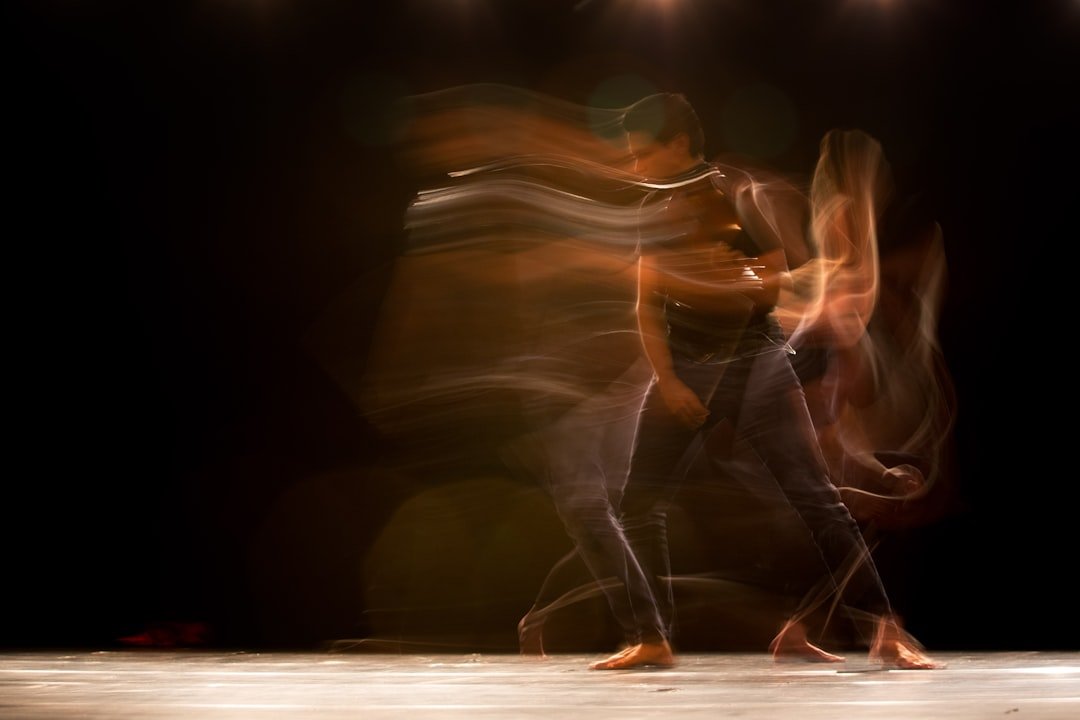
Music is one of the most powerful tools in a dance improviser’s toolkit, and learning to use it intentionally can elevate your practice significantly.
Experiment with these approaches:
- Contrast the music: If the music is fast and chaotic, try moving in slow, deliberate gestures. This creative tension produces fascinating and unexpected movement.
- Follow the texture, not the beat: Instead of matching rhythm, respond to the sonic texture — the warmth of a cello, the sharpness of a snare, the spaciousness of reverb.
- Use silence as an instrument: Allow yourself to pause and hold stillness during musical gaps. Stillness in improvisation is as powerful as movement.
If you’re looking for high-quality sound at home, a Bluetooth speaker like the JBL Flip or Charge series delivers rich audio that genuinely enhances how music lands in your body during practice.
Common Challenges in Free Dance Improvisation (And How to Overcome Them)
Almost every improvisation practitioner faces the same roadblocks. Here’s how to move through them:
“I Feel Ridiculous”
This is the most common barrier, and it’s completely normal. The antidote? Privacy and repetition. Practice alone, close the curtains if you need to, and commit to showing up without judgment. The self-consciousness fades, usually faster than you’d expect.
“I Keep Doing the Same Moves”
We all have habitual movement patterns — a default way of turning, a go-to arm gesture. Noticing them is the first step. Then deliberately choose to do the opposite: if you always move standing up, try the floor; if you use your arms constantly, try isolating the torso.
“I Don’t Know If I’m Doing It Right”
There is no “right” in free improvisation — and that’s the whole point. Reframe the question: instead of asking “Am I doing this correctly?” ask “Am I fully present in this moment?” That shift in focus is everything.
Conclusion: Your Next Step Into Freer Movement
Free dance improvisation is one of the most accessible, rewarding, and transformative practices available to dancers at any level. You don’t need formal training, expensive classes, or a perfect space. You need curiosity, a willingness to be imperfect, and a commitment to showing up for yourself on the dance floor — even if that floor is your living room.
Start with just one of the beginner exercises above today. Put on a song that moves you, clear some space, and let your body lead. Trust what comes up. Notice what surprises you.
Ready to go deeper? Explore our other guides on somatic movement practices, beginner contemporary dance, and building a home dance studio — and drop a comment below sharing what came up in your first improvisation session. We’d love to hear how it goes.