A wall-mounted ballet barre is the cornerstone investment for any serious home dance studio. Unlike freestanding barres that wobble and shift during vigorous barre work, a properly installed wall-mounted barre provides the stable, fixed support that professional dancers train on — enabling you to practice with full confidence through every battement, fondu, and grand plié.
Quick Comparison
| Product | Best For | Rating | Ideal For | Price |
|---|---|---|---|---|
| BarreAnywhere Single | Best Overall | ⭐ 4.7/5 | Home studio solo practice | Check Price |
| Pro Series Double Barre | Best Double Barre | ⭐ 4.7/5 | Professional home studio | Check Price |
| VitaVibe Single Barre | Best Classic | ⭐ 4.7/5 | Traditional ballet studios | Check Price |
| VitaVibe Double Barre | Best VitaVibe Double | ⭐ 4.8/5 | Full professional setup | Check Price |
| Studio Kit Complete | Best Complete Kit | ⭐ 4.6/5 | New studio builds | Check Price |
| Marty’s Fitness Barre | Best Budget | ⭐ 4.5/5 | Budget home studios | Check Price |
| Estilo Studio Barre | Best Aesthetic | ⭐ 4.6/5 | Stylish home studios | Check Price |
Individual Product Reviews
1. BarreAnywhere Wall-Mounted Barre — Best Overall
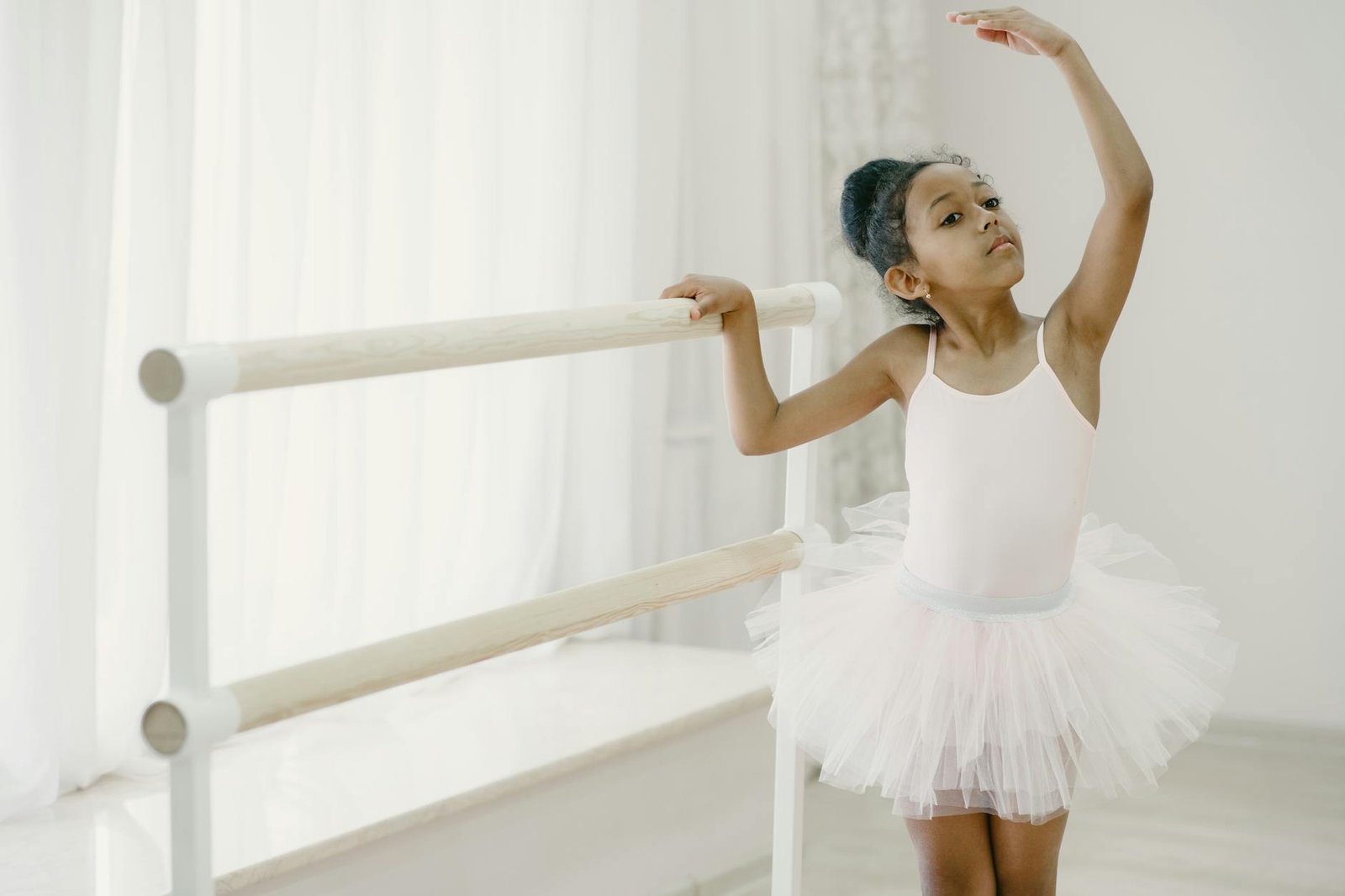
The BarreAnywhere wall-mounted barre earns the top overall spot with a combination of professional-grade hardware, thoughtful design details, and a price point that suits most home studio budgets. The 1.5-inch diameter steel bar is the professional standard — thick enough to grip comfortably during both light touch tendu work and firm support in grand plié.
Key Features:
- 1.5-inch diameter professional steel bar
- Heavy-duty wall brackets with stud-finder marks
- Adjustable height positioning
- Available in single and double configurations
- Multiple length options (3, 4, 5, 6 ft)
Pros:
- Professional diameter and feel identical to studio barres
- Adjustable height accommodates different technique requirements
- Solid wall bracket system — zero wobble once installed
Cons:
- Requires stud mounting — cannot install on drywall alone
- Professional installation recommended for maximum security
2. Pro Series Double Ballet Barre — Best Double
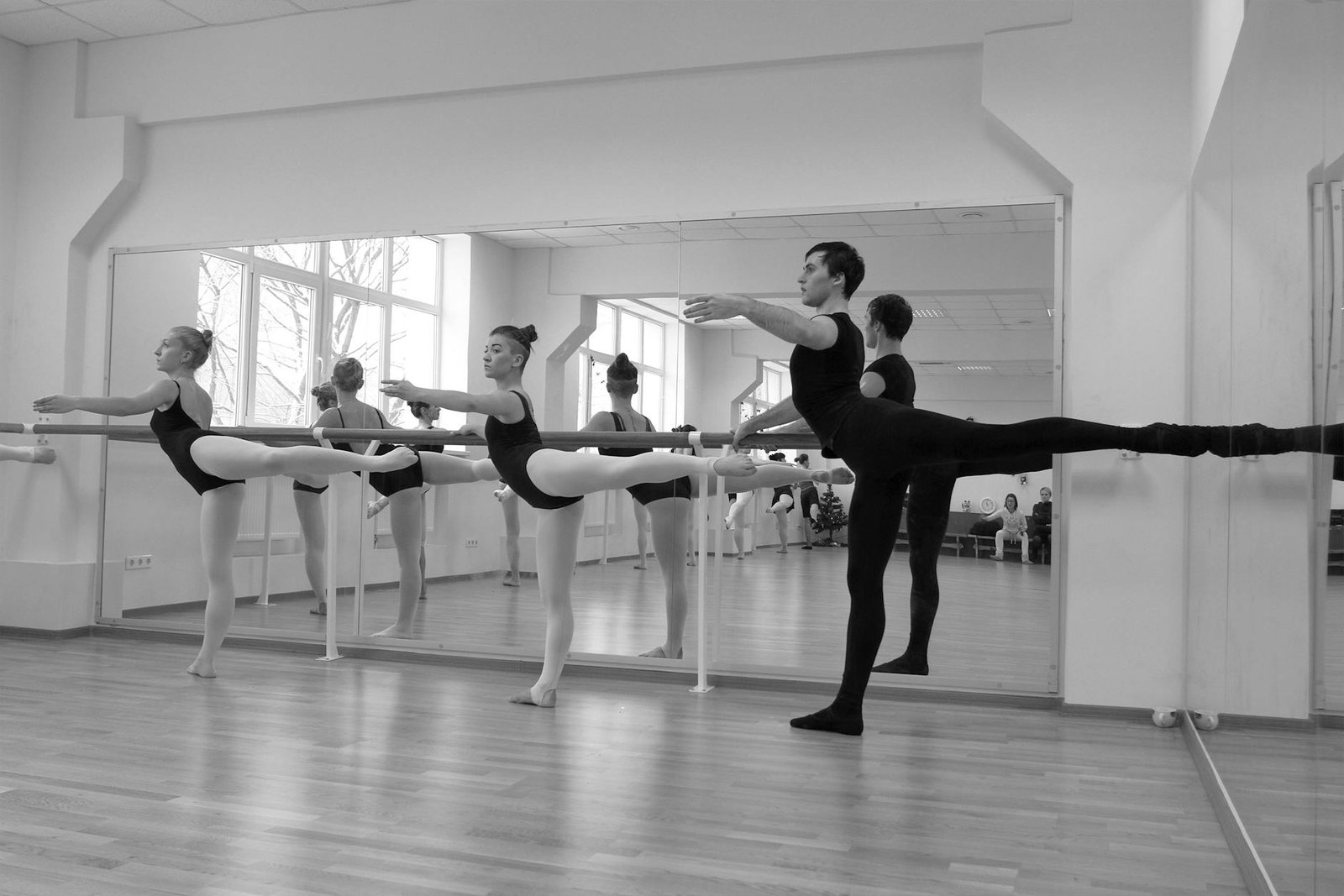
The Pro Series double barre installs two bars at different heights simultaneously — replicating the professional studio setup where dancers use the lower barre for stretching and the upper barre for standard barre work. The double configuration is essential for teachers who work with students of different heights, or for individual dancers who want maximum flexibility in their training.
Key Features:
- Dual-bar configuration at two heights
- Professional 1.5-inch steel bars
- Shared bracket system for space efficiency
- Accommodates dancers of different heights
- Professional-studio appearance
Pros:
- Two bars in one installation footprint
- Height flexibility for different exercises and dancer statures
- Professional appearance matches commercial studio installations
Cons:
- More complex installation than single bar
- Higher investment than single bar options
3. VitaVibe Single Barre — Best Classic
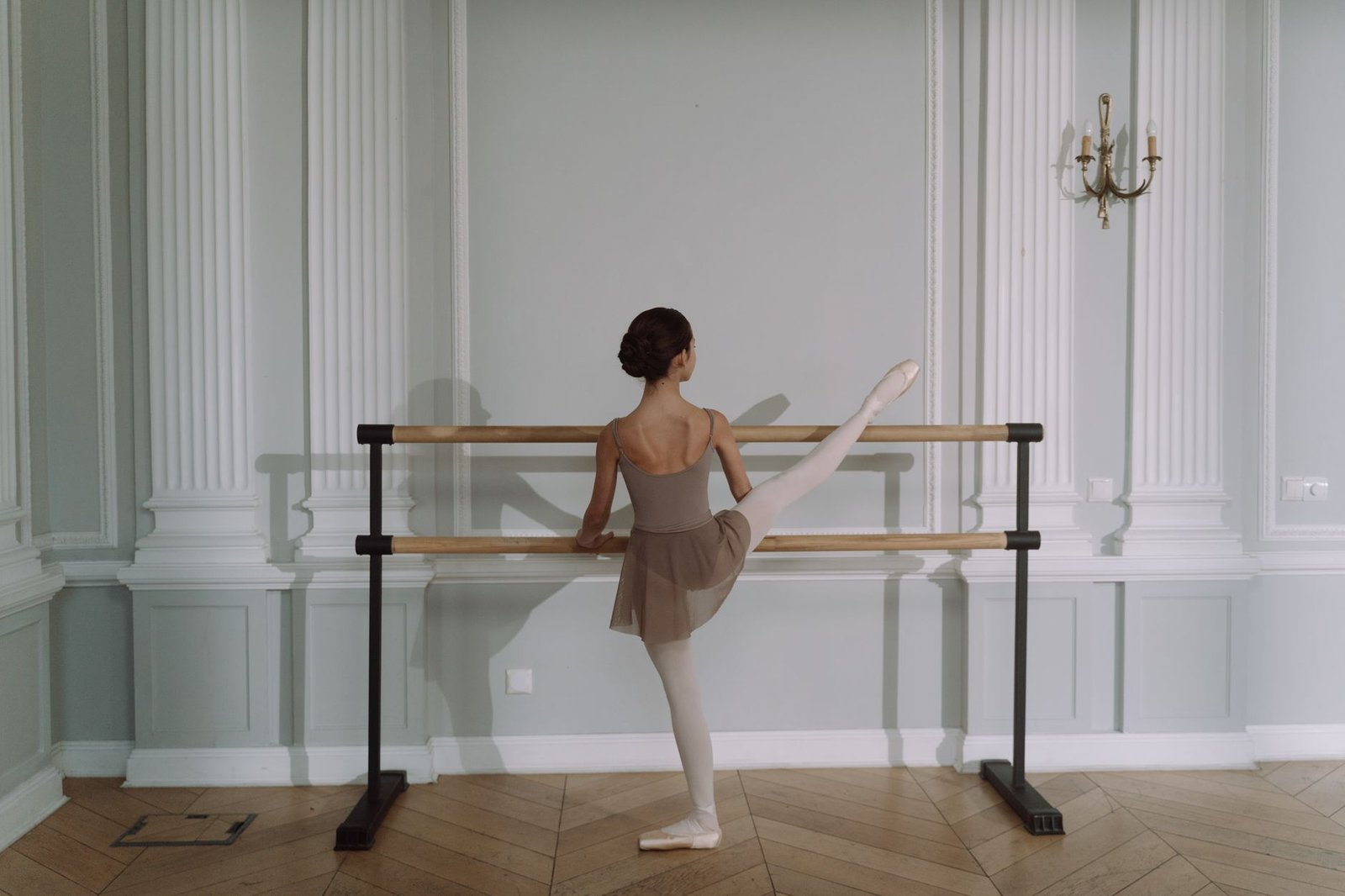
The VitaVibe single barre is the classic choice trusted by dance teachers for decades. VitaVibe’s all-metal construction uses the same gauge steel as commercial studio installations, and the straightforward bracket design has been refined over years of production into a clean, reliable system that goes up quickly and stays solid indefinitely.
Key Features:
- All-metal commercial-grade construction
- Classic bracket design proven over decades
- 1.5-inch diameter bar
- Available in wood and metal finish options
- Multiple lengths available
Pros:
- Proven reliability over many years of production
- Commercial-grade steel withstands heavy daily use
- Wood finish option provides warm, traditional studio aesthetic
Cons:
- Less adjustable than newer designs
- Wood finish requires occasional maintenance
4. VitaVibe Double Barre — Best Double Bar Value
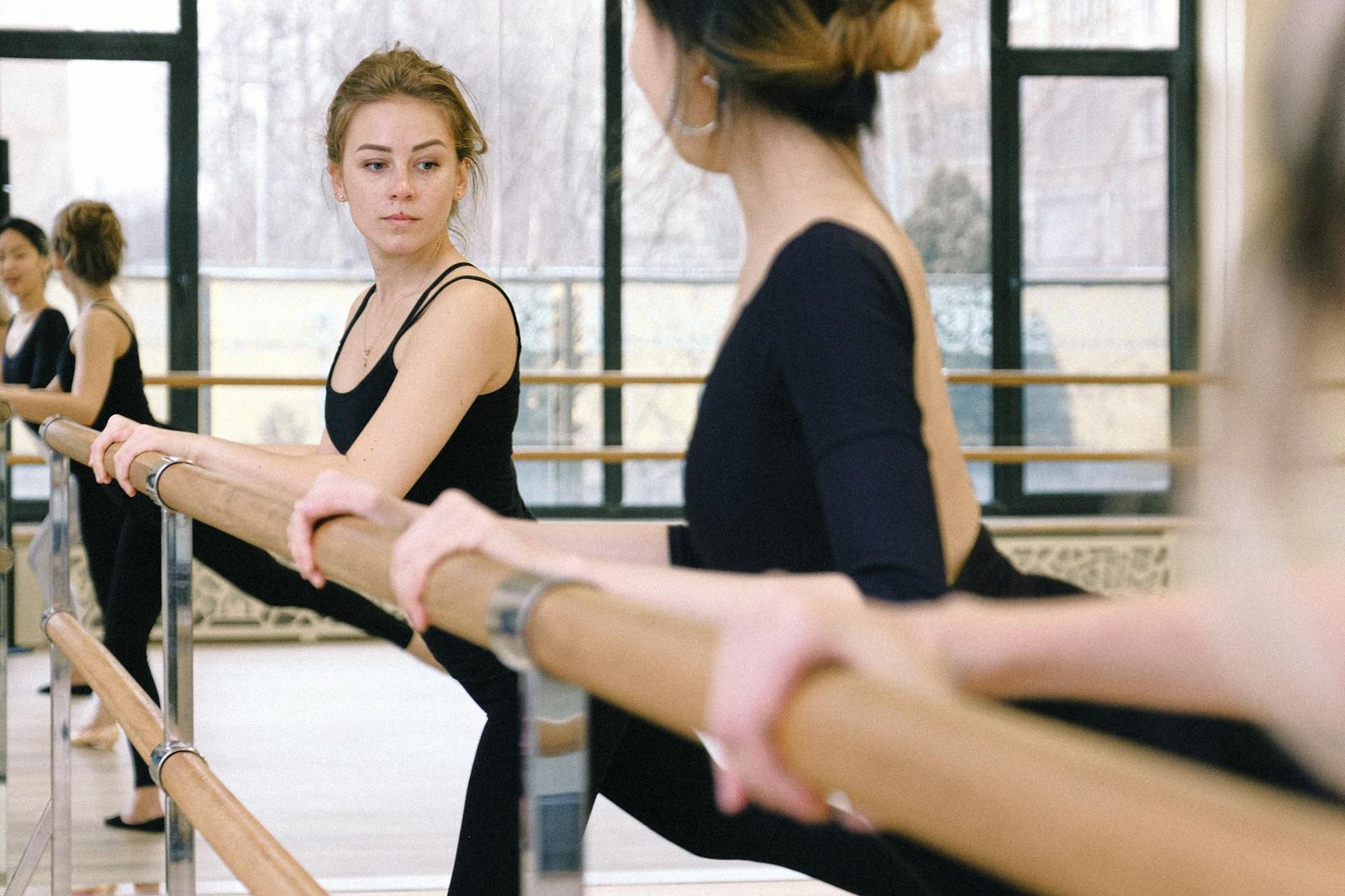
The VitaVibe double barre brings VitaVibe’s reliable construction to the double-bar format at a price that makes the professional double-barre setup accessible to home studios. Two bars at professional heights, VitaVibe’s trusted hardware, and multiple length options make this the best value double-barre installation available.
Key Features:
- VitaVibe commercial-grade construction
- Dual bars at professional heights
- All-metal bracket system
- Multiple length configurations
- Available in wood rail option
Pros:
- VitaVibe reliability at the double-barre configuration
- Best value double-barre for the quality level
- Trusted brand with long production history
Cons:
- Installation requires careful stud location planning
- Heavier than single-bar option
5. Complete Studio Barre Kit — Best Complete Kit
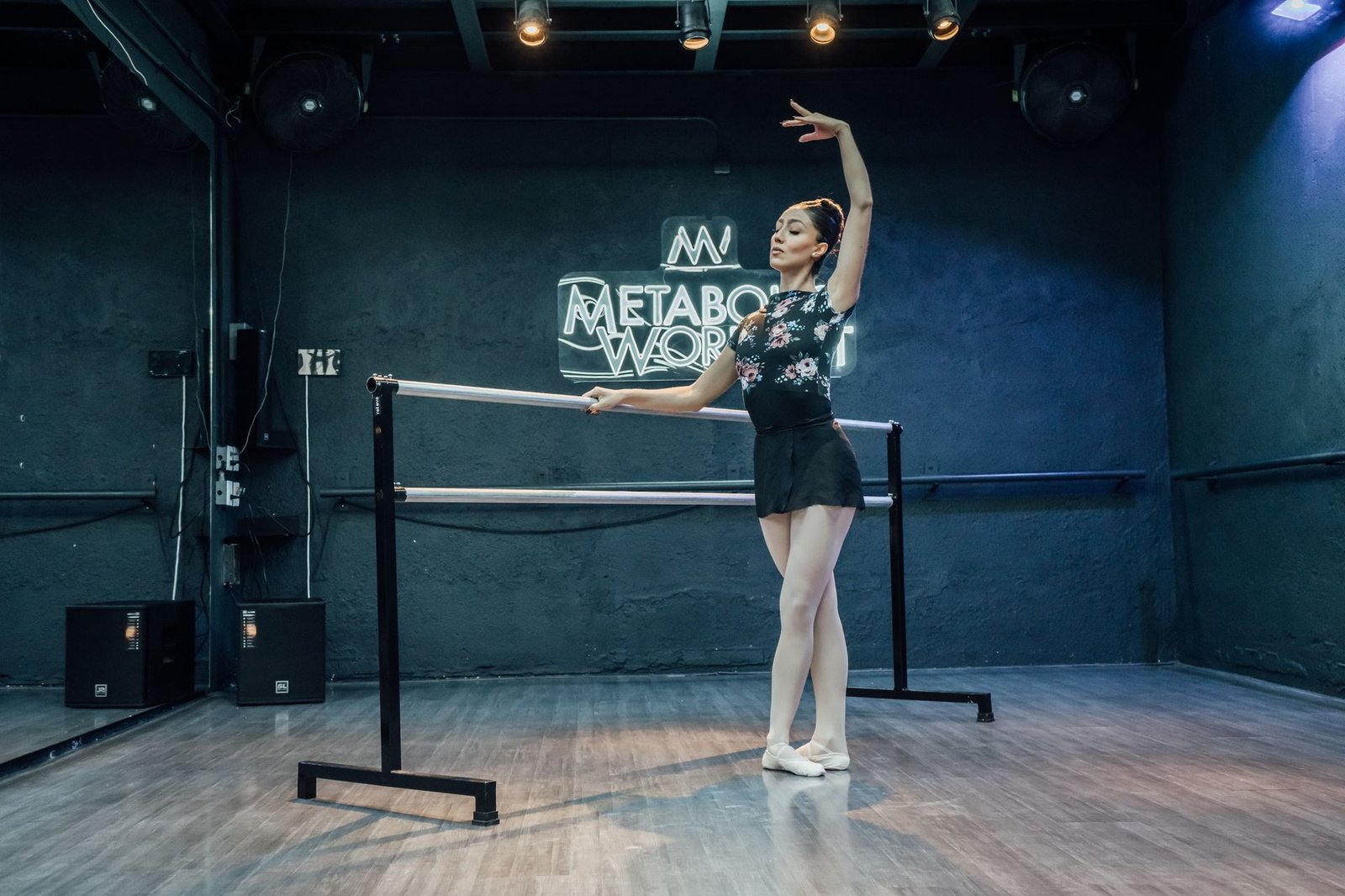
The complete studio barre kit includes everything needed for a full wall installation — bar, brackets, hardware, and installation guide — in a single purchase. For first-time home studio builders who don’t want to source each component separately, this kit eliminates the guesswork and ensures all pieces are compatible.
Key Features:
- Complete kit: bar, brackets, and all hardware
- Installation guide included
- Compatible components guaranteed
- Multiple size options
- Ready for immediate installation
Pros:
- Everything in one purchase — nothing missing on installation day
- Compatible components eliminate fitment guesswork
- Clear installation guide makes DIY accessible
Cons:
- Kit format limits individual component customization
- May include more hardware than needed for some installations
6. Marty’s Fitness Wall Barre — Best Budget
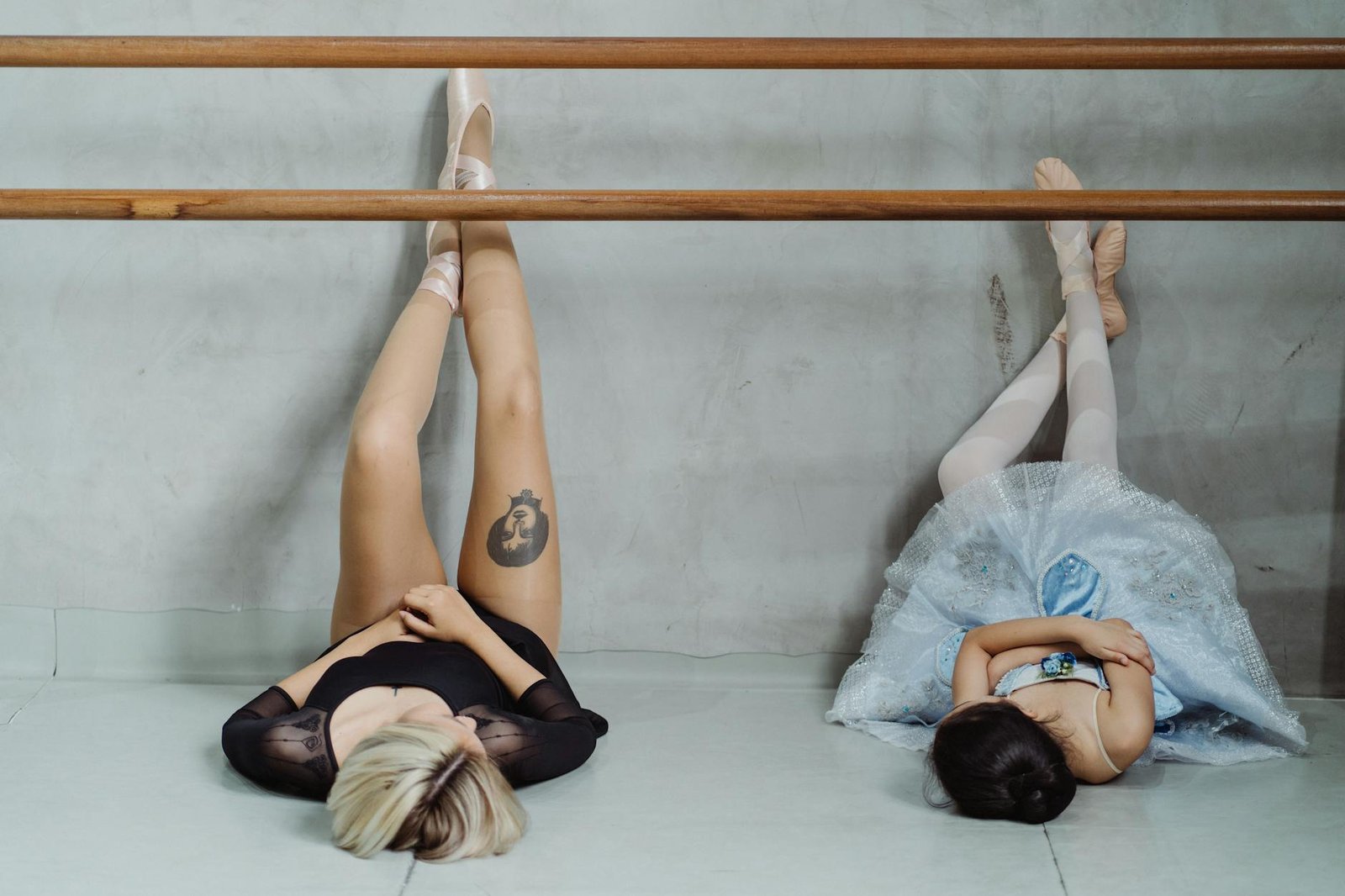
The Marty’s Fitness wall barre delivers a functional wall-mounted barre at a price point that makes the home barre setup accessible to dancers who are just starting out or working with limited budgets. Steel construction provides reliable support, and the installation process is straightforward for most DIY skill levels.
Key Features:
- Steel bar construction
- Standard wall bracket system
- Multiple length options
- Budget-friendly price
- Adequate for regular home practice
Pros:
- Best price point for a wall-mounted steel barre
- Functional quality for home practice use
- Good starting point before upgrading to professional options
Cons:
- Build quality lower than professional options
- Limited length and configuration options
7. Estilo Studio Barre — Best Aesthetic
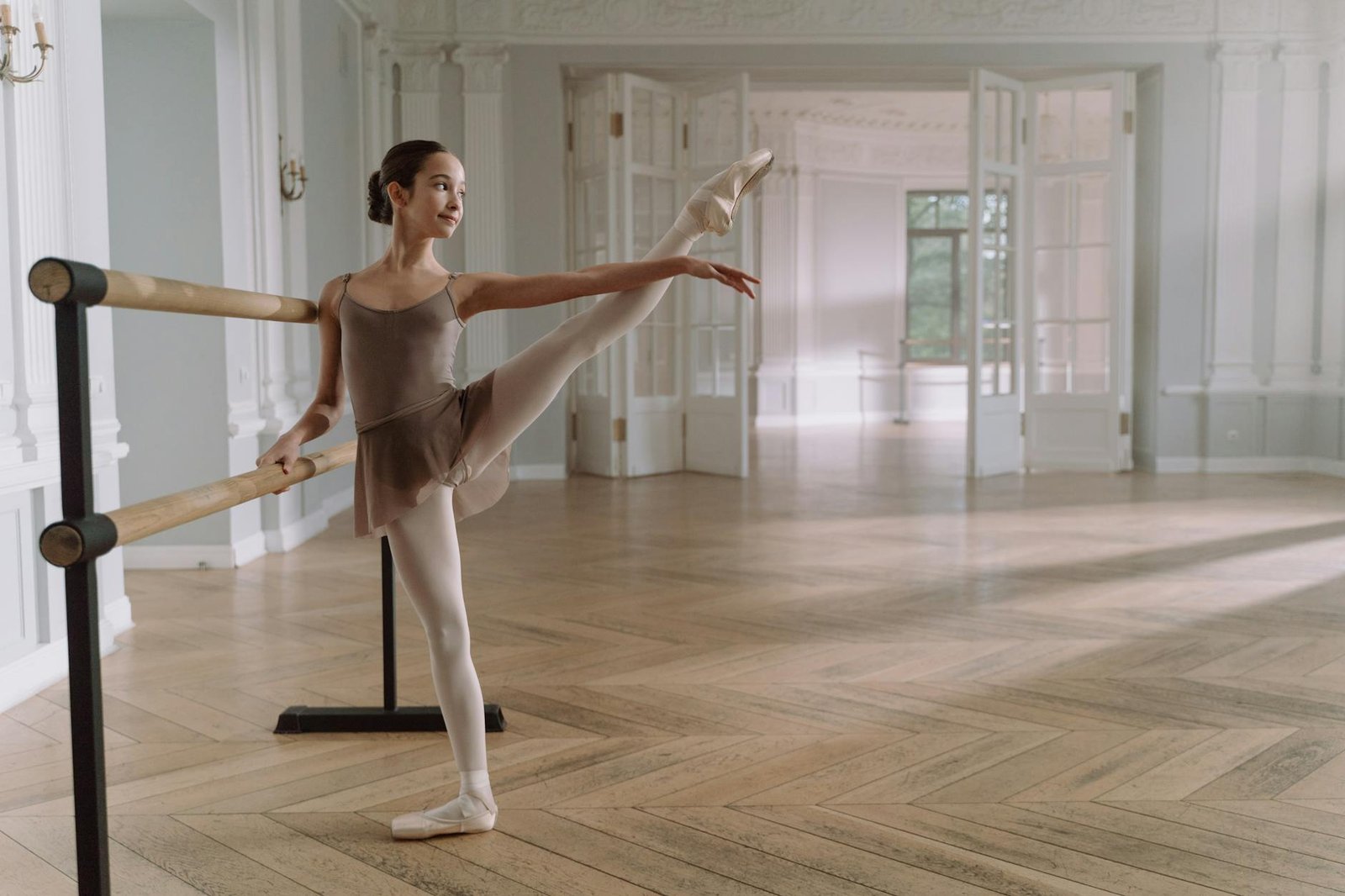
The Estilo Studio barre prioritizes the visual quality of the home studio alongside functional performance. Its clean bracket design and finish options integrate seamlessly with modern interior design, making the barre look like a deliberate architectural feature rather than an afterthought. Functional quality matches the aesthetics.
Key Features:
- Designed for visual integration with home interiors
- Multiple finish options
- Professional 1.5-inch bar diameter
- Clean minimal bracket design
- Multiple length options
Pros:
- Most attractive wall barre for design-conscious home studios
- Functional professional quality beneath the elegant appearance
- Finish options match various interior design schemes
Cons:
- Aesthetic focus adds cost over purely functional options
- Some finishes require careful maintenance to preserve appearance
You might also like:
Buying Guide: How to Choose Wall-Mounted Ballet Barres
Single vs. Double Barre Configuration
Single barres are appropriate for adult studios with uniformly sized dancers. Double barres allow multiple height positions — the lower barre accommodates children and shorter adults at 80–85cm height, while the upper barre serves taller students at 100–105cm. For mixed-age or mixed-height studio environments, a double barre is the professional standard and eliminates the need for separate single barres at different heights. The cost difference between single and double configurations is minimal compared to the benefit of serving all your students correctly.
Barre Diameter and Material
Standard professional barre diameter is 1.5 inches (38mm). Thinner than 1.25 inches creates grip fatigue and reduces control during barre exercises. Thicker than 1.75 inches impedes proper hand position for young or small-handed dancers. Hardwood barres (maple, birch) have a natural warmth and slight texture that provides excellent grip without slipping. Stainless steel barres are more durable but cold in cool studios. Pine barres exist but are soft enough to dent and scratch under regular use — avoid for studio installation.
Mounting Hardware and Wall Requirements
A loaded barre during a class of dancers pushing down during grand pliés or leaning during stretching creates significant force on the mounting hardware. Barres must mount into wall studs — drywall anchor installation alone is dangerous and will fail. Determine your wall stud spacing before purchasing and ensure the barre bracket spacing matches stud locations. For concrete or masonry walls, appropriate masonry anchors are required and may necessitate a professional installation. Never assume standard bracket spacing matches your specific wall layout.
Length and Studio Coverage
Standard wall barre sections come in 3-foot, 4-foot, 6-foot, and 8-foot lengths, often combined to cover the full studio wall. Calculate how many dancers your barre must serve: professional guidelines recommend 1.5–2 feet of barre space per dancer to allow safe arm extension during exercises. For a class of 10 dancers, 15–20 feet of barre is the correct allocation. Short barres that force dancers to work within each other’s personal space create safety hazards during développé and grand battement exercises.
Frequently Asked Questions
Q: What height should a ballet barre be installed at?
A: For adults, the standard height is the dancer’s hip height — approximately 38–42 inches from the floor for average adult women, slightly higher for tall adults. For children, 28–32 inches is typical. The ideal grip position is hip height with a slightly bent elbow — too low requires a compensating forward lean that affects posture, and too high forces the shoulder into an elevated position. Install a double barre to serve both adult and child heights simultaneously.
Q: How much weight can a wall-mounted ballet barre support?
A: Professional ballet barres mounted correctly into wall studs support 300–500 pounds of distributed load — well beyond what any normal barre work creates. The concern is not total weight capacity but mounting quality. A barre incorrectly mounted into drywall only (not studs) can fail at much lower loads — always mount into structural studs or use appropriate masonry anchors in concrete walls.
Q: What is the best wood for a ballet barre?
A: Hard maple is the professional standard — it is dense, splinter-resistant, and maintains a smooth but slightly textured surface that provides excellent grip. Birch is a close alternative at slightly lower cost. Pine is not appropriate for barres — it is too soft and will dent and develop rough patches under daily use. Hardwood barres should be finished with a clear satin coat (not high-gloss, which is slippery) and sanded smooth before installation.
Q: Can I install a ballet barre without professional help?
A: A confident DIY installer with a stud finder, appropriate drill bits, and hardware can install a wall barre safely. The critical steps are: locate studs accurately (use multiple measurement methods, not just a stud finder), use properly rated screws (3-inch minimum into wood studs), and test the installation before class use by applying body weight from multiple directions. When uncertain about wall construction, professional installation is worth the cost for safety.
Q: What is the standard length of a ballet barre for a home studio?
A: For a single dancer’s home studio, an 8-foot (or two 4-foot sections) barre provides enough length to work both sides without repositioning. An 8-foot run allows you to face the barre and do both sides of a combination without moving the starting position. For a 10-foot wall, matching the full wall width gives the most flexibility. Avoid barres shorter than 4 feet — they limit the range of exercises that can be performed safely.
Q: How do I maintain a wooden ballet barre?
A: Wipe down weekly with a barely damp cloth to remove hand oils and rosin accumulation. Never use cleaning products that leave a residue — even small amounts of slip-inducing finish create safety hazards. Annually, lightly sand with 220-grit sandpaper along the grain and apply a thin coat of clear penetrating oil (tung oil or danish oil) to replenish wood moisture and prevent drying cracks. Inspect mounting hardware at the same time and tighten any screws that have loosened.
Final Verdict
The BarreAnywhere offers the best combination of professional quality, adjustability, and accessible pricing for most home studio builds. For a complete professional double-barre setup, the VitaVibe double barre is the trusted standard. First-time studio builders will appreciate the all-inclusive complete studio kit.