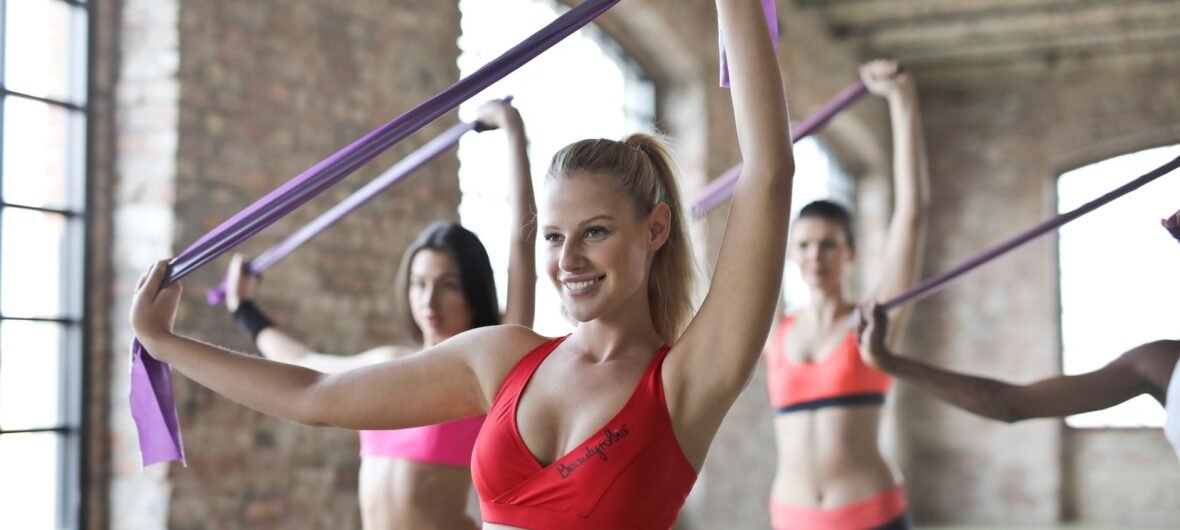
Resistance bands are among the most underrated training tools in a dancer’s arsenal. Unlike weights, which build bulk, resistance bands build the long, lean functional strength that dance demands — stronger foot arches, more controlled turnout, improved hip stability, and deeper, more stable splits. They are lightweight, pack flat into any dance bag, and can turn a hotel room or living room into a complete conditioning studio.
We tested and reviewed six of the best resistance bands designed specifically for dancers, covering everything from foot stretch bands to full-leg conditioning sets. Whether your goal is improving your pointe, strengthening your hips, or working toward a full split, this guide will help you find the right tool.
Quick Comparison: Best Resistance Bands for Dancers (2026)
| Product | Category | Rating | Best For | Price |
|---|---|---|---|---|
| EverStretch Ballet Stretch Band – Patented for Feet and Legs | Best Overall for Ballet | ⭐ 4.6/5 | Ballet dancers wanting a thick durable hands-free stretch band | Check Price |
| Kinetic Bands Dance Leg Resistance Bands for Women | Best for Hip and Leg Conditioning | ⭐ 4.4/5 | Dancers wanting leg and hip conditioning during class or rehearsal | Check Price |
| Zenmarkt Ballet Stretch Bands – 20-40 lb Resistance | Best Strong Resistance | ⭐ 4.4/5 | Dancers wanting medium to heavy resistance for splits and foot arch work | Check Price |
| Premium Stretch Bands for Dancers – Splits, Arch, Turnout Training | Best All-Purpose Dance Band Set | ⭐ 4.5/5 | Dancers wanting bands targeting splits, foot arch, and turnout | Check Price |
| DYNWAVE Instep Elastic Band for Dancers | Best for Foot Arch | ⭐ 4.3/5 | Dancers wanting an instep-specific foot stretch resistance band | Check Price |
| TheraBand Professional Resistance Band | Best Physical Therapy Grade | ⭐ 4.7/5 | Dancers wanting professional physical therapy-grade resistance bands | Check Price |
Detailed Reviews
1. EverStretch Ballet Stretch Band – Patented for Feet and Legs
Best for: Ballet dancers wanting a thick durable hands-free stretch band | ⭐ 4.6/5
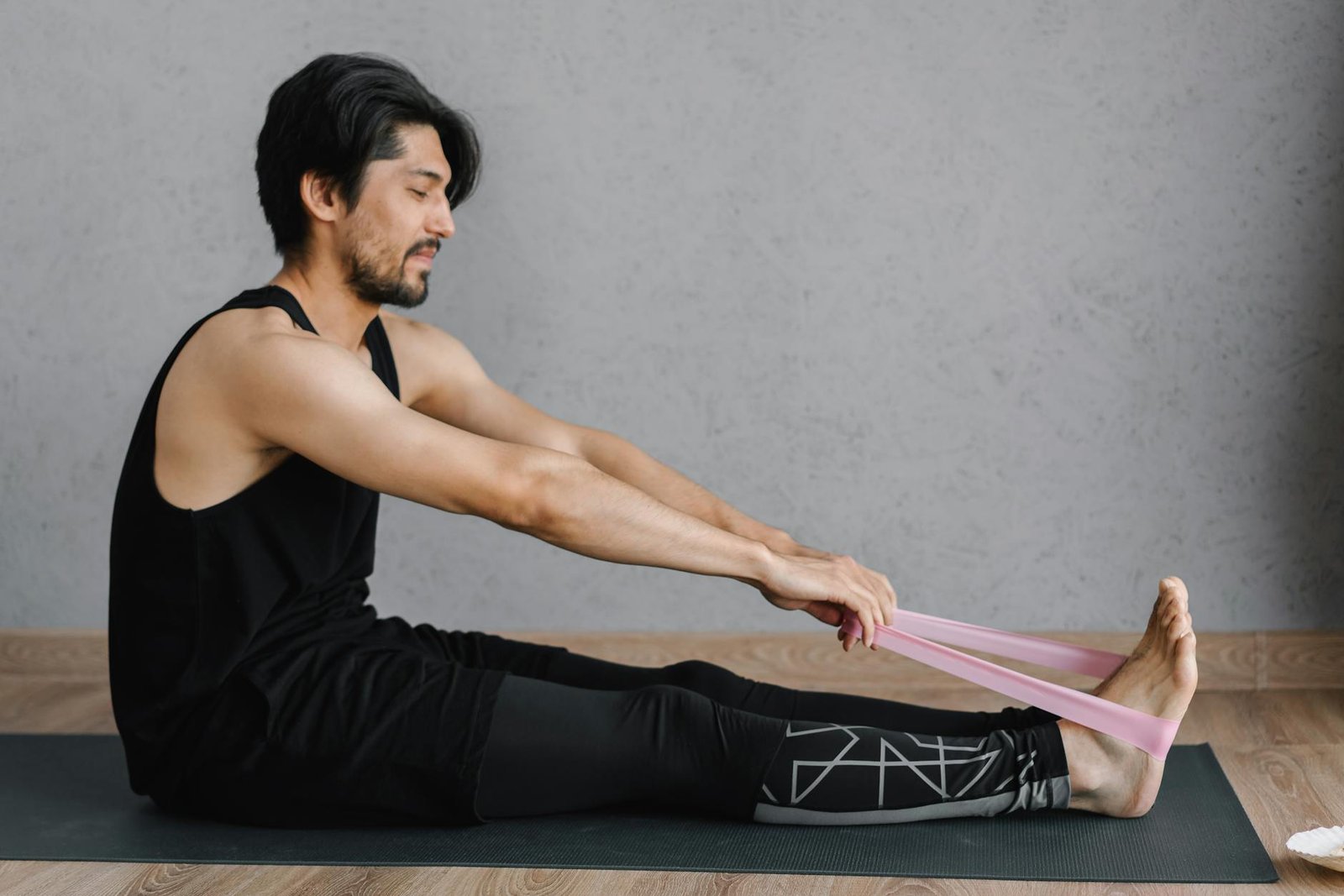
The EverStretch Ballet Stretch Band is purpose-built for ballet and dance conditioning. The patented design includes foot loops and ankle loops so you can stretch feet, ankles, and arches without holding the band manually — freeing you to focus on alignment and muscle control. The thick latex construction provides durable medium resistance that challenges pointe development without overstressing tendons. Dance teachers frequently recommend this band for students working to improve foot articulation and arch strength.
Pros
- ✓ Patented loop design allows hands-free foot and ankle stretching
- ✓ Thick latex is durable and holds resistance through extended use
- ✓ Foot and ankle loops encourage proper alignment during stretching
Cons
- ✗ Latex material is not suitable for dancers with latex allergies
- ✗ Single resistance level — no set of graduated tensions
2. Kinetic Bands Dance Leg Resistance Bands for Women
Best for: Dancers wanting leg and hip conditioning during class or rehearsal | ⭐ 4.4/5
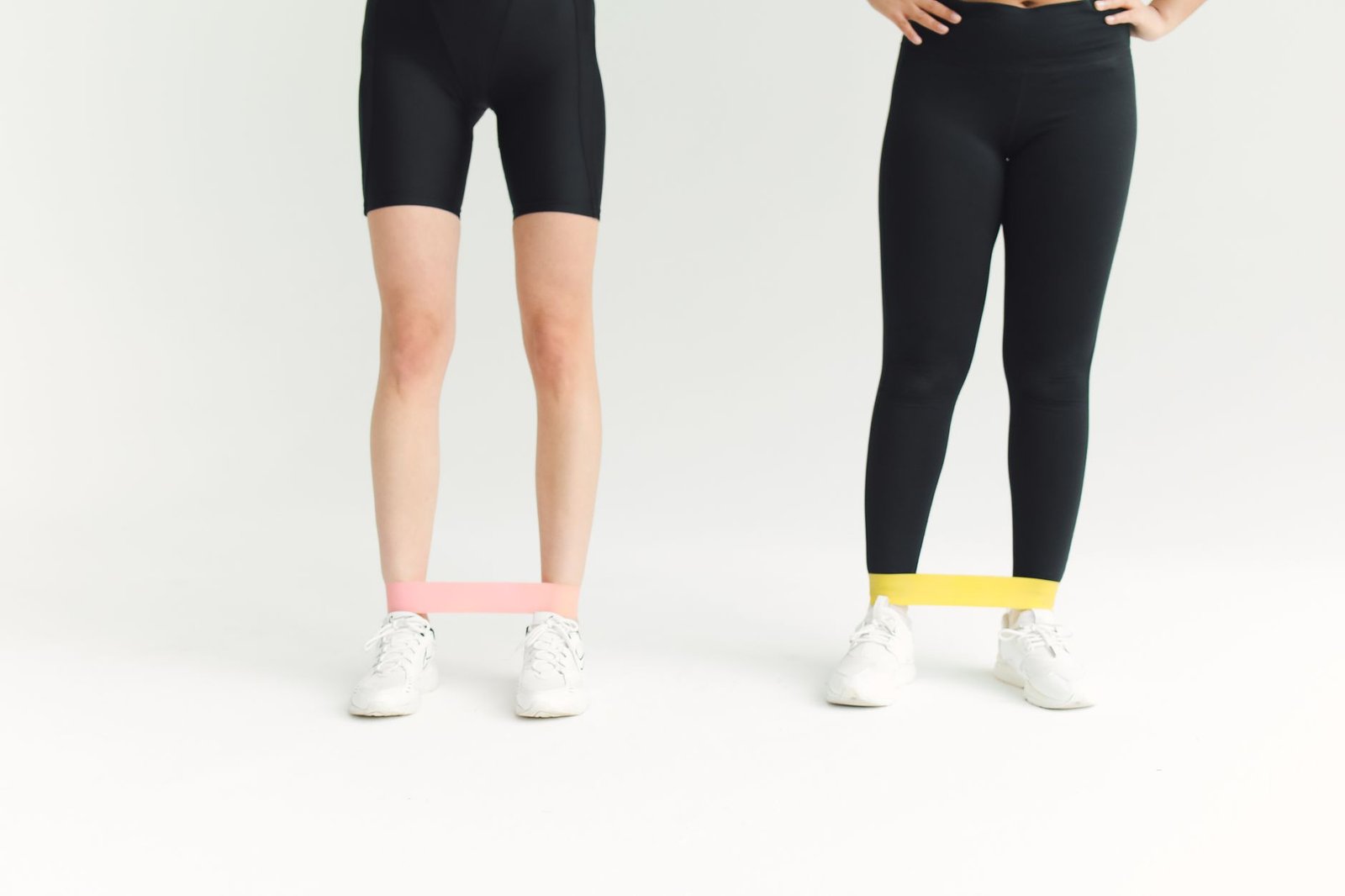
Kinetic Bands are designed to be worn during warm-up and class, wrapping around the upper thighs to add resistance to developpes, battements, and turnout exercises. The set includes two bands with adjustable clips, allowing use across a range of leg sizes. Wearing them during barre work engages the gluteus medius and hip rotators more deeply than unresisted exercises, which builds the hip stability that protects against injury. Ballet and contemporary dancers who want to accelerate strength gains without leaving the studio should try this approach.
Pros
- ✓ Wearable during class — adds resistance to existing exercises
- ✓ Hip and gluteus medius activation improves turnout stability
- ✓ Adjustable clips accommodate a range of leg sizes
Cons
- ✗ May feel restrictive during grand allegro or jumps — remove for full class use
- ✗ Some dancers find clip attachment can shift during class
3. Zenmarkt Ballet Stretch Bands – 20-40 lb Resistance
Best for: Dancers wanting medium to heavy resistance for splits and foot arch work | ⭐ 4.4/5
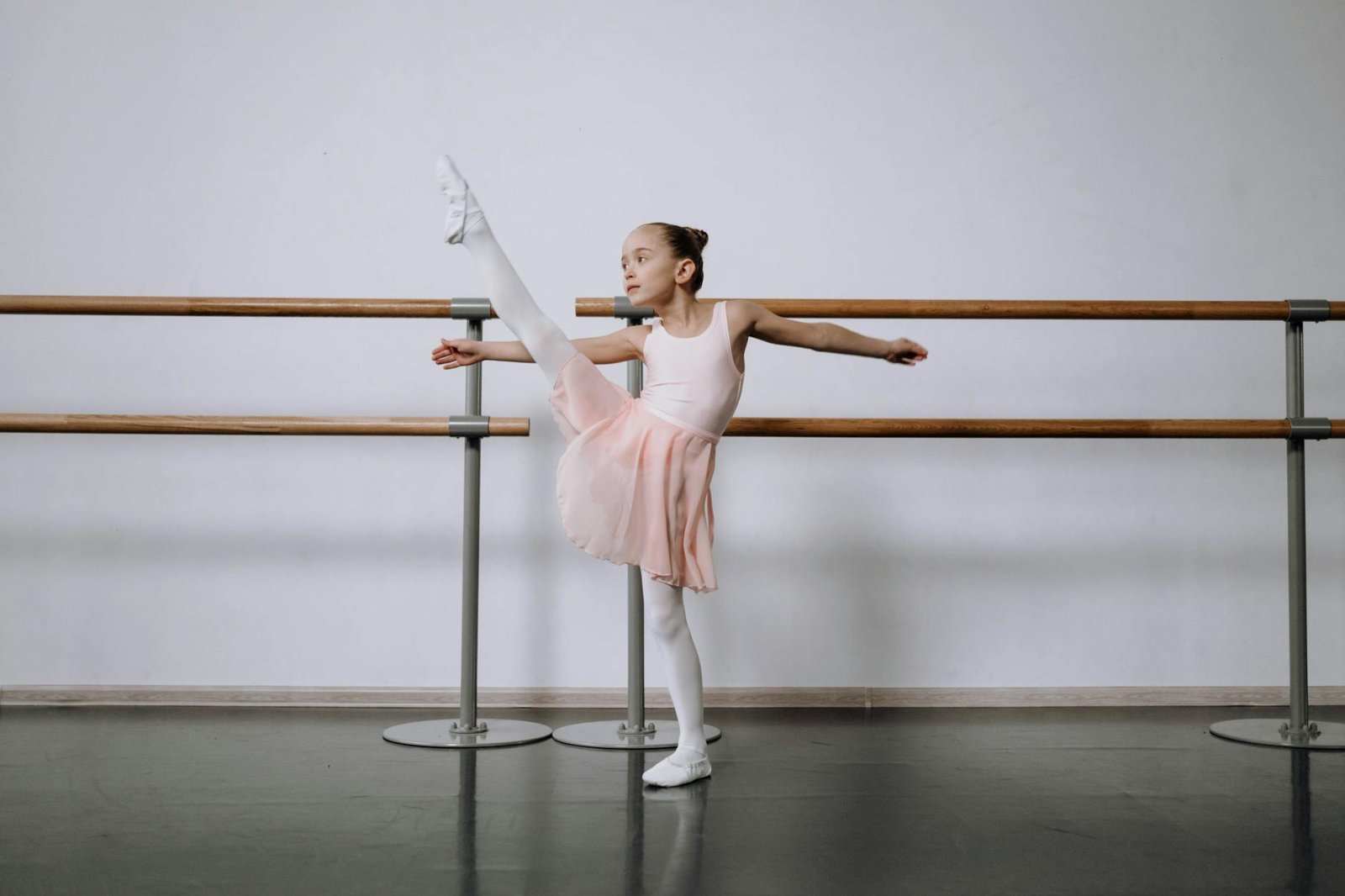
Zenmarkt ballet stretch bands offer more resistance than most dance bands on the market, with a range of 20–40 lbs that provides a real challenge even for strong, experienced dancers. The thick flat band design is stable during foot arch exercises and does not snap or roll the way thin circular bands can. Gymnasts and competitive dancers who are actively working toward advanced flexibility — full splits, high extensions, and over-splits — will find this band delivers the resistance needed to make progress quickly.
Pros
- ✓ 20-40 lb resistance provides genuine challenge for advanced dancers
- ✓ Flat band stays stable without rolling during footwork exercises
- ✓ Suitable for gymnasts and competitive dancers seeking maximum flexibility gain
Cons
- ✗ Too heavy for beginners or those new to band training
- ✗ Flat band is less portable than loop designs
4. Premium Stretch Bands for Dancers – Splits, Arch, Turnout Training
Best for: Dancers wanting bands targeting splits, foot arch, and turnout | ⭐ 4.5/5
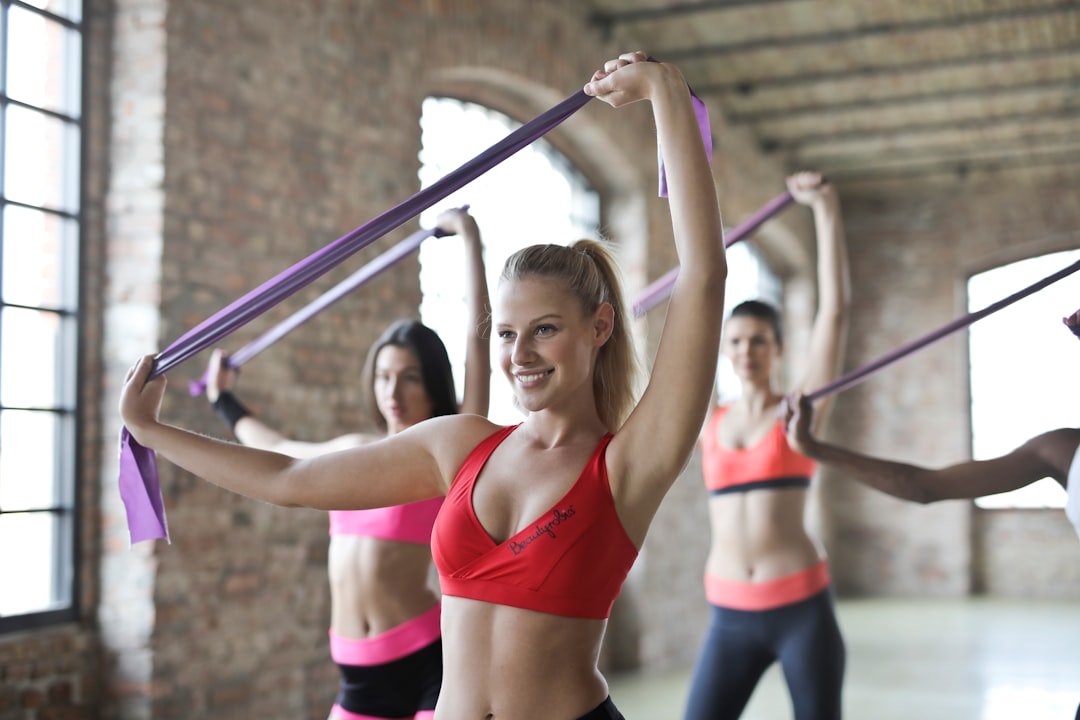
This premium stretch band set is specifically designed with dancer training in mind, covering the three key conditioning areas: splits development, foot arch strengthening, and turnout activation. The set includes multiple bands of varying resistance, allowing progressive overload as your strength and flexibility develop. Clear illustrated instructions for each exercise are included, making this an excellent self-directed conditioning tool for dancers without access to a personal trainer.
Pros
- ✓ Multi-band set covers splits, arch, and turnout training in one purchase
- ✓ Progressive resistance levels allow conditioning program development
- ✓ Illustrated exercise guide included for self-directed training
Cons
- ✗ Thinner bands in the set wear faster with heavy daily use
- ✗ Guide covers basic exercises — advanced users may want additional resources
5. DYNWAVE Instep Elastic Band for Dancers
Best for: Dancers wanting an instep-specific foot stretch resistance band | ⭐ 4.3/5
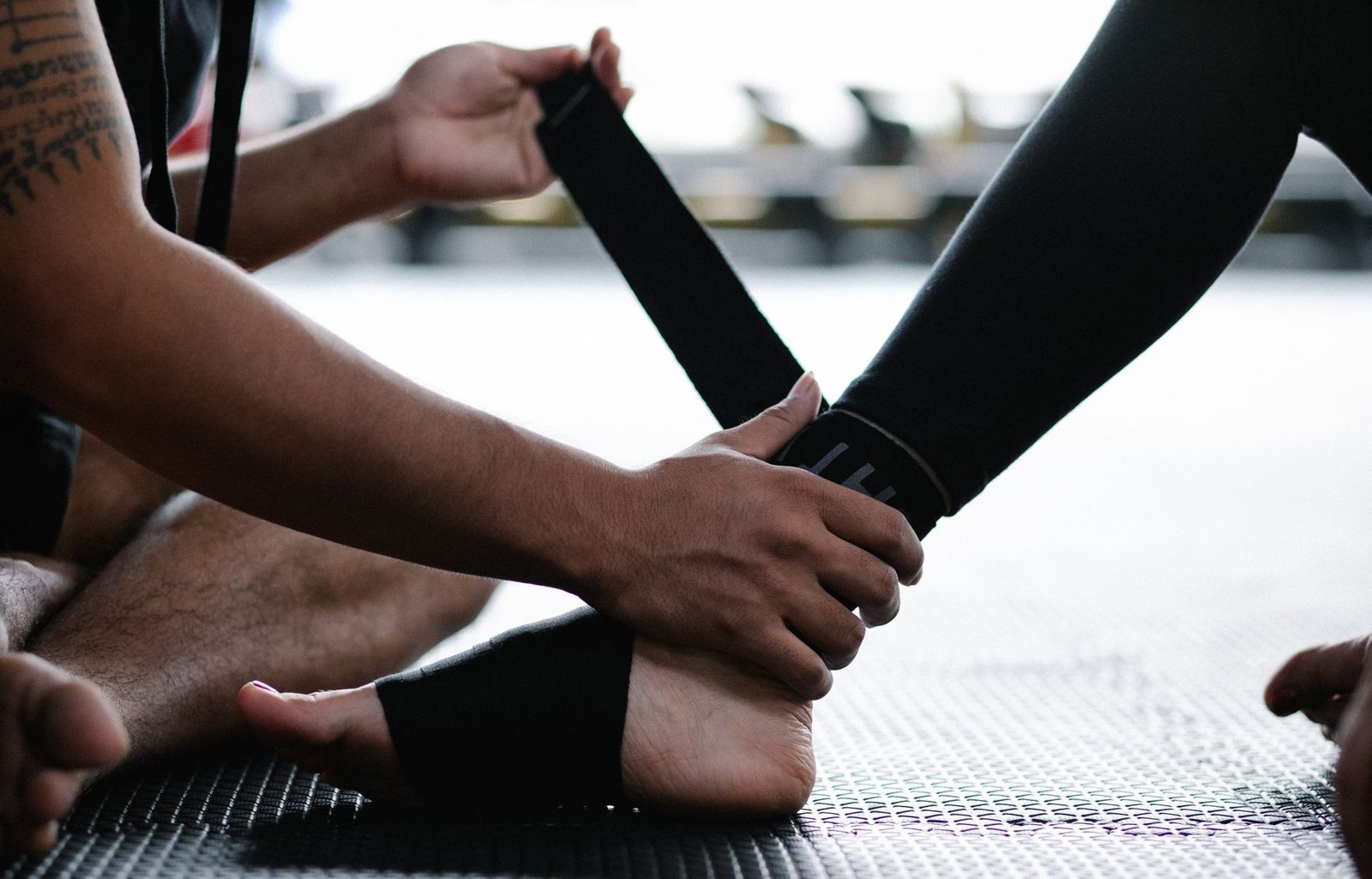
The DYNWAVE Instep Band is a narrowly targeted tool for foot arch development — one of the most critical conditioning elements for ballet and pointe work. The elasticized band wraps around the instep and ankle, providing gentle but consistent resistance during foot flexion and extension exercises. It is particularly useful for dancers who want to maintain arch mobility during off-season periods or rehabilitation after ankle sprains. The compact design fits in any pocket of a dance bag.
Pros
- ✓ Specifically targets instep and foot arch — a critical area for ballet
- ✓ Gentle resistance is appropriate for rehabilitation and maintenance work
- ✓ Compact and lightweight — fits in any dance bag pocket
Cons
- ✗ Too specialized to replace a general-purpose stretch band
- ✗ Limited resistance range compared to multi-band sets
6. TheraBand Professional Resistance Band
Best for: Dancers wanting professional physical therapy-grade resistance bands | ⭐ 4.7/5
TheraBand is the industry standard in professional rehabilitation settings, and their resistance bands are trusted by physical therapists and athletic trainers worldwide. Available in a range of color-coded resistance levels from extra-thin to super heavy, TheraBand allows precise progressive overload for strengthening turnout muscles, hip stabilizers, and ankle plantarflexors. Many dance medicine specialists prescribe TheraBand exercises for injury prevention and rehabilitation. If your teacher or physio recommends resistance band training, TheraBand is almost certainly what they have in mind.
Pros
- ✓ Physical therapy-grade quality trusted by dance medicine professionals
- ✓ Wide range of resistance levels allows genuine progressive overload
- ✓ Latex-free options available for dancers with latex sensitivities
Cons
- ✗ No handles or loops — requires knowing proper band exercise technique
- ✗ Sold by the foot or roll, not as a pre-packaged dancer kit
Buying Guide: What to Look for
Resistance bands for dancers come in several styles. Here is how to choose:
- Loop Bands vs. Flat Bands: Loop bands (circular) are good for hip and glute conditioning. Flat bands (long strips) are more versatile and are the standard in physical therapy settings.
- Resistance Level: Light bands are best for beginners and rehabilitation. Medium bands are ideal for regular conditioning. Heavy and extra-heavy bands challenge advanced strength and flexibility work. Start lighter than you think you need — proper form matters more than resistance level.
- Latex vs. Non-Latex: Most resistance bands are latex. If you or your students have latex sensitivities, TheraBand offers non-latex alternatives.
- Foot-Specific vs. General Purpose: Foot and instep bands (like EverStretch and DYNWAVE) are designed specifically for pointe and arch work. General bands (like TheraBand) are more versatile and cover the full body.
- Key Exercises for Dancers: Foot circles, theraband curls, resistance tendu, hip abduction against a loop band, standing turnout with loop, and calf raises with band resistance.
Frequently Asked Questions
Can resistance bands help improve my pointe?
Yes — consistent resistance band exercises for foot flexors and calf strengthening are one of the most effective ways to improve pointe over time. Daily work of 10-15 minutes produces measurable results within 6–8 weeks.
What color TheraBand is appropriate for dancers?
Most recreational dancers start with yellow (extra-thin) or red (thin). Intermediate dancers use green (medium). Advanced dancers conditioning for performance use blue (heavy). Your physio or teacher can advise based on your specific needs.
Should I stretch before or after class with resistance bands?
Resistance band conditioning for strength is best done after class. Flexibility work with bands can be done either before class (lightly) or after class (more deeply) when muscles are fully warm.
How often should dancers use resistance bands?
Most dance conditioning experts recommend 3–5 times per week for strength work and daily for flexibility maintenance. Recovery days with no band work are important for muscle repair.
Are resistance bands safe for young dancers?
Yes, with supervision. Light-resistance bands are appropriate for students aged 10 and up. Young dancers should focus on proper form rather than resistance level to avoid joint stress.
Final Verdict
For ballet-specific training, the EverStretch Patented Stretch Band is the best investment — its hands-free loop design enables exercises that ordinary bands cannot replicate. Dancers working with a physical therapist or following a structured conditioning program should use TheraBand professional bands, the gold standard of the field. Competitive dancers and gymnasts working toward advanced splits should consider the Zenmarkt 20–40 lb heavy resistance band to push their flexibility further.