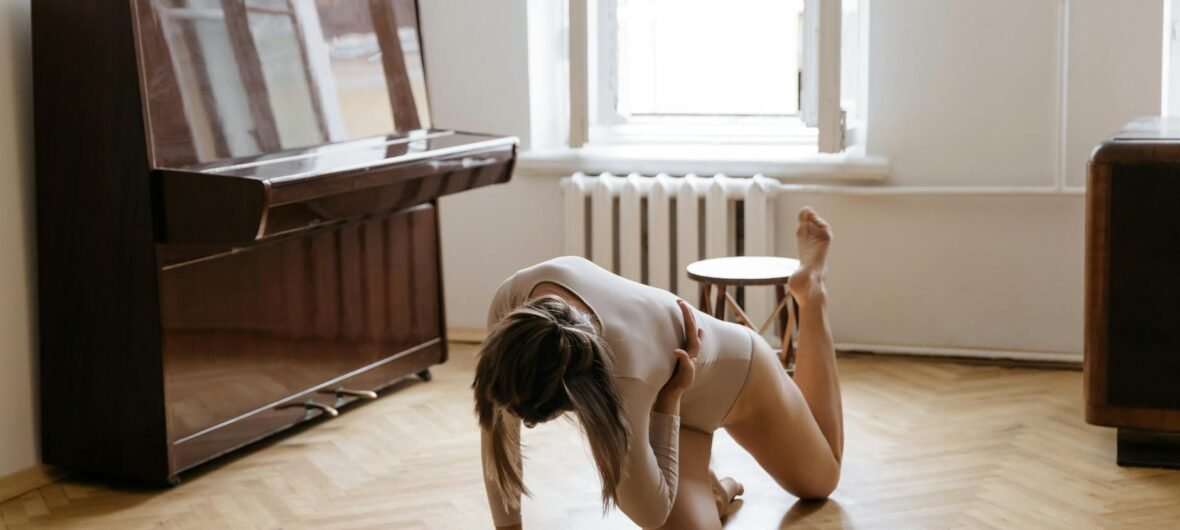
Practicing on the wrong floor surface is one of the most common causes of preventable dance injuries. A portable dance floor gives you a professional, dance-safe surface wherever you train — protecting your joints from hard concrete and giving you the right amount of grip and slip for your technique. We tested these 7 top picks for surface quality, durability, and practicality.
Quick Comparison
| Product | Best For | Rating | Ideal For | Price |
|---|---|---|---|---|
| Rosco Adagio Marley | Best Marley Floor | ⭐ 4.8/5 | Ballet & contemporary | Check Price |
| Greatmats Sprung Floor | Best Sprung Floor | ⭐ 4.7/5 | All dance styles | Check Price |
| Tap Board Practice Floor | Best Tap Board | ⭐ 4.6/5 | Tap dance practice | Check Price |
| Greatmats Vinyl Dance Tile | Best Tile System | ⭐ 4.6/5 | Modular home studios | Check Price |
| Dollamur Flexi-Roll | Best Roll-Out | ⭐ 4.7/5 | Gymnastics & dance | Check Price |
| IncStores Dance Tile | Best Budget Tile | ⭐ 4.5/5 | Budget home studio | Check Price |
| Athletic Connection Floor | Best Athletic | ⭐ 4.5/5 | Multi-use studio spaces | Check Price |
Individual Product Reviews
1. Rosco Adagio Marley Floor — Best Marley
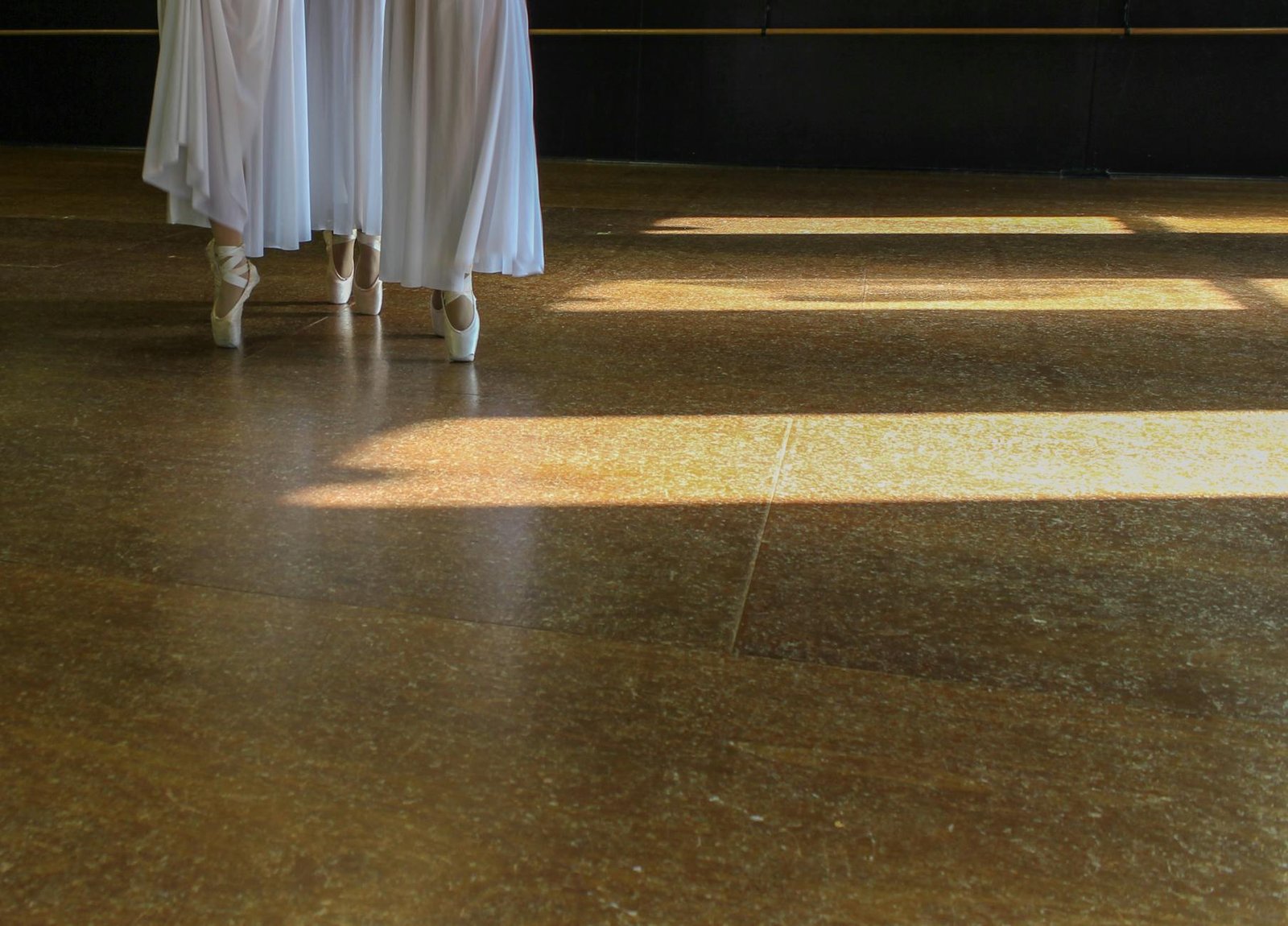
The Rosco Adagio marley floor is the industry standard used in professional ballet companies and conservatories worldwide. Its precise surface formulation provides the exact combination of grip and slide that classical ballet and contemporary technique demands — enough traction for controlled movement, enough slip for smooth bourées and turns.
Key Features:
- Professional marley vinyl formulation
- Industry standard at professional ballet companies
- Rolls up for transport and storage
- Available in multiple widths and lengths
- Consistent surface across the entire roll
Pros:
- The surface that professional dancers train on — nothing else compares
- Perfect grip/slip balance for ballet and contemporary
- Rolls up and fits in a standard car for studio-to-studio use
Cons:
- Premium price — significant investment
- Requires tape to secure seams when using multiple rolls
2. Greatmats Sprung Dance Floor — Best Sprung Floor
The Greatmats sprung floor panels provide shock-absorbing cushioning that protects dancers’ joints during jumps and turns — the defining feature of a professional studio floor that hard floors simply cannot replicate. The interlocking panel system creates a stable, even surface that can be assembled without tools and disassembled for storage.
Key Features:
- Shock-absorbing foam core for joint protection
- Interlocking panel system — no tools required
- Top surface accepts marley or vinyl overlay
- Disassembles for storage and transport
- Multiple tile sizes available
Pros:
- Joint protection comparable to professional sprung studio floors
- Interlocking system creates any size floor configuration
- Can be topped with Rosco marley for the complete professional setup
Cons:
- Panels can separate at seams under very vigorous movement
- Significant upfront investment for a full-size floor
3. Tap Practice Board — Best for Tap
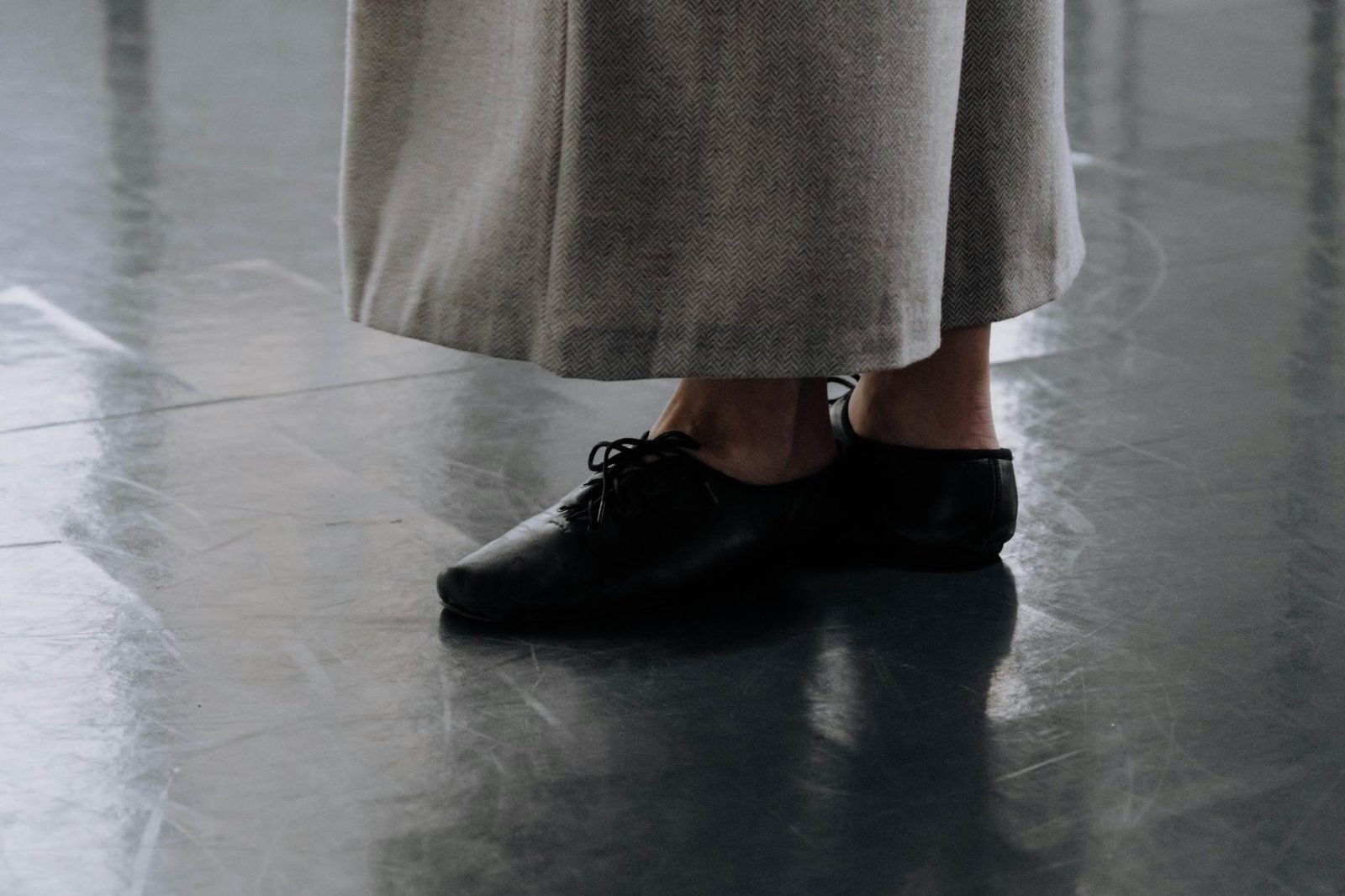
The tap practice board is specifically designed for tap dancers who need a resonant, hard surface for percussive practice without disturbing neighbors or damaging home floors. The hardwood construction amplifies tap sounds authentically, and the compact size makes it practical for bedroom or basement practice spaces.
Key Features:
- Hardwood construction for authentic tap resonance
- Compact size for home and apartment use
- Non-slip bottom prevents board movement
- Portable — fits in a dance bag or car trunk
- Designed specifically for tap percussion
Pros:
- Authentic tap sound — hears and feels like a real tap floor
- Protects home floors from metal tap shoe damage
- Compact enough for any practice space
Cons:
- Size limits footwork patterns — better for spot practice than full choreography
- Board can shift on smooth surfaces without a grip mat underneath
4. Greatmats Vinyl Dance Tile — Best Tile System
The Greatmats vinyl dance tiles offer the ultimate modular approach to home studio flooring. Individual tiles interlock to create any floor size and shape, and the vinyl surface is suitable for ballet, jazz, and contemporary styles. Unlike roll-out floors, tiles can replace individual damaged sections without replacing the entire floor.
Key Features:
- Interlocking modular vinyl tiles
- Individual tile replacement if damaged
- Multiple surface textures available
- Easy to clean surface
- Configure any shape or size
Pros:
- Only replace damaged tiles — not the whole floor
- Modular design allows for any studio configuration
- Easy installation and removal without adhesive
Cons:
- Tile edges can be felt underfoot in bare feet or socks
- Tiles can separate if not secured at perimeter
5. Dollamur Flexi-Roll Mat — Best Roll-Out
The Dollamur Flexi-Roll mat is trusted by Olympic gymnastics programs and dance companies alike. Its 1.5-inch foam construction absorbs the impact of jumps and tumbling, while the smooth top surface is suitable for contemporary and modern dance styles. The roll-out format means setup takes under a minute.
Key Features:
- 1.5-inch foam core for impact absorption
- Smooth top surface for contemporary and modern
- Rolls out flat in under a minute
- Stain-resistant, easy-clean surface
- Multiple sizes available
Pros:
- Olympic-grade construction protects against impact injuries
- Fastest setup of any floor in this category
- Stain-resistant surface handles rehearsal sweat easily
Cons:
- Surface texture doesn’t suit ballet or tap styles
- Heavy for solo transport when large
6. IncStores Dance Floor Tile — Best Budget Tile
The IncStores dance floor tile makes professional-style flooring accessible at a budget price point. The interlocking system works like Greatmats tiles but at a significantly lower cost per square foot — making it the practical choice for dancers building their first home studio on a tight budget.
Key Features:
- Budget-friendly price per square foot
- Interlocking tile system
- Suitable for ballet and jazz
- Multiple color options
- Easy installation
Pros:
- Best price per square foot in this category
- Good enough surface quality for regular practice use
- Color options allow for a studio aesthetic
Cons:
- Surface durability lower than professional-grade options
- Less consistent grip/slip than professional marley
7. Athletic Connection Multi-Use Floor — Best Multi-Use
The Athletic Connection floor panels are designed for studios and community centers that need a surface suitable for multiple activities — dance, fitness, yoga, and athletic training. The durable construction handles higher traffic than dedicated dance floors, making it ideal for multi-use spaces.
Key Features:
- Multi-activity surface suitable for dance and fitness
- High-traffic durable construction
- Interlocking panel system
- Easy to clean and maintain
- Good for multi-use community spaces
Pros:
- Handles multiple activities without specialist care
- Durable construction for high-traffic shared spaces
- Good value for multi-purpose venues
Cons:
- Not optimized for any single dance style
- Less performance-specific than dedicated dance floors
You might also like:
Buying Guide: How to Choose a Portable Dance Floor
Floor Surface Type: Marley vs. Vinyl vs. Sprung
Marley vinyl is the professional standard surface for ballet, jazz, and contemporary dance — it provides a consistent grip-to-slide ratio that supports turns and controlled lateral movements without the excessive friction of raw wood. PVC roll-out floors are more budget-friendly but typically offer less consistent surface quality. Sprung or floating floors (with a shock-absorbing base layer) are the gold standard for joint protection during high-impact work but come at significant cost and require installation. For home practice, a quality Marley vinyl roll-out over an existing hard floor is the most practical solution.
Thickness and Joint Protection
Thicker flooring provides better shock absorption, which matters when practicing jumps and high-impact combinations on hard concrete or tile subfloors. A minimum of 2mm thickness is required for any meaningful cushioning. Floors under 1.5mm offer almost no shock protection and exist primarily to provide the correct surface texture. For regular home practice on concrete subfloors, look for modular sprung tiles with 6mm+ total system depth, which provides genuine joint protection comparable to a professional studio.
Size and Configuration
Measure your available practice space before purchasing. A meaningful ballet practice requires at least a 10×10 foot floor surface — enough for barre work with extension. A 15×15 or 20×20 foot floor is required for full center combinations. Modular tile systems allow you to purchase a starter configuration and expand incrementally. Roll-out vinyl can be cut to custom dimensions. Factor in ceiling height as well — adequate floor space is pointless if you cannot execute full arm overhead movements.
Portability and Storage
True portability requires a floor that can be installed and removed in under 30 minutes without tools. Roll-out floors are the most portable — roll up, transport in a carrying bag, unroll at destination. Modular tiles are more durable and create a stable connected surface but require more storage space and assembly time. If you plan to use the floor at multiple locations (home, studio, competition venue), prioritize the connection system quality — tile systems that click securely stay connected during intensive use.
Frequently Asked Questions
Q: What size portable dance floor do I need for home practice?
A: A 10×10 foot floor is the minimum for meaningful ballet barre and center work. For contemporary or jazz that involves traveling combinations, 15×15 is more appropriate. Measure your space and account for furniture clearance on all sides. A 12×12 or 16×16 modular configuration offers the best balance between practice space and residential room size.
Q: Can I use a portable dance floor over carpet?
A: Marley vinyl over carpet is not recommended — the carpet compresses unevenly under the vinyl, creating inconsistent surface texture and safety hazards during turns. Modular tiles designed for carpet installation (with non-slip backing and interlocking edges) are the safer option. For the most stable surface, practice on a hard floor (hardwood, tile, or sealed concrete) under the dance floor.
Q: How do I clean and maintain a portable Marley dance floor?
A: Sweep or vacuum before every use to remove grit that abrades the surface. Damp mop with a pH-neutral cleaner diluted in water — avoid harsh chemicals that degrade the vinyl. Never use wax or polish on Marley vinyl, which changes the friction characteristics the surface is calibrated to provide. Store rolled surfaces loosely (not tightly rolled) in a temperature-stable environment — extreme cold makes vinyl brittle and crack-prone.
Q: Is a sprung floor necessary for home practice?
A: For occasional practice (1–2 hours per week), a quality Marley vinyl over hardwood provides adequate surface without a sprung base. For daily intensive training, a sprung subfloor significantly reduces long-term cumulative impact on knees, hips, and spine. Professional dancers who train at home often add foam underlayment or professional sprung floor tiles beneath their Marley surface as a middle-ground solution.
Q: What is the difference between marley floor and regular vinyl flooring?
A: Marley is a specific professional dance vinyl formulated to provide the precise grip-to-slide ratio that dance technique requires. Regular vinyl flooring (like residential LVP or sheet vinyl) is engineered for maximum grip to prevent slipping — this makes it extremely difficult to execute turns on and increases injury risk. Regular vinyl also lacks the consistent surface texture that Marley provides across the entire floor.
Q: How long does a portable dance floor last?
A: A quality Marley roll-out floor with proper care lasts 5–10 years for home use. Modular hardwood tiles last 15–20 years. Signs that a vinyl floor needs replacement: persistent deep scratches that catch shoe soles, surface crazing or cracking, areas where grip has become inconsistent, or adhesive tape seams that will not hold. Regular cleaning and proper storage dramatically extend usable life.
Final Verdict
For the most professional practice surface, the Rosco Adagio marley over Greatmats sprung panels is the definitive combination. Tap dancers need the tap practice board for authentic sound and feel. Budget-conscious home studio builders will get excellent value from IncStores tiles.