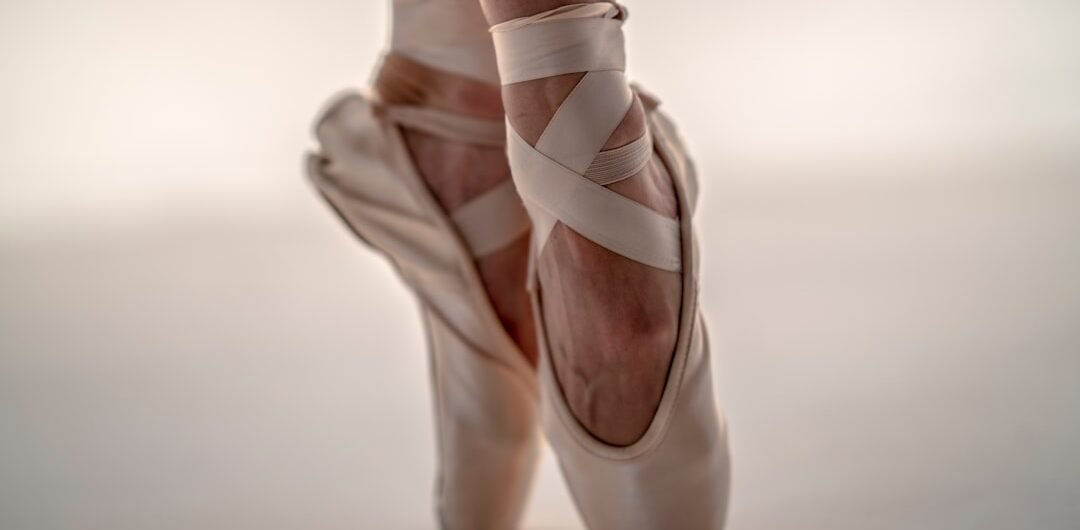
Going en pointe is one of the most significant milestones in a ballet dancer’s journey — and choosing the right pointe shoe for your first pair is a decision that directly affects how safely and comfortably you develop your technique. A badly fitted pointe shoe can cause unnecessary pain, nail damage, blisters, and long-term joint strain. A well-chosen pair, by contrast, supports the foot correctly, provides the right degree of box stiffness for your strength level, and helps you build confidence in the studio.
This guide focuses specifically on beginner-level pointe shoes — models that balance the durability and support beginners need with a profile that does not overwhelm a developing foot. We reviewed seven of the most recommended first pointe shoes, evaluating box shape, shank strength, vamp height, comfort, and fit across different foot types.
Quick Comparison: Best Pointe Shoes for Beginners (2026)
| Product | Category | Rating | Best For | Price |
|---|---|---|---|---|
| Bloch Women’s Aspire Stretch Canvas Pointe Shoe | Best Overall for Beginners | ⭐ 4.6/5 | Beginning pointe students with average to flexible feet who want a forgiving first shoe | Check Price |
| Capezio Women’s Cambré Pointe Shoe Canvas Soft Shank | Best for Flexible Feet | ⭐ 4.5/5 | Students with naturally flexible arches who need a soft-shank first pointe shoe | Check Price |
| Sansha Recital 6 Pro Canvas Pointe Shoe Women’s | Best Value | ⭐ 4.4/5 | Beginner students looking for a well-made, affordable first pointe shoe | Check Price |
| So Danca SD16 Silhouette Canvas Pointe Shoe | Best for Wide Feet | ⭐ 4.4/5 | Beginning students with wider foot widths who struggle to fit standard pointe boxes | Check Price |
| Freed Classic Pointe Shoe Studio Model Canvas | Best Professional Heritage | ⭐ 4.7/5 | Serious beginning students whose teacher recommends a professional-heritage shoe from the start | Check Price |
| Russian Pointe Encore Pointe Shoe Women’s | Best for Square Feet | ⭐ 4.5/5 | Beginners with square toe boxes who need a wide platform for comfortable en pointe work | Check Price |
| Gaynor Minden Classic Pointe Shoe Flexible Shank | Best Technology | ⭐ 4.6/5 | Beginning students whose teacher recommends a synthetic-construction pointe shoe | Check Price |
Detailed Reviews
1. Bloch Women’s Aspire Stretch Canvas Pointe Shoe
Best for: Beginning pointe students with average to flexible feet who want a forgiving first shoe | ⭐ 4.6/5
The Bloch Aspire Stretch is one of the most widely recommended first pointe shoes among professional teachers for its combination of beginner-appropriate stiffness and a canvas upper that molds to the foot faster than satin alternatives. The medium-strength shank supports the foot without being rigid enough to mask technical weaknesses, and the tapered box suits a moderate to tapered foot shape well. The canvas construction breathes better than satin during long class sessions, and the pre-sewn elastics and ribbons option makes the first pair preparation significantly simpler for parents and students unfamiliar with the process.
Pros
- ✓ Canvas upper molds to the foot quickly for a comfortable early fit
- ✓ Medium shank strength appropriate for developing foot muscle
- ✓ Pre-sewn elastic option simplifies preparation for beginner students
Cons
- ✗ Canvas wears through faster than satin under daily training
- ✗ Tapered box may not suit square or wide foot shapes well
2. Capezio Women’s Cambré Pointe Shoe Canvas Soft Shank
Best for: Students with naturally flexible arches who need a soft-shank first pointe shoe | ⭐ 4.5/5
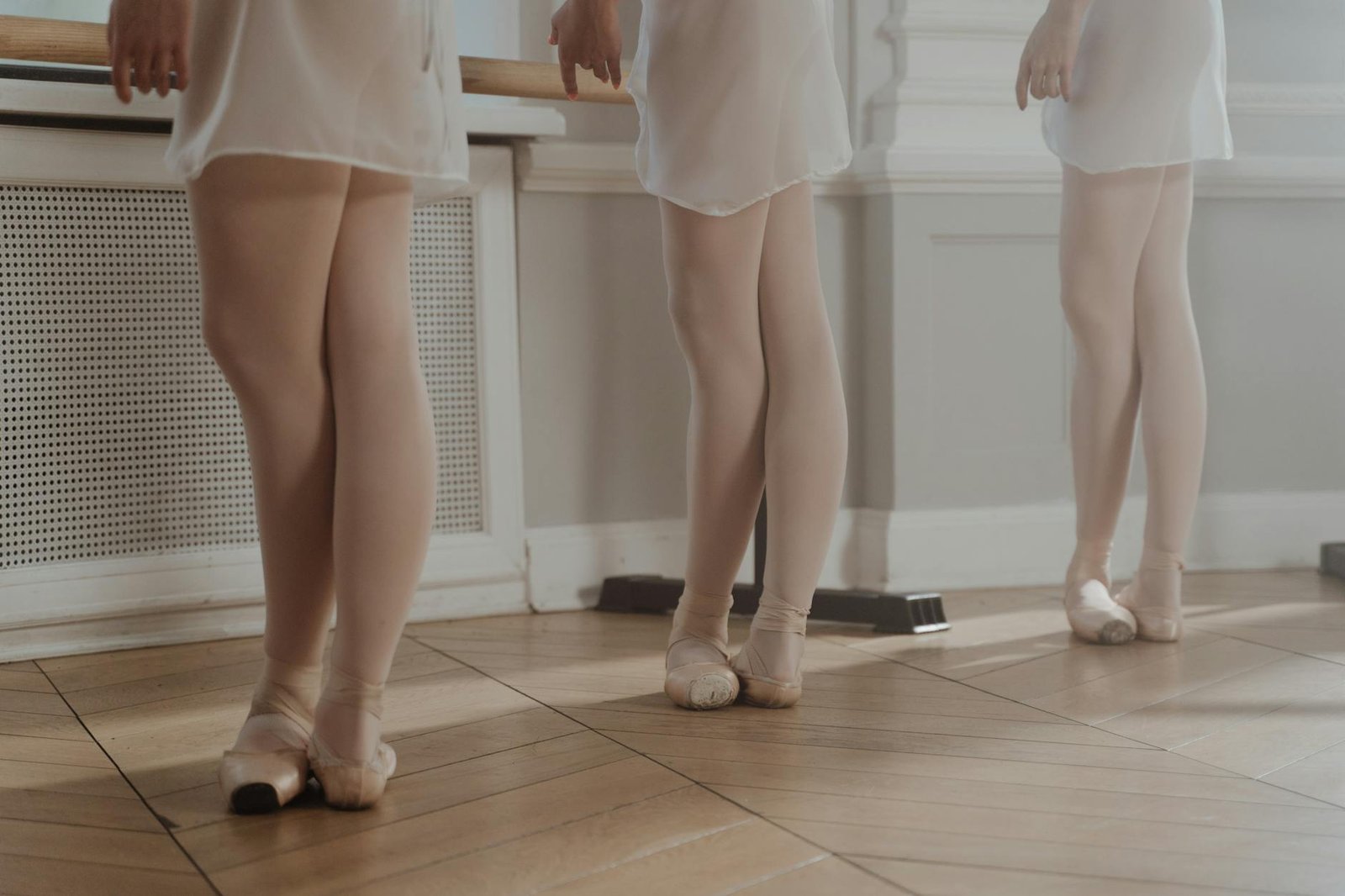
Capezio’s Cambré is specifically engineered for dancers with flexible, high arches — a foot type that is actually more challenging to fit in pointe shoes than it might appear, because a too-stiff shank prevents the foot from working through relevé correctly. The soft shank allows the naturally flexible foot to articulate properly, and the tapered box provides a flattering, clean line in relevé. Teachers who work with pre-professional students with hypermobile arches frequently specify the Cambré as the first shoe to try, noting that students make faster technical progress when the shoe works with rather than against their natural foot shape.
Pros
- ✓ Soft shank ideal for naturally flexible and hypermobile arch types
- ✓ Tapered box creates a clean, elegant line in relevé position
- ✓ Capezio quality ensures consistent manufacturing across sizes
Cons
- ✗ Not appropriate for students with average or low arch flexibility
- ✗ Soft shank requires stronger foot musculature earlier in the learning process
3. Sansha Recital 6 Pro Canvas Pointe Shoe Women’s
Best for: Beginner students looking for a well-made, affordable first pointe shoe | ⭐ 4.4/5
Sansha’s Recital 6 Pro is a dependably constructed canvas pointe shoe at a price point that makes sense for parents investing in a first pair before their dancer has confirmed whether pointe work will be a sustained commitment. The medium-width box suits the most common foot shapes, and the medium shank provides adequate support for early pointe work without being aggressive. The canvas breathes well, and the construction quality is consistent with what experienced fitters expect from Sansha’s professional-grade range. A sensible, respectful first investment in pointe footwear.
Pros
- ✓ Accessible price for a well-constructed first pointe shoe
- ✓ Medium-width box suits a wide range of common foot shapes
- ✓ Consistent Sansha construction quality across sizes and batches
Cons
- ✗ Canvas wears faster than satin for students training more than twice weekly
- ✗ Less precise fit than custom-lasted shoes for atypical foot shapes
4. So Danca SD16 Silhouette Canvas Pointe Shoe
Best for: Beginning students with wider foot widths who struggle to fit standard pointe boxes | ⭐ 4.4/5
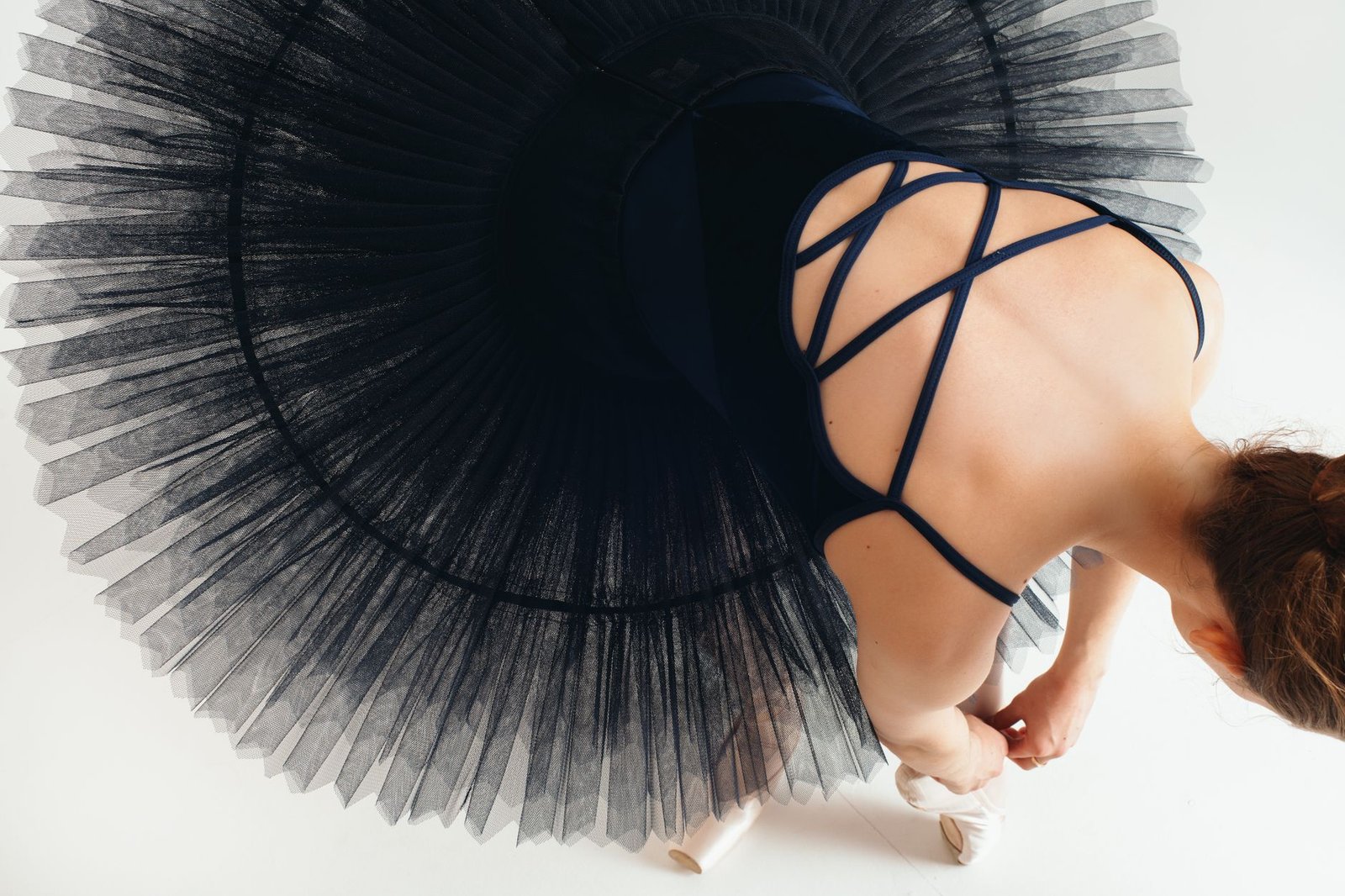
So Danca’s Silhouette is one of the few beginner-level pointe shoes available in a genuinely wide box, making it the recommended starting point for dancers who have consistently been told their foot is too wide for standard models. The wider platform distributes load more evenly across the toes, reducing the compression pain that wide-footed dancers experience in narrow-box alternatives. The medium-weight shank is appropriate for early pointe work, and the canvas upper adapts well to a wide arch and toe spread. Wide-footed dancers who have delayed beginning pointe because of fitting difficulties will find this shoe opens the door to en pointe work they previously could not access.
Pros
- ✓ Wide box accommodates dancers who cannot fit in standard-width pointe shoes
- ✓ Platform distributes load more evenly across wider toe spreads
- ✓ Medium shank strength appropriate for beginning pointe technique
Cons
- ✗ Wide box unsuitable for narrow or tapered foot shapes
- ✗ Fewer color and width variation options than larger brands
5. Freed Classic Pointe Shoe Studio Model Canvas
Best for: Serious beginning students whose teacher recommends a professional-heritage shoe from the start | ⭐ 4.7/5
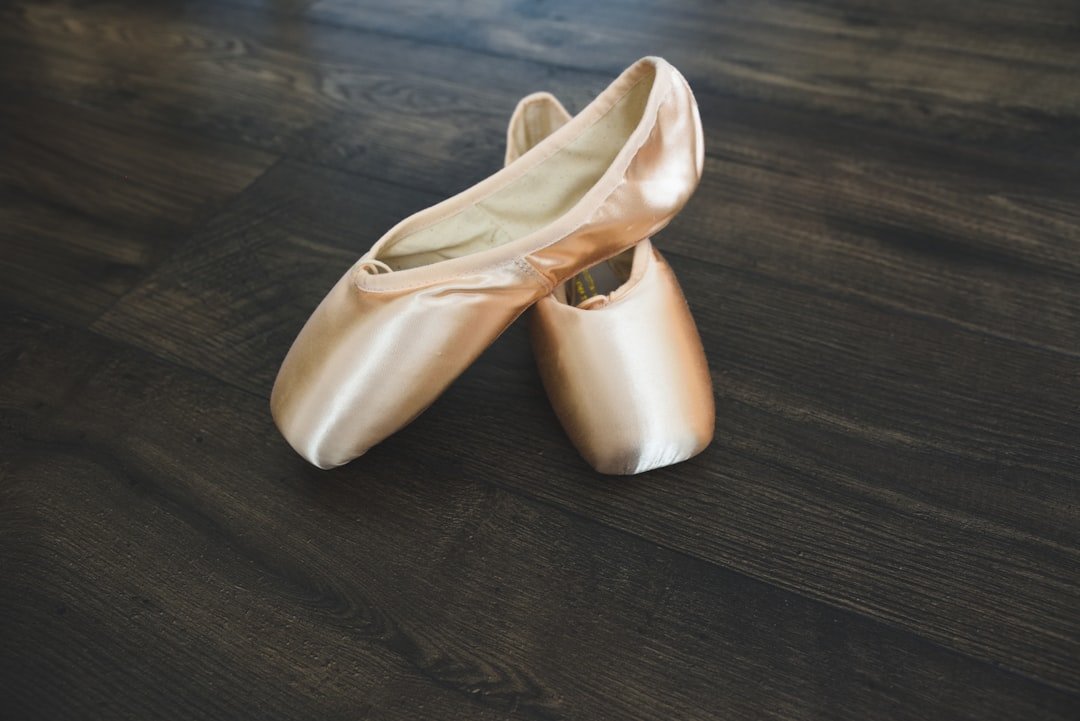
Freed of London is the shoe of the Royal Ballet, and the Freed Classic Studio canvas model brings that heritage to intermediate and serious beginning students who have earned their teacher’s recommendation for a higher-end first shoe. The hand-crafted construction produces a consistent, reliable fit, and the medium-soft shank gives beginning dancers the support they need without removing the feedback that teaches them how to properly use their foot in relevé. Students who receive this shoe as their first pair often transition to the professional Freed range when they advance — the muscle memory and technique built in the Studio model translates directly.
Pros
- ✓ Hand-crafted Freed construction from the Royal Ballet’s shoe supplier
- ✓ Medium-soft shank teaches correct use of foot through natural feedback
- ✓ Heritage brand quality appropriate for serious beginning students
Cons
- ✗ Premium price reflects hand-crafted Royal Ballet brand construction
- ✗ Professional-fit approach benefits most from in-person specialist fitting
6. Russian Pointe Encore Pointe Shoe Women’s
Best for: Beginners with square toe boxes who need a wide platform for comfortable en pointe work | ⭐ 4.5/5
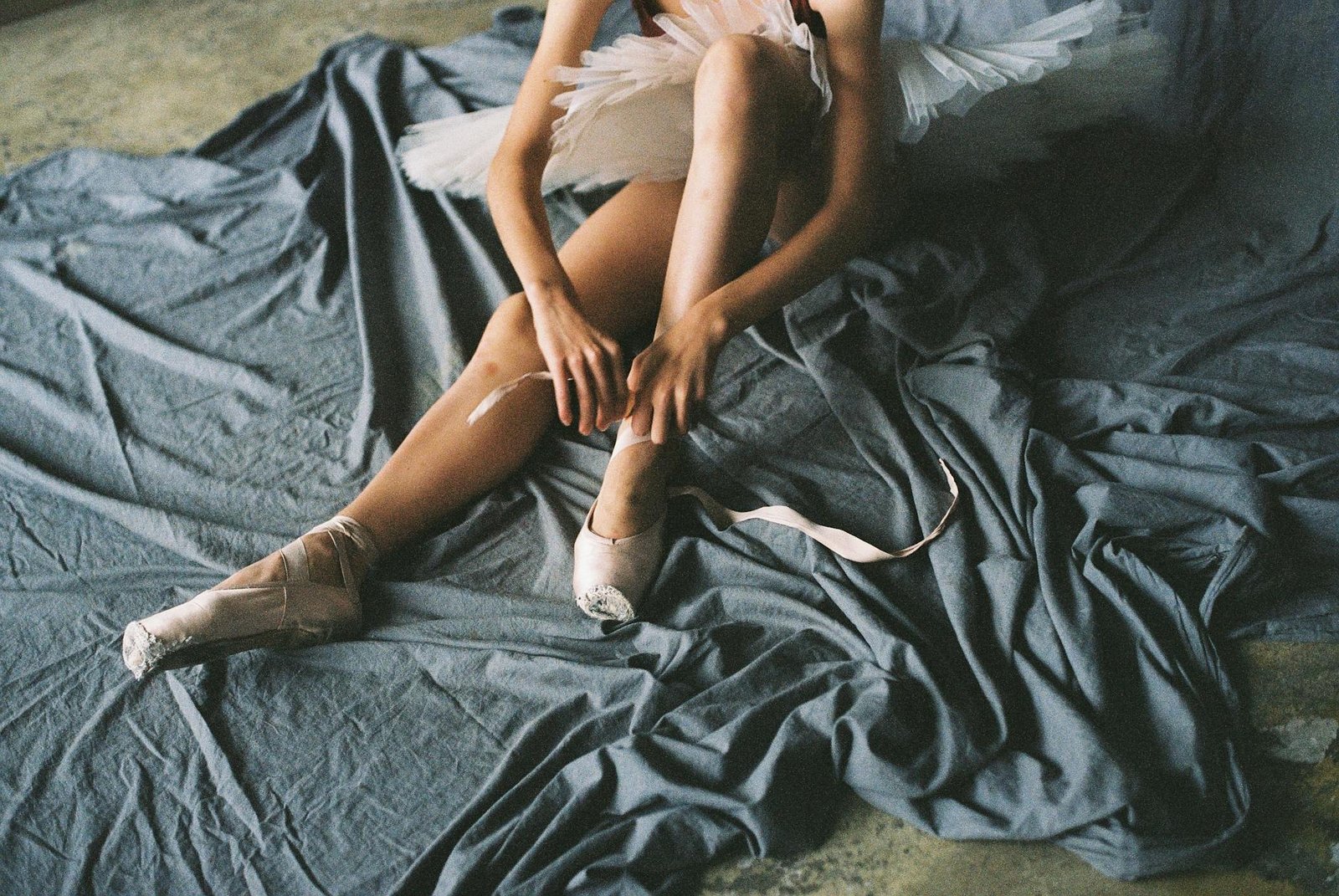
Russian Pointe’s Encore is engineered for the square foot shape — a toe profile where the big toe and second toe are roughly the same length, creating a natural flat platform that needs specific box shaping to feel comfortable en pointe. The wide, flat platform of the Encore distributes load evenly across all five toes rather than concentrating it on the big and second toe as tapered boxes do. The medium-strength shank provides appropriate support for beginning students, and the quality of the Russian Pointe construction is consistently above average for the price point. Square-footed beginners who have been told they would never feel comfortable en pointe should try the Encore before accepting that verdict.
Pros
- ✓ Flat, wide platform engineered for square foot shapes
- ✓ Distributes load evenly across all five toes for maximum comfort
- ✓ Russian Pointe construction quality exceeds the price point
Cons
- ✗ Platform shape unsuitable for tapered or narrow foot shapes
- ✗ Takes longer to source than common brands in some regions
7. Gaynor Minden Classic Pointe Shoe Flexible Shank
Best for: Beginning students whose teacher recommends a synthetic-construction pointe shoe | ⭐ 4.6/5
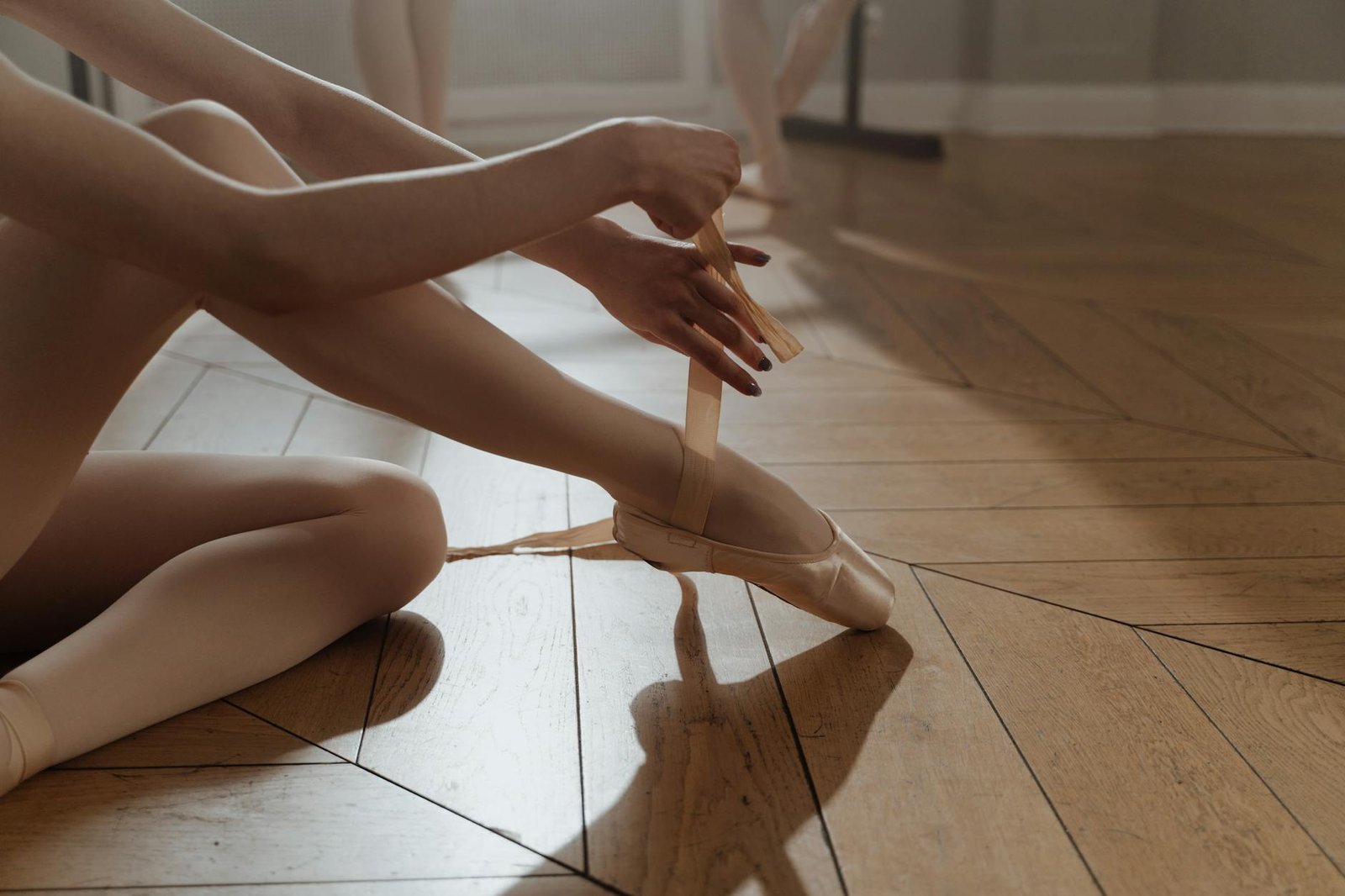
Gaynor Minden revolutionized pointe shoe construction by replacing the traditional layers of burlap, paper, and paste with a synthetic box that retains its shape far longer than traditional materials. The Flexible Shank model is Gaynor Minden’s most appropriate for beginning students — it provides the support of a medium shank without the aggressive resistance that would overwhelm developing foot muscles. Because the box does not break down as quickly as traditional pointe shoes, beginning students get more wearings per pair, which partially offsets the higher purchase price. Teachers who work with students who are hard on shoes or in programs that require consistent technique feedback often prefer Gaynor Minden for its shape retention.
Pros
- ✓ Synthetic box retains shape far longer than traditional paste-and-burlap construction
- ✓ Flexible shank model appropriate for beginning foot strength levels
- ✓ More wearings per pair offsets the higher initial investment
Cons
- ✗ Synthetic feel differs from traditional pointe shoe — some dancers prefer traditional construction
- ✗ Premium price requires commitment to the Gaynor Minden approach
Buying Guide: What to Look for
Choosing a first pointe shoe is one of the most important decisions in a dancer’s training — and there are several critical factors to understand before purchasing:
- Professional Fitting is Essential: Never order your first pointe shoe online without a professional fitting. The shape of your toes, the width of your foot, your arch flexibility, and your metatarsal length all determine which shoe is appropriate. A wrong first shoe can cause permanent injury.
- Box Shape: Tapered boxes suit narrow, tapered feet. Standard boxes suit average shapes. Wide boxes accommodate square and wide feet. The box must fit around all five toes without compression.
- Shank Strength: Soft shanks suit hypermobile arches. Medium shanks are appropriate for most beginners. Hard shanks suit advanced students with very strong feet. A shank that is too hard prevents proper use of the foot.
- Vamp Height: High vamps suit longer toes and provide more coverage. Low vamps expose more of the foot and suit shorter, square toe shapes.
- Readiness: A qualified teacher must certify that a student is ready to begin pointe work. Typical readiness indicators include at least 2–3 years of regular ballet training, adequate ankle strength, and correct alignment.
Frequently Asked Questions
At what age can a dancer start pointe work?
Most reputable dance teachers do not recommend starting pointe work before age 11–12, when the growth plates in the foot are more developed. Readiness is determined by training age and physical development, not calendar age alone — some 14-year-olds are not ready while some 12-year-olds are.
How long do beginner pointe shoes last?
Beginning students training 2–3 times per week can expect 6–9 months from a canvas pointe shoe. More advanced students training daily may need new shoes every 3–6 months. Signs of wear include a collapsed box, a dead shank, and loss of support through relevé.
Should I sew my own ribbons and elastics?
Yes — all pointe shoe ribbons and elastics must be sewn by the dancer or their parent. This is a standard part of pointe preparation. Your teacher will demonstrate the correct placement. Never use glue in place of sewing — it compromises the shoe’s structure.
How should pointe shoes fit?
En pointe, the toes should be flat across the platform with no curling or compression. In the shoe, the toes should just touch the front of the box without being crushed. The heel should be snug with no gap. Breaking in should be gradual — never force the shoe.
Can I practice pointe at home?
Only under explicit direction from your qualified ballet teacher. Unsupervised home pointe practice before proper technique is established is a major injury risk. Work only as prescribed by your teacher in their presence until you are cleared for independent practice.
Final Verdict
For most beginning pointe students with an average foot shape, the Bloch Aspire Stretch is the safest starting point recommended by the greatest number of teachers — its medium shank, moderate box, and canvas construction suit the widest range of foot types. Wide-footed students should try the So Danca Silhouette; square-footed students the Russian Pointe Encore; hypermobile-arched students the Capezio Cambré. Above all, whatever brand this guide recommends, replace the recommendation with whatever your qualified ballet teacher specifies after personally fitting your foot. This guide is for education — your teacher’s recommendation is what actually matters.