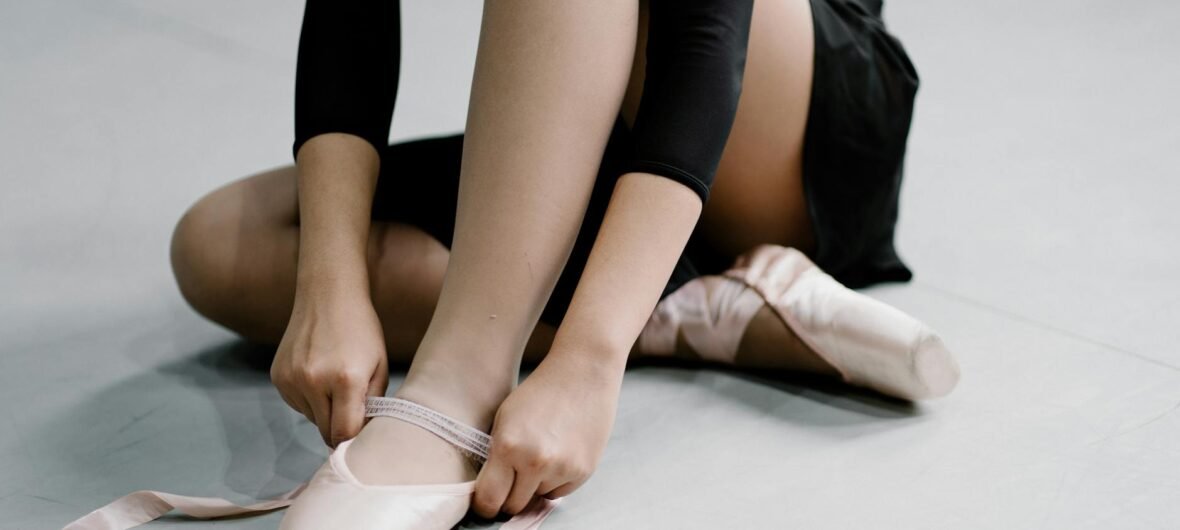
The attachment of ribbons and elastics to pointe shoes is one of the most fundamental practical skills of every ballet student who dances on pointe — a skill that must be learned and maintained throughout the pointe-working dancer’s career. Pointe shoes come from the manufacturer without ribbons or elastics attached (though some lower-quality shoes include pre-sewn components), and it is the dancer’s responsibility to correctly attach the ribbons and elastics in the specific positions and with the specific tension that their individual foot anatomy and their teacher’s guidance specify. Incorrectly sewn ribbons create the dangerously loose shoe that could trap or twist an ankle in a movement; incorrectly placed elastics fail to hold the heel in the shoe through the full dynamic range of relevé and allegro work on pointe.
This guide reviews seven of the best pointe shoe ribbons, elastics, and sewing kit components for ballet dancers, evaluating material quality, width appropriateness, durability, and the specific attachment needs each component addresses.
Quick Comparison: Best Pointe Shoe Ribbons Elastics and Sewing Kits for Ballet (2026)
| Product | Category | Rating | Best For | Price |
|---|---|---|---|---|
| Capezio Satin Ribbon for Pointe Shoes 7/8 Inch Width | Best Overall | ⭐ 4.7/5 | Ballet dancers who need professional-quality satin ribbon for their pointe shoes | Check Price |
| Elastic for Pointe Shoes White Knitted 3/4 Inch | Best Heel Elastic | ⭐ 4.6/5 | Dancers who need heel elastic to keep the back of their pointe shoe in position | Check Price |
| Complete Pointe Shoe Sewing Kit Thread Needles Beeswax | Best Sewing Kit | ⭐ 4.6/5 | Ballet students who want a complete kit with all components needed for pointe shoe preparation | Check Price |
| Pointe Shoe Cross Elastic Double Strap Set | Best Cross Elastic | ⭐ 4.5/5 | Dancers whose heel escapes the shoe and need a cross-strap elastic configuration | Check Price |
| Pointe Shoe Ribbon Satin Wide 1 Inch Competition Performance | Best Wide Ribbon | ⭐ 4.5/5 | Dancers who prefer or whose teacher specifies the wider 1-inch ribbon for competition performance | Check Price |
| Toe Tape Athletic for Pointe Shoe Toe Preparation | Best Toe Tape | ⭐ 4.5/5 | Dancers who tape specific toes before putting on pointe shoes for blister and toe pain prevention | Check Price |
| Darning Needle Set for Pointe Shoe Ribbon Sewing | Best Needle Set | ⭐ 4.4/5 | Ballet students who need the correct heavy-duty curved and straight needles for pointe shoe sewing | Check Price |
Detailed Reviews
1. Capezio Satin Ribbon for Pointe Shoes 7/8 Inch Width
Best for: Ballet dancers who need professional-quality satin ribbon for their pointe shoes | ⭐ 4.7/5
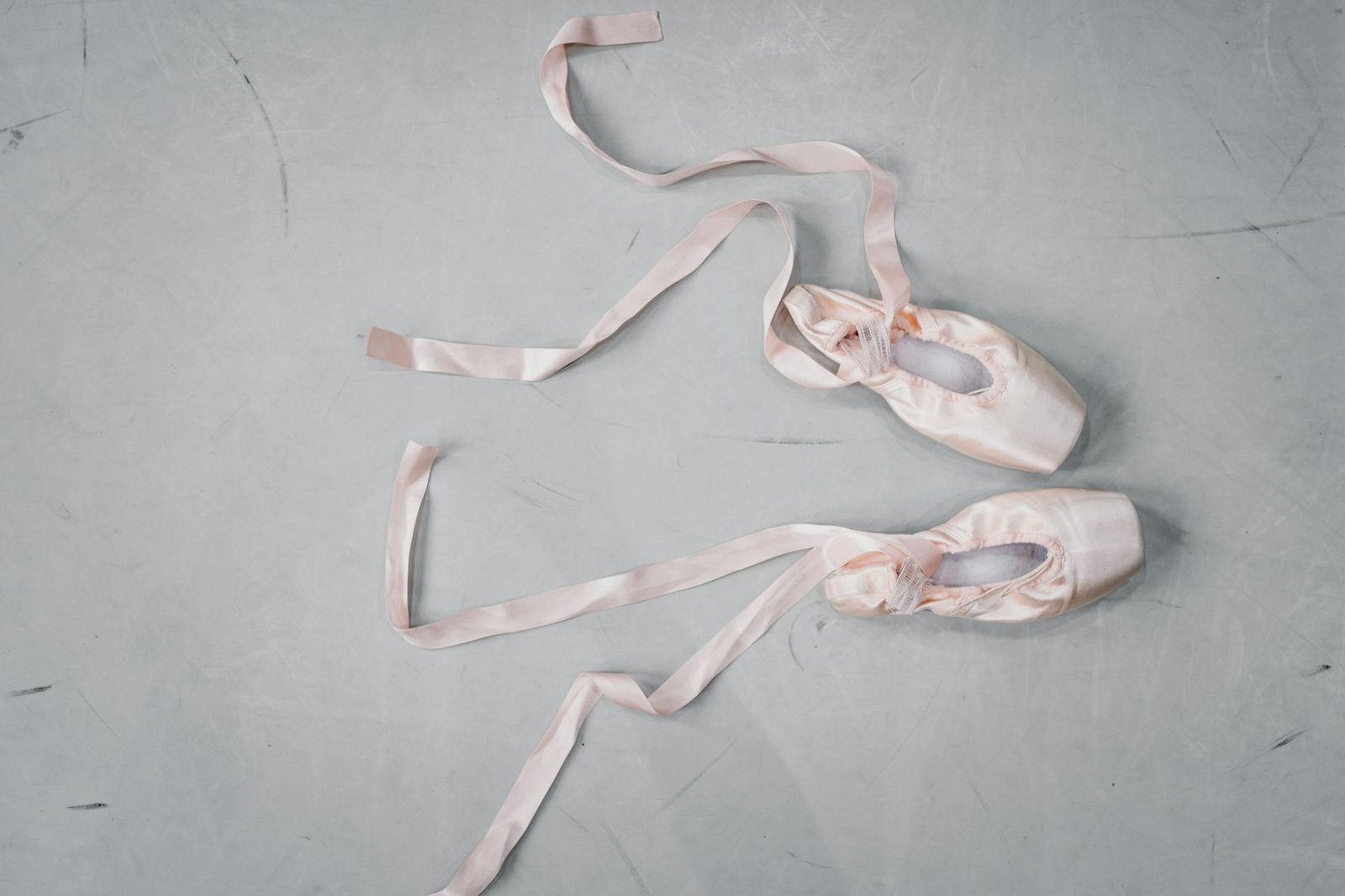
Capezio’s satin ribbon is the standard against which other pointe shoe ribbons are judged — it is available from virtually every authorized pointe shoe retailer (a significant practical advantage when replacement is needed quickly before a performance), the satin has the correct optical quality that ballet teachers expect (not too shiny, not too matte — the medium satin sheen that photographs and reads correctly under stage lighting), and the 7/8-inch width is the standard width for most pointe shoe ribbon applications. The ribbon’s backing material holds the hand-sewn thread without the thread pulling through that cheaper ribbons can allow, which is critical for the security of the ribbon attachment that the dancer’s ankle depends on.
Pros
- ✓ Industry standard ribbon available at virtually every authorized dance retailer — consistent supply reliability
- ✓ Correct 7/8-inch width standard for most pointe shoe applications
- ✓ Backing material holds sewn thread without pullthrough — critical for long-term ribbon attachment security
Cons
- ✗ Satin ribbon requires occasional spot cleaning with a damp cloth where skin contact creates visible marks from perspiration and body oils
- ✗ Standard pink color is correct for most applications but not appropriate for contemporary pointe work where colored ribbons might be required
2. Elastic for Pointe Shoes White Knitted 3/4 Inch
Best for: Dancers who need heel elastic to keep the back of their pointe shoe in position | ⭐ 4.6/5
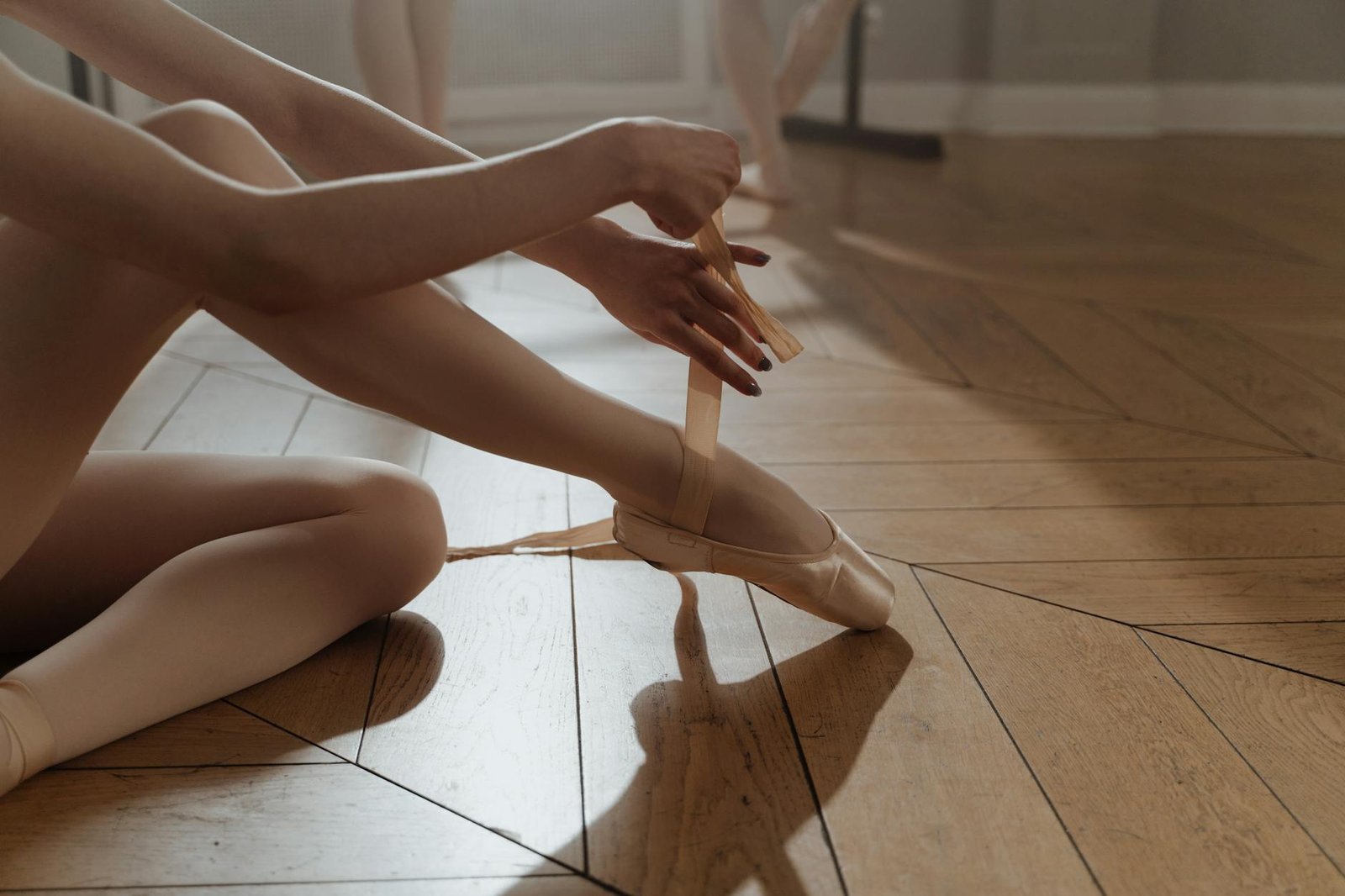
The heel elastic prevents the back of the pointe shoe from slipping down the heel during the dynamic movements of pointe technique — without a properly positioned heel elastic, the back of the shoe can slip, causing the dancer’s heel to lift inside the shoe and creating the mechanical misalignment that affects the safety and aesthetics of pointe work. The 3/4-inch knitted elastic provides the correct combination of firm hold and comfortable stretch — it must be elastic enough to flex through the full range of pliéing relevé without restriction while maintaining enough hold at the top of the elastic movement to prevent heel slippage. The knitted construction is softer against the skin than woven elastic, reducing the irritation that a stiff elastic edge can cause during extended class use.
Pros
- ✓ Knitted construction softer against skin than woven alternatives — reduces Achilles tendon and heel edge irritation
- ✓ 3/4-inch width provides sufficient hold without excessive coverage that would show above the shoe topline
- ✓ Firm-but-flexible balance: holds heel in position through full relevé range without restricting ankle flexion
Cons
- ✗ Elastic must be sewn at the correct position (typically just behind the side seam of the shoe) to provide heel hold rather than ankle restriction
- ✗ Elastic tension appropriate for most but must be individually adjusted — some feet require double-elastic configurations for adequate heel hold
3. Complete Pointe Shoe Sewing Kit Thread Needles Beeswax
Best for: Ballet students who want a complete kit with all components needed for pointe shoe preparation | ⭐ 4.6/5
A complete pointe shoe preparation kit eliminates the multiple-store search that beginning pointe students face when gathering the components for their first ribbon and elastic sewing: the heavy-duty thread (cotton or polyester, not standard sewing thread that lacks the strength for pointe shoe attachment), the curved needle appropriate for sewing through the shoe’s thick satin and canvas construction, the beeswax block for coating the thread (beeswax-coated thread passes through shoe material more easily and resists breaking at the needle eye), and scissors sharp enough to cut both satin ribbon and canvas elastic cleanly. Beginning students should sew their first ribbon and elastic under their teacher’s direct guidance — the specific positioning, thread length, and knot security are skills that require direct observation to learn correctly.
Pros
- ✓ Complete kit eliminates multiple-store search for individual sewing components
- ✓ Heavy-duty thread appropriate for the strength demands of pointe shoe attachment — not standard light sewing thread
- ✓ Beeswax included — the beeswax coat on thread is an important traditional practice that reduces thread breakage
Cons
- ✗ Sewing under teacher guidance essential for first-time pointe shoe preparation — the kit provides the tools but not the positioning knowledge
- ✗ Needle sharpness degrades with use — replacement needles needed after approximately 2 pairs of shoes per needle
4. Pointe Shoe Cross Elastic Double Strap Set
Best for: Dancers whose heel escapes the shoe and need a cross-strap elastic configuration | ⭐ 4.5/5
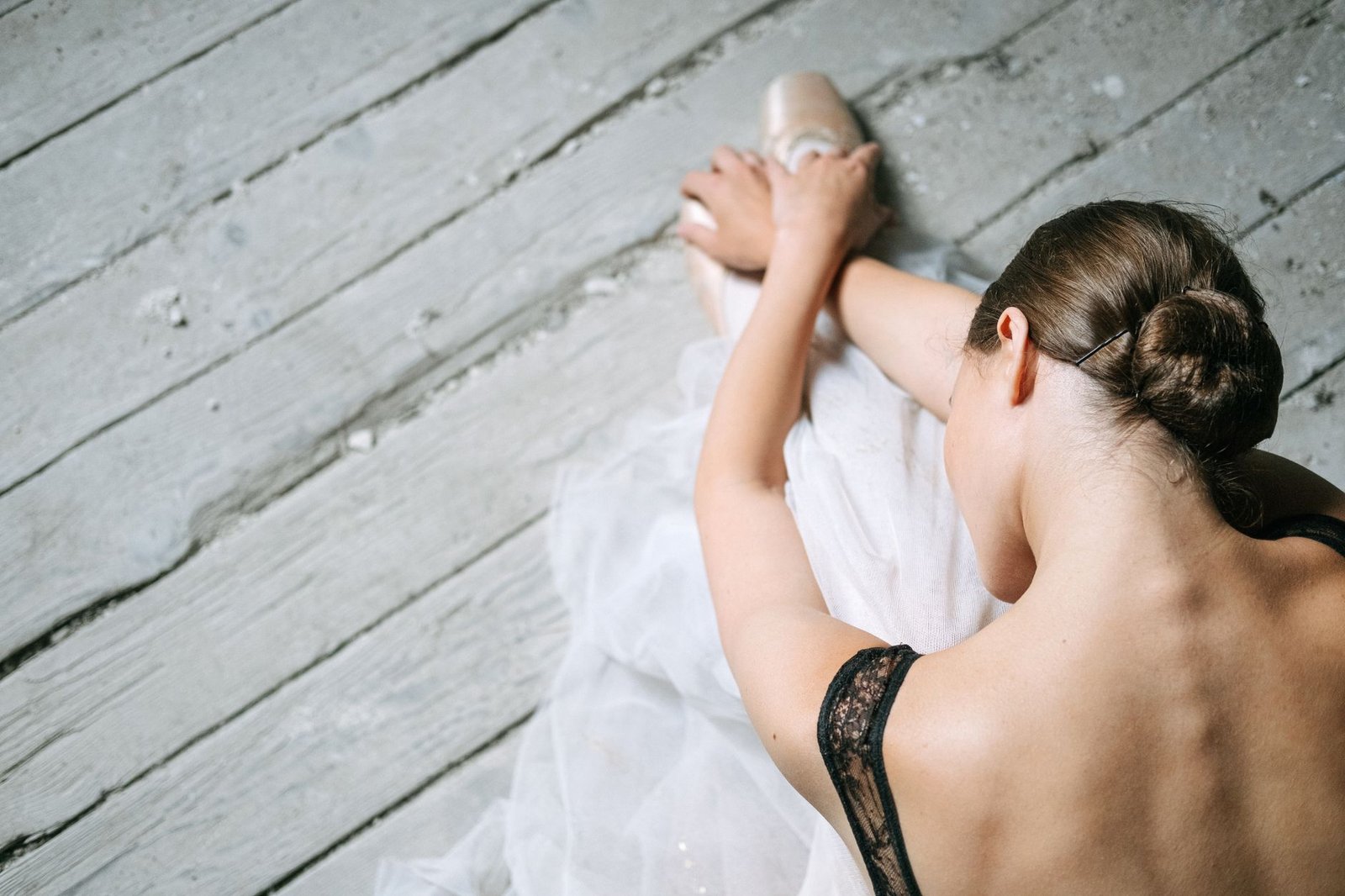
Some dancers’ feet — particularly those with high arches or narrow heels — find that a single heel elastic does not adequately prevent the back of the pointe shoe from slipping away from the heel at the top of relevé. A cross-strap elastic configuration — two elastics crossing over the instep in an X pattern — provides more comprehensive heel-hold and upper foot security than a single heel elastic can achieve. The cross configuration is also appropriate for dancers whose teacher specifies a specific elastic pattern for the school’s technical approach or for use with specific pointe shoe models whose topline design benefits from cross-elastic rather than single-elastic attachment.
Pros
- ✓ Cross-strap configuration provides more comprehensive heel-hold for dancers whose single elastic is insufficient
- ✓ Appropriate for high-arch dancers for whom the standard single elastic does not prevent back-of-shoe slippage
- ✓ X-pattern instep crossing also provides security for the upper foot area that single heel elastic leaves uncovered
Cons
- ✗ Double elastic configuration visible on the foot — some aesthetic preferences and teacher guidelines specify less visible single elastic configurations
- ✗ Cross configuration requires more complex sewing — two precise positioning measurements rather than one
5. Pointe Shoe Ribbon Satin Wide 1 Inch Competition Performance
Best for: Dancers who prefer or whose teacher specifies the wider 1-inch ribbon for competition performance | ⭐ 4.5/5
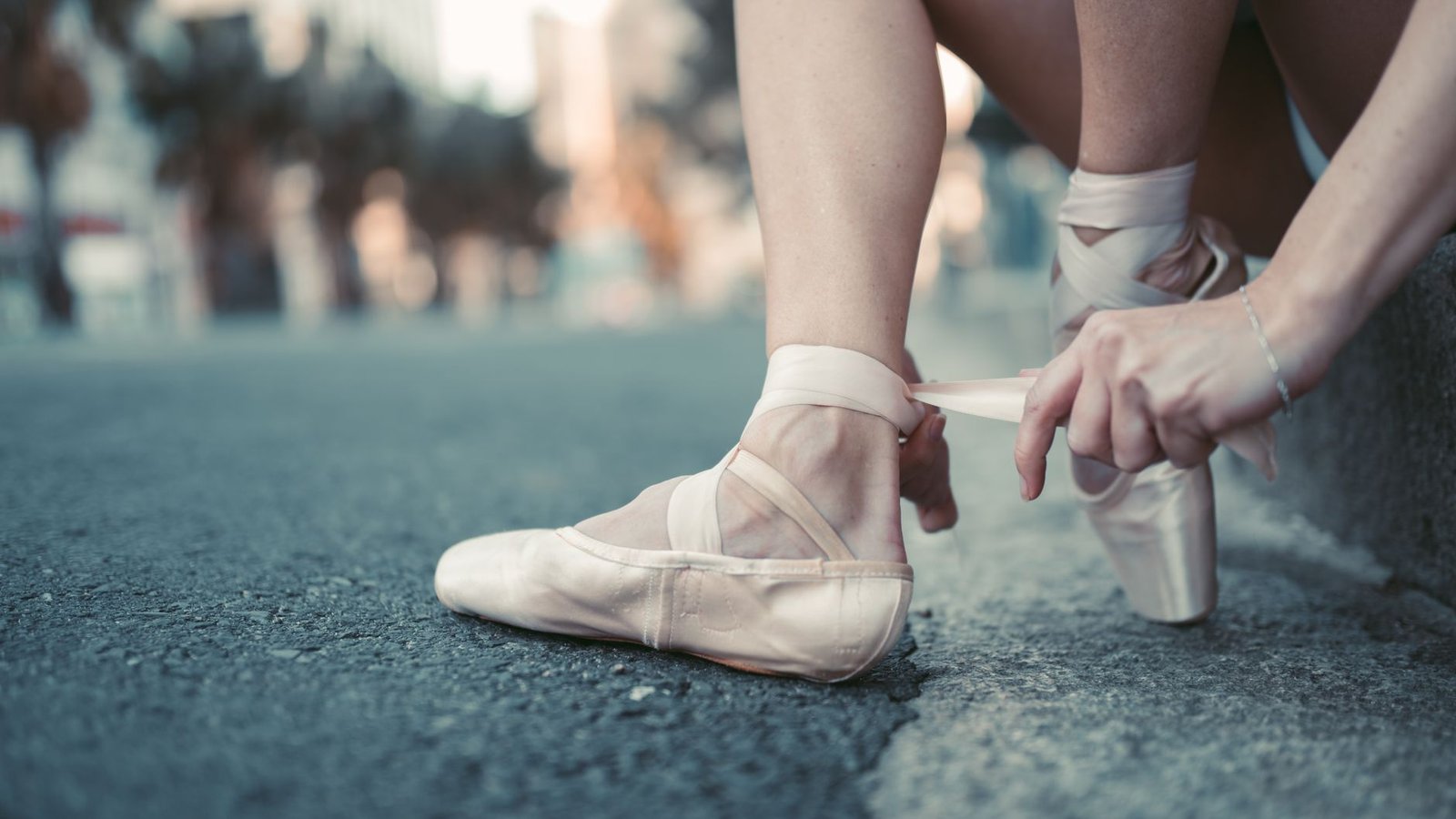
The width of pointe shoe ribbon is a teacher-and-school specific choice — while 7/8-inch is the most common standard width, some teachers specify 1-inch ribbon for its more complete ankle coverage and the smoother visual line it creates when correctly wrapped. One-inch ribbon creates a visually unbroken coverage from the shoe topline through the wrapped ankle area, which reads as a particularly clean, polished line under stage lighting and in the close-camera environment of competition video recording. For dancers whose teacher specifies 1-inch ribbon, the correct width is not optional — the aesthetic difference is visible to trained eyes and should be followed as specified.
Pros
- ✓ 1-inch width creates visually cleaner unbroken ankle coverage line under stage lighting and competition video recording
- ✓ Complete ankle coverage appropriate for teachers who specify the wider ribbon aesthetic
- ✓ Satin quality equivalent to standard width alternatives — not a downgrade in material quality for the wider format
Cons
- ✗ 1-inch width only appropriate when specified by teacher — the wider ribbon changes the wrapping mechanics and may not be appropriate for all foot/ankle proportions
- ✗ Slightly heavier than 7/8-inch ribbon — may require adjustment to ribbon-tying technique to achieve correct tension
6. Toe Tape Athletic for Pointe Shoe Toe Preparation
Best for: Dancers who tape specific toes before putting on pointe shoes for blister and toe pain prevention | ⭐ 4.5/5
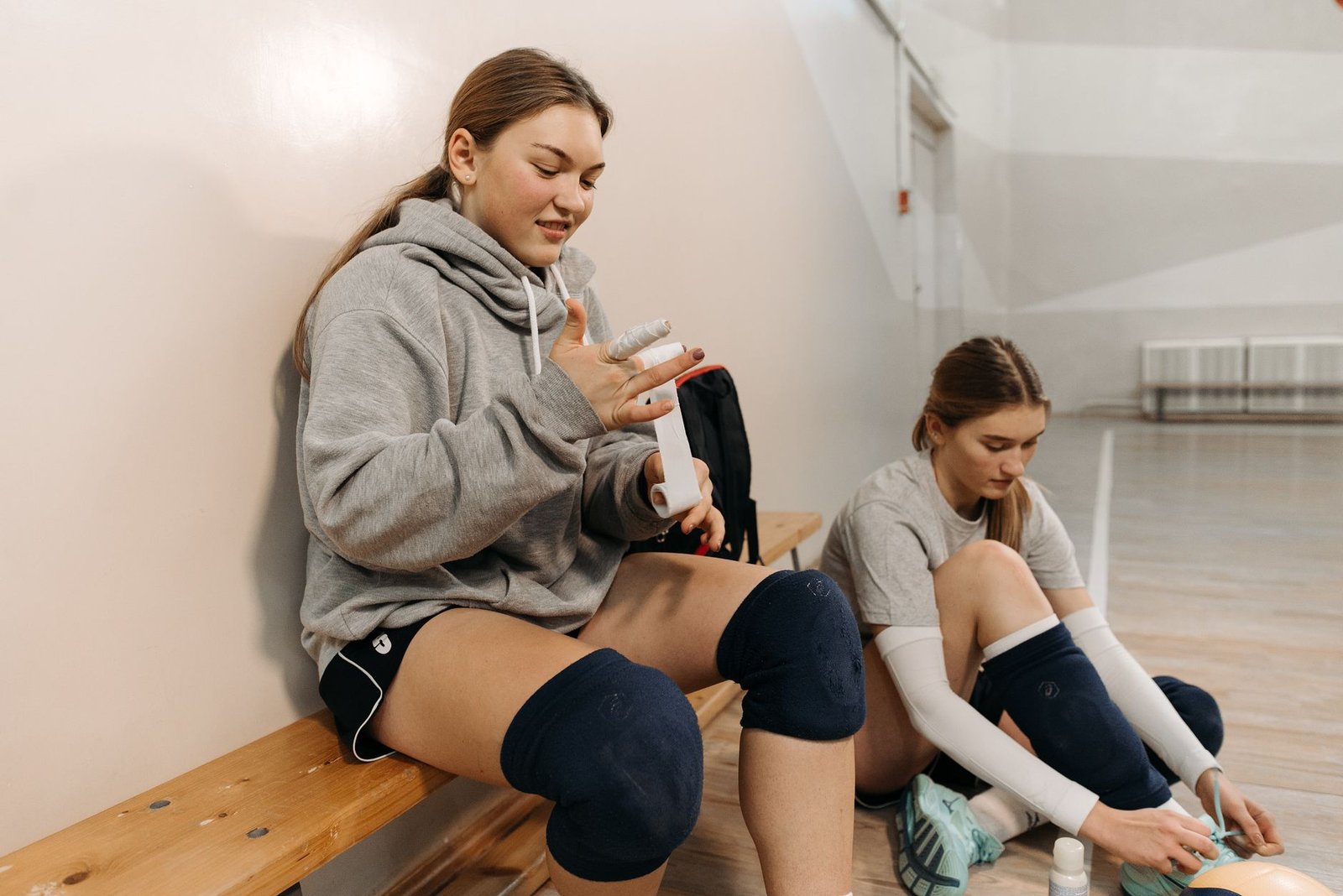
Toe taping is a standard preparatory practice for many pointe dancers — wrapping individual toes (particularly the big toe, second toe, and the toe knuckles most likely to develop blisters from box contact) with thin, skin-tone athletic tape before putting on toe pads and pointe shoes reduces the friction and pressure that causes blisters and toenail damage during class and performance. The toe tape must be thin enough not to change the fit of the shoe (a too-thick tape can create pressure points worse than the problem it intends to solve) and adhesive enough to stay in place through the entire class without unraveling inside the shoe.
Pros
- ✓ Prevents blisters and toe knuckle irritation from pointe shoe box contact through the friction reduction of the tape layer
- ✓ Thin enough to not materially change shoe fit — adds protection without creating new pressure points
- ✓ Stays in position through extended class and performance without unraveling inside the shoe
Cons
- ✗ Toe taping technique varies by foot anatomy and the specific pressure points each dancer experiences — requires individual experimentation to find the most effective taping pattern
- ✗ Tape residue must be cleaned from toes after removal to prevent buildup that affects the skin and future taping adhesion
7. Darning Needle Set for Pointe Shoe Ribbon Sewing
Best for: Ballet students who need the correct heavy-duty curved and straight needles for pointe shoe sewing | ⭐ 4.4/5
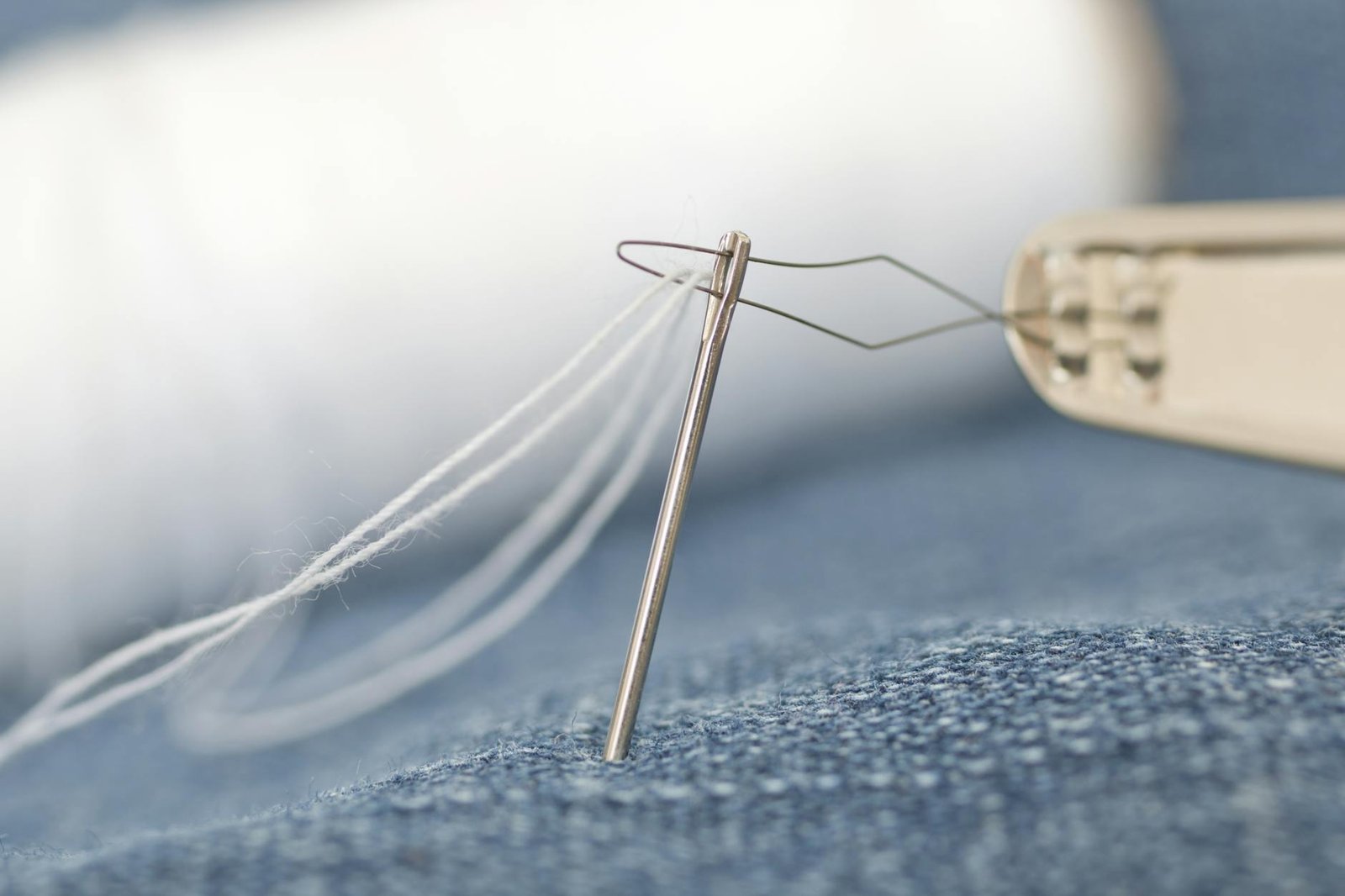
Sewing pointe shoe ribbons and elastics requires needles that are significantly heavier than standard garment sewing needles — the pointe shoe’s construction includes multiple layers of satin, canvas, and sometimes a fabric drawstring casing that standard household needles cannot penetrate cleanly without bending or breaking. A dedicated pointe shoe needle set provides the heavy-gauge needles appropriate for this specific application, including both straight needles (for through-the-canvas attachment points) and curved needles (for the heel area where a straight needle’s approach angle is geometrically impossible). The correct needle choice is part of the pointe shoe preparation skill set that beginning students learn.
Pros
- ✓ Heavy-gauge needles appropriate for multi-layer pointe shoe construction — not standard household needles that bend or break
- ✓ Needle variety includes straight and curved options for different attachment positions in the shoe
- ✓ Correct needle selection is part of pointe preparation skill — using correct tools produces more secure, cleaner ribbon attachment
Cons
- ✗ Needle sharpness is essential — dull needles create tearing rather than clean passage through shoe material; replace regularly
- ✗ Curved needle use requires practice — the technique differs from straight needle sewing and should be learned under teacher guidance initially
Buying Guide: What to Look for
Sewing pointe shoe ribbons and elastics correctly requires understanding these technical details:
- Ribbon Positioning: The ribbon should be sewn at the position that, when wrapped around the ankle, creates a clean diagonal from the topline of the shoe across the ankle to the back of the leg. The positioning is typically found by folding the heel of the shoe forward onto the insole and sewing at the point where the side seam would meet the fold — approximately 1 inch from the back seam of the shoe. This position varies by shoe model and foot anatomy. Your teacher or fitter will specify the exact position for your shoe model.
- Thread Type and Preparation: Use heavy-weight thread (cotton or polyester heavy-duty sewing thread, not standard garment thread). Run the thread through beeswax or thread conditioner before sewing — this coats the thread, reducing friction during sewing and increasing strength at the needle eye. Double the thread through the needle (sewing with two strands creates stronger attachment). Use a thread length approximately 3–4 times the ribbon width for each attachment point.
- Sewing Technique: Sew through the ribbon and into the canvas inner lining of the shoe — never through the satin outer material alone (insufficient strength) and never through the outside of the shoe (creates aesthetic damage to the shoe’s outer satin surface). The canvas lining is the structural attachment point. Use small, closely-spaced stitches (5–7 per side of the ribbon) that distribute the load across the attachment area. Begin and end each attachment with 3–4 knot stitches, and cut the thread at the back of the canvas layer inside the shoe.
- Elastic Placement: The heel elastic is sewn 1/2 to 1 inch from the back seam on each side of the shoe, with the elastic passing behind the Achilles tendon below the back seam topline. The elastic should be snug enough to hold the heel in the shoe through the full relevé range without restricting plantar flexion. Test the tension by putting on the shoe and executing a full demi-pointe — the shoe back should not slip away from the heel.
- Ribbon Maintenance: Check ribbon stitching before each use — look for fraying thread or ribbon edges pulling away from the stitching. Repair any weakened stitching before wearing — a ribbon that comes partially loose during class creates a safety hazard. Replace ribbons when fraying at the knot area becomes extensive, or when the satin becomes significantly soiled. Most ribbons last one season of regular use before requiring replacement.
Frequently Asked Questions
Should pointe shoe ribbons be sewn or tied to the shoe?
Ribbons should always be sewn to the shoe — never simply tied through the drawstring channel or attached with safety pins. Sewn attachment is significantly stronger and more secure than any alternative attachment method. The sewing must use the correct thread, correct needle, and correct attachment technique to be secure for dance use. Beginning pointe students should sew their ribbons under their teacher’s direct guidance for their first pair.
How should pointe shoe ribbons be wrapped and tied?
The traditional method: with the shoe on, pass the inside ribbon forward across the ankle, then pass the outside ribbon across and over the inside ribbon, then wrap the outside ribbon around and bring it back across the front of the ankle in the opposite direction. Tie in a square knot (not a bow) at the inside of the ankle, then tuck the knot and ribbon ends under the crossed ribbons to conceal and secure them. Your teacher will demonstrate the specific wrapping technique for your school — variations in wrapping exist between different ballet training traditions.
Can pointe shoes come with ribbons and elastics already attached?
Some lower-priced pointe shoes are sold with pre-attached ribbons and elastics, but professional ballet educators generally advise against using pre-attached components because the attachment position is standardized by the manufacturer rather than customized to the individual dancer’s foot anatomy and shoe model. The positioning of ribbons and elastics is a personalized adjustment that affects the function of the shoe — professional pointe shoes are sold without ribbons for this reason.
How often do pointe shoe ribbons need to be replaced?
Ribbons typically last one season of regular class use (typically 4–6 months with 2–4 classes per week) before the ribbon material shows significant soiling, fraying at the tie knot, or weakening at the sewn attachment points. Replace ribbons earlier if any of these signs appear — a failing ribbon that comes loose during class is a safety risk. Keep a supply of replacement ribbon in the dance bag for emergency replacement.
What is the difference between satin and grosgrain ribbon for pointe shoes?
Satin ribbon is the traditional standard for pointe shoes — it has the specific sheen and weight that ballet convention dictates and that reads correctly under stage lighting. Grosgrain ribbon (with a ribbed texture rather than smooth satin finish) is occasionally used by some teachers for its more secure wrapping (the textured surface grips slightly rather than sliding) and its more matte appearance. Some contemporary and experimental pointe work uses grosgrain for its different aesthetic. Your teacher will specify which type is appropriate for your training context.
Final Verdict
Capezio satin ribbon in 7/8-inch width is the reliable standard for most pointe shoe ribbon applications — its consistent availability and correct satin quality make it the dependable choice for the ongoing ribbon replacement that every pointe dancer’s season requires. Invest in a complete pointe shoe sewing kit for the first pair to have all necessary components in one place. Heel elastic selection should account for the specific shape of the dancer’s foot and heel — dancers with narrow heels or high arches may need the cross-elastic configuration that single elastics cannot adequately secure. Toe tape is a practical preparatory item for any dancer who develops blisters from box contact. All ribbon and elastic sewing should be done under teacher guidance initially.