Why Barre Classes Are Legit Dance Training (Not Just a Fitness Trend)
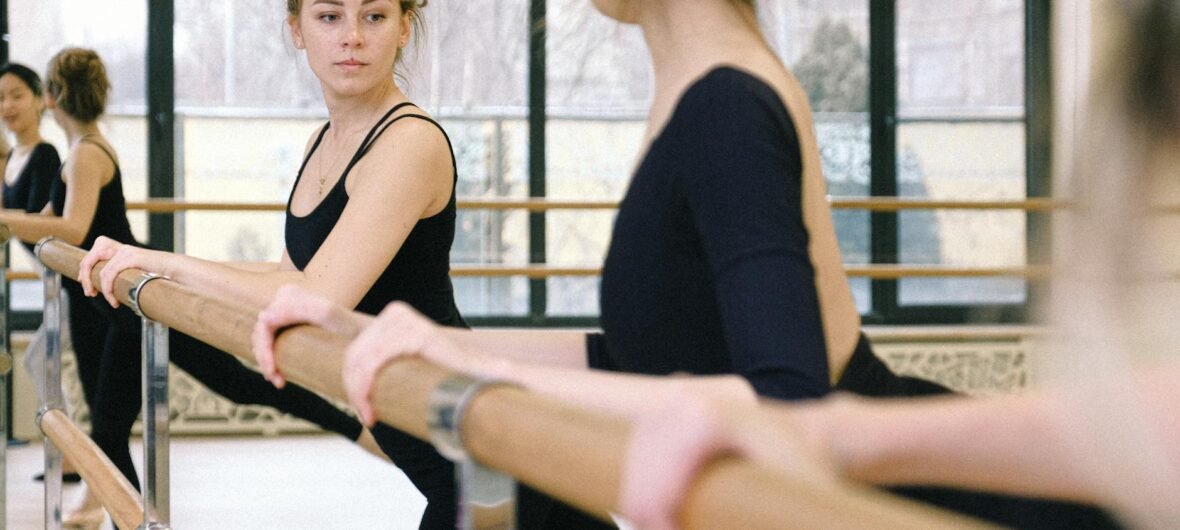
If you’ve ever dismissed barre as “just a workout class,” it’s time to reconsider. Barre training draws directly from classical ballet technique — the same foundational movement principles that professional dancers spend years perfecting. When done right, a quality barre class builds the turnout strength, core stability, port de bras awareness, and neuromuscular control that translate directly onto the dance floor, stage, or studio.
The best online barre classes that count as dance training in 2026 go far beyond pulsing your thighs. They teach body alignment, musicality, spatial awareness, and the kind of deliberate movement quality that separates trained dancers from casual movers. Whether you’re a beginner building your first foundation or an intermediate dancer cross-training between technique classes, online barre has genuinely evolved into a serious training tool.
What Makes an Online Barre Class “Count” as Dance Training?
Not every barre class earns a place in your dance training schedule. Here’s what to look for when evaluating whether a program will actually improve your dancing:
- Instruction from dance-trained teachers: Look for instructors with backgrounds in ballet, contemporary, or dance education — not just fitness certification alone.
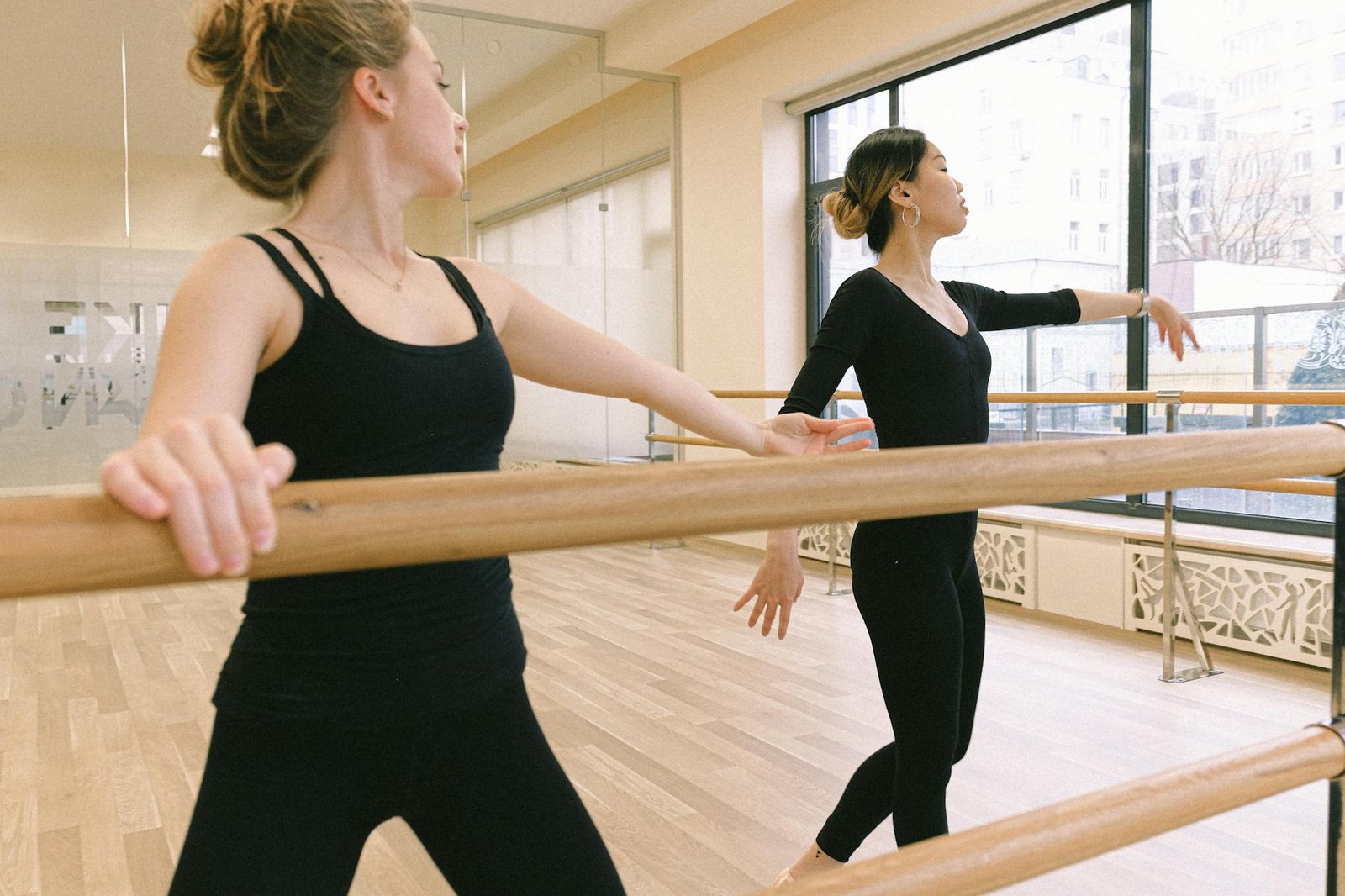
- Emphasis on form over repetition: True dance training prioritizes quality of movement. If a class is just burning your legs without explaining why your hips should stay square, it’s fitness, not dance training.
- Musicality cues: Dance-focused barre classes teach you to move with music, not just to it.
- Progressive curriculum: Look for platforms that build skills over time rather than offering random standalone classes.
- Anatomical language: Teachers who use terms like “anterior pelvic tilt,” “external rotation,” or “opposition” are bridging the gap between fitness and dance.
Top Online Barre Platforms for Dance Training in 2026
These platforms consistently deliver barre instruction that holds up to genuine dance training standards:
1. Align Barre (alignbarre.com)
Founded by former professional ballet dancers, Align Barre has built a reputation as one of the most technically rigorous online barre platforms available. Their curriculum-based approach mirrors what you’d find in a conservatory training environment, with dedicated tracks for beginners, dancers returning from injury, and intermediate movers. Classes range from 20 to 60 minutes and always include detailed alignment cues. Highly recommended for dancers who want structure.
2. Ballet Beautiful (balletbeautiful.com)
Created by former New York City Ballet dancer Mary Helen Bowers, Ballet Beautiful is arguably one of the most recognized names in online barre and ballet-based training. Her programs are used by professional dancers, models, and serious enthusiasts alike. The platform offers streaming classes and downloadable workouts that focus heavily on ballet aesthetics — elongation, posture, and graceful strength. If you’re an intermediate dancer looking to refine your lines, this is a strong pick.
3. The Barre Code (thebarrecode.com)
A great option for beginners, The Barre Code blends foundational ballet technique with accessible instruction. Their online library includes beginner-specific series that introduce turnout, plié mechanics, and arm coordination in a non-intimidating way. It’s an excellent bridge between pure fitness and formal dance training.
4. Peloton Barre (available via Peloton app)
The Peloton app — accessible without any equipment for around $12.99/month — includes an expanding barre library with instructors like Emma Lovewell who hold dance backgrounds. While it’s less curriculum-driven than the specialist platforms, Peloton Barre is convenient, polished, and increasingly dance-informed. Good as a supplement to a primary training platform.
5. Barre3 Online (barre3.com)
Barre3 takes a holistic approach, blending ballet barre, Pilates, and mindful movement. Their online platform is particularly strong for dancers who are also working on body awareness, breathwork, and functional strength. Instructors regularly incorporate dance phrasing concepts, making it a thoughtful complement to other dance training.
Essential Equipment to Get the Most from Online Barre Classes
One of the great advantages of online barre is that you don’t need a full studio. However, a few smart investments will dramatically improve your training quality:
- A freestanding ballet barre: The ZENY Portable Ballet Barre (available on Amazon, typically under $60) is a popular and affordable option that adjusts in height and assembles without tools. Having a real barre rather than using a chair keeps your positioning honest and trains proper weight distribution.
- Non-slip socks or ballet slippers: Bloch canvas ballet slippers or Body Wrappers’ canvas split-soles are excellent for barre work and help reinforce correct footwork.
- A quality yoga mat: For floorwork, Pilates-inspired segments, and stretching sequences. The Manduka PRO mat offers the density and grip that dancers prefer over standard foam mats.
- Light resistance bands: Many dance-focused barre programs incorporate resistance band work for rotator cuff strength and hip stability. A set like the Fit Simplify Resistance Loop Bands (widely available on Amazon) covers all resistance levels for under $15.
- A large mirror (optional but valuable): Self-correction is a key part of dance training. If you can set up a mirror in your practice space, your progress will accelerate significantly.
How to Structure Barre Into Your Existing Dance Training Schedule
Adding online barre effectively means being intentional about how it fits with your other training. Here’s a practical weekly framework for dance enthusiasts at beginner to intermediate level:
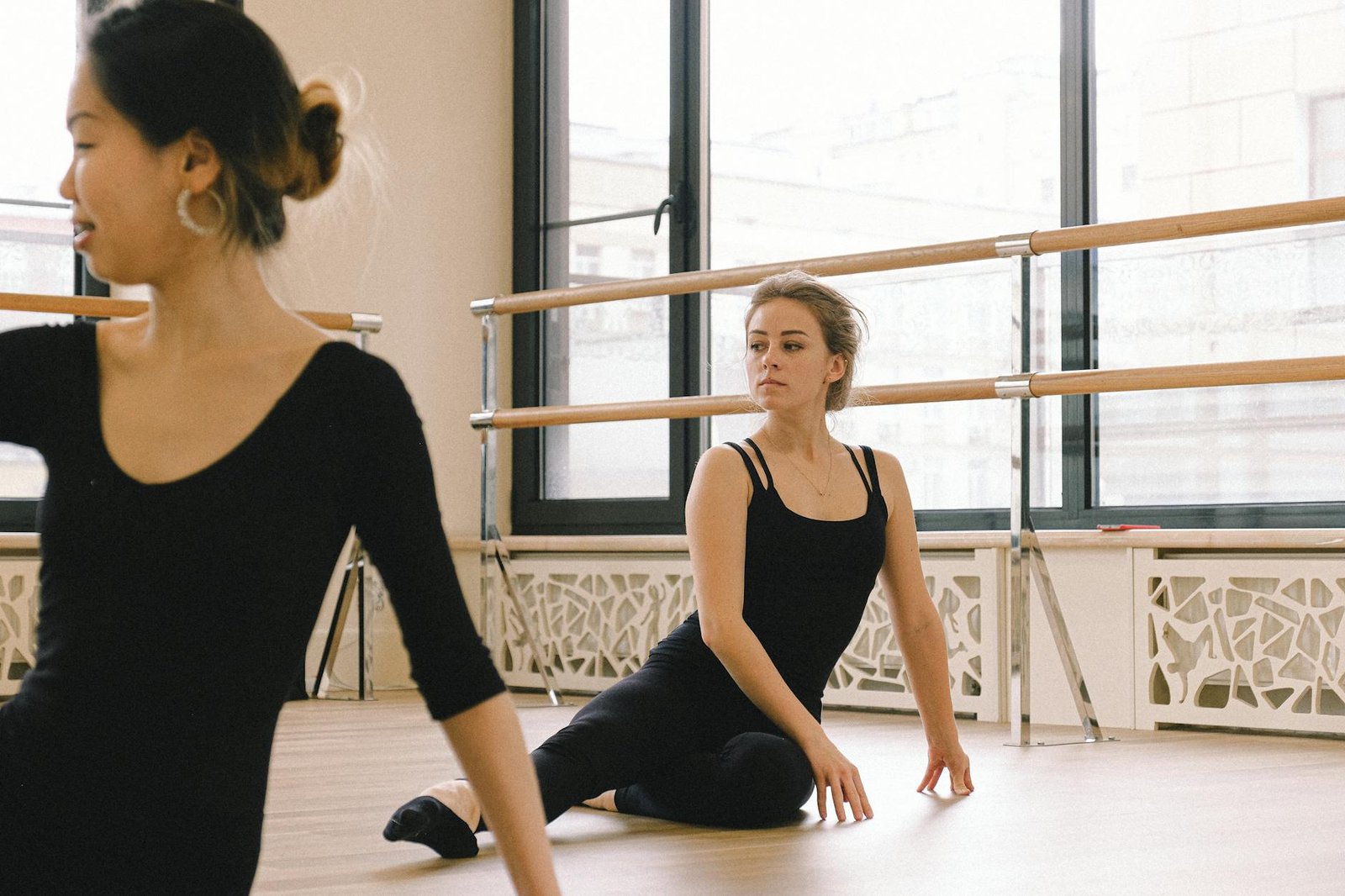
- 2–3 barre sessions per week: Treat these like technique classes, not just cardio. Show up focused, move slowly when needed, and take notes on corrections you give yourself.
- Pair barre with your primary dance style: If you study contemporary, let barre reinforce your center work and floor transitions. If you’re learning jazz or musical theatre, use barre to develop the clean lines and balance control that elevate your performance quality.
- Use shorter classes on recovery days: Many platforms offer 20–30 minute gentle barre or stretch-focused sessions perfect for active recovery between more intense rehearsals or classes.
- Film yourself occasionally: Dance training is visual. Recording a short clip of your barre work every few weeks lets you track genuine progress in posture, turnout, and coordination.
Beginner Tips: Getting the Most Out of Your First Month
If you’re brand new to barre and dance training, the first month can feel humbling — and that’s completely normal. Here’s how to set yourself up for success:
- Prioritize form over range of motion. A small, correctly performed plié is worth ten times more than a deep one with poor alignment.
- Don’t skip the warm-up. Dance-trained teachers design warm-ups to prepare your joints and nervous system, not just your muscles.
- Learn the vocabulary. Terms like relevé, dégagé, and grand battement will come up regularly. Keeping a small notebook of terminology helps you follow class instructions more fluidly.
- Be patient with turnout. External hip rotation is a trained adaptation that develops over months and years. Never force it from the knee or ankle.
Final Thoughts: Your Dance Training Starts at the Barre
The best online barre classes that count as dance training in 2026 are more accessible, more sophisticated, and more dance-authentic than ever before. Platforms like Align Barre, Ballet Beautiful, and Barre3 offer instruction that genuinely builds the technical foundation dancers need — regardless of your level or style. Paired with the right home setup and a consistent weekly schedule, online barre can be one of the most powerful tools in your dance development toolkit.
Ready to start? Choose one platform from our list above, invest in a portable barre, and commit to three sessions this week. Your posture, your balance, and your dancing will all thank you for it. Have a favorite barre platform we didn’t mention? Drop it in the comments — we’d love to hear what’s working for fellow dancers in 2026!