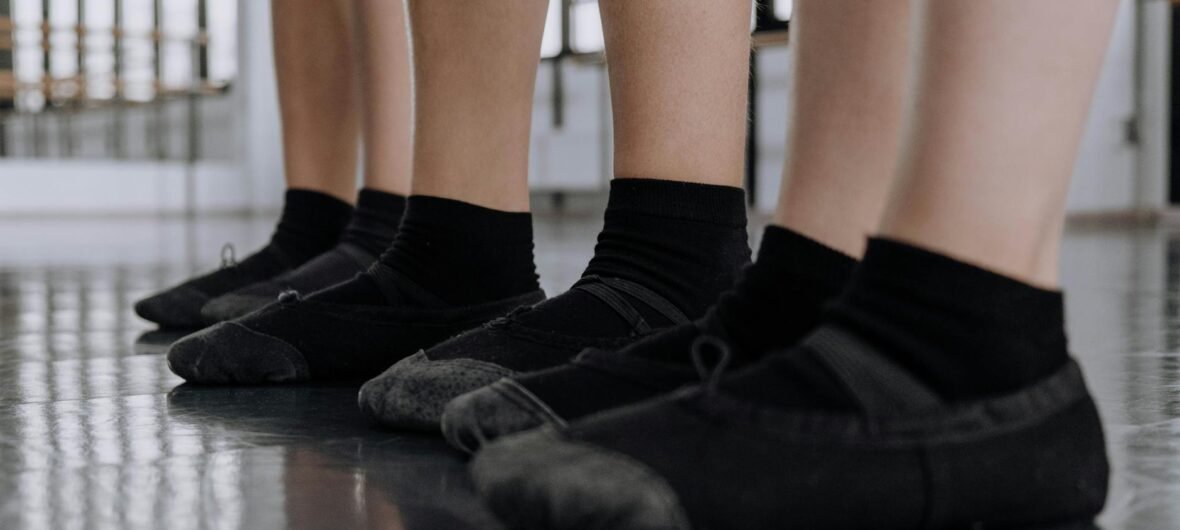
Irish dance has two distinct footwear categories: soft shoes (also called gillies or jazz shoes in Irish dance) for lighter, faster reels and jigs, and hard shoes (often called heavy shoes or jig shoes) with fiberglass tips and heels for the percussive stamping and clicking work of hornpipes and treble jigs. Beginners typically start with soft shoes and learn the basics of Irish dance footwork before hard shoes are introduced — usually after the first 6–12 months of training depending on the school’s curriculum.
This guide reviews seven of the best Irish dance shoes for beginners, covering both soft shoe gillie styles and the beginner-appropriate hard shoe options, evaluating construction, fit, durability, and which options best suit students starting in an Irish dance school or feis competition program.
Quick Comparison: Best Irish Dance Shoes for Beginners (2026)
| Product | Category | Rating | Best For | Price |
|---|---|---|---|---|
| Feis Fayre Girls Irish Dance Gillies Soft Shoe Black | Best Overall Soft Shoe | ⭐ 4.6/5 | Beginning Irish dance students (ages 6–14) who need their first soft shoe gillie | Check Price |
| Antonio Pacelli Premium Irish Dance Gillie Black Leather | Best Premium Soft Shoe | ⭐ 4.7/5 | Serious beginning students whose teacher recommends a premium-construction gillie | Check Price |
| Capezio Irish Dance Reel Shoe Beginner Hard Shoe | Best Beginner Hard Shoe | ⭐ 4.5/5 | Beginning students transitioning from soft shoes to their first hard shoe | Check Price |
| Feis Fayre Boys Irish Dance Reel Hard Shoe Black | Best Hard Shoe Value | ⭐ 4.4/5 | Male students who need a well-made hard shoe at an accessible price | Check Price |
| Hullachan Pro Soft Shoe Irish Dance Gillie Women’s | Best for Wide Feet | ⭐ 4.5/5 | Students with wide feet who struggle to fit in standard-width Irish dance gillies | Check Price |
| Rutherford Irish Dance Poodle Sock Dance Stocking | Best Companion Accessory | ⭐ 4.6/5 | Irish dance students who need the traditional white poodle socks for feis competition | Check Price |
| TF Supplies Irish Dance Shoe Bag and Care Kit | Best Care Kit | ⭐ 4.4/5 | Beginning students who need a complete Irish dance shoe care and storage solution | Check Price |
Detailed Reviews
1. Feis Fayre Girls Irish Dance Gillies Soft Shoe Black
Best for: Beginning Irish dance students (ages 6–14) who need their first soft shoe gillie | ⭐ 4.6/5
Feis Fayre is one of the most trusted brands in Irish dance footwear for students, and their classic black gillie is the soft shoe that the majority of beginning Irish dance students in the English-speaking world start with. The leather construction molds to the foot over time without losing its shape, the lacing system provides the secure ankle wrap that Irish dance gillies require for proper footwork technique, and the split leather sole allows the floor feel that soft shoe reels and jigs demand. The durability is above average for the price point — most beginning students get a full year of weekly classes and competitive feiseanna from their first pair of Feis Fayre gillies before the first replacement is needed.
Pros
- ✓ Trusted by Irish dance schools worldwide for first-year student soft shoe fitting
- ✓ Leather molds to foot over time while maintaining shape between sessions
- ✓ Split leather sole provides the floor feel that soft shoe reels and jigs require
Cons
- ✗ Lacing takes longer to learn than standard shoe tying for young beginners
- ✗ Leather requires periodic conditioning to prevent cracking in dry storage conditions
2. Antonio Pacelli Premium Irish Dance Gillie Black Leather
Best for: Serious beginning students whose teacher recommends a premium-construction gillie | ⭐ 4.7/5
Antonio Pacelli is one of the two or three most respected Irish dance brands in competition feis environments, and the Premium Gillie is their flagship soft shoe. The hand-lasted leather construction provides a more precise and responsive fit than mass-produced alternatives, the sole is cut and attached with the care that competition adjudicators can distinguish from cheaper alternatives, and the range of sizes extends into the very small sizes needed for the youngest competitive Irish dancers. Schools that compete in Oireachtas and World Championship feiseanna often specify Antonio Pacelli as their school shoe — the consistent quality is what maintains the uniform appearance that Irish dance competition requires.
Pros
- ✓ Hand-lasted construction provides competition-quality fit precision
- ✓ Competition adjudicators can distinguish the quality of premium gillie construction
- ✓ Size range extends to very small sizes needed for youngest competitive students
Cons
- ✗ Premium competition-grade price reflects hand-lasted construction investment
- ✗ Professional fit approach benefits most from in-person fitting with a qualified fitter
3. Capezio Irish Dance Reel Shoe Beginner Hard Shoe
Best for: Beginning students transitioning from soft shoes to their first hard shoe | ⭐ 4.5/5
The transition from soft shoes to hard shoes is a significant milestone in Irish dance training, and Capezio’s beginner hard shoe is specifically designed for students making this transition — the fiberglass tip and heel are present but constructed at a weight and hardness appropriate for a beginning hard shoe student, rather than the competition-grade heaviness that advanced students use. The lower-profile tip and heel allow the student to develop the correct heel-toe stamping and clicking technique without the acoustic volume and impact force that full competition hard shoes demand. Irish dance teachers who introduce hard shoes carefully and progressively specify beginner hard shoes during the initial learning phase before upgrading to competition-grade equipment.
Pros
- ✓ Beginner-appropriate tip and heel weight suitable for initial hard shoe skill development
- ✓ Allows proper heel-toe technique development without full competition hard shoe impact force
- ✓ Capezio construction quality appropriate for the transition phase of hard shoe introduction
Cons
- ✗ Beginner tip and heel weight outgrown quickly — typically 1-2 years before competition grade needed
- ✗ Less acoustic presence than competition hard shoes — noticeable in class settings
4. Feis Fayre Boys Irish Dance Reel Hard Shoe Black
Best for: Male students who need a well-made hard shoe at an accessible price | ⭐ 4.4/5
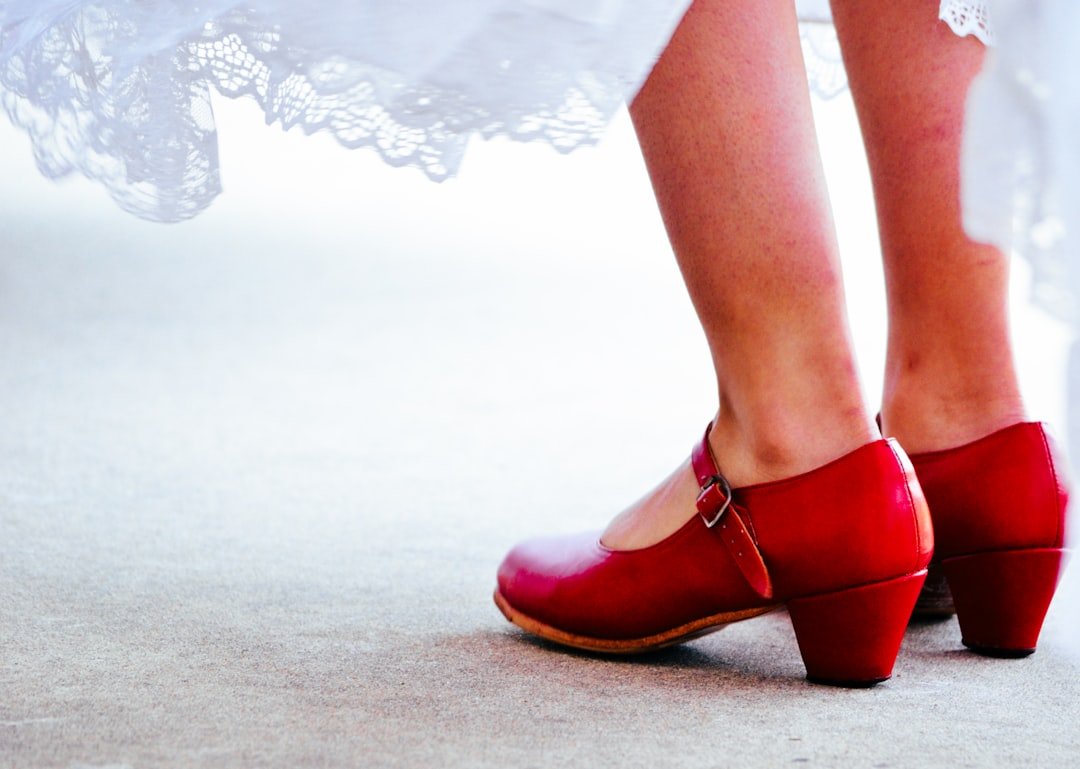
Feis Fayre’s hard shoe provides the full fiberglass tip and heel construction of a proper Irish dance hard shoe at a price that makes the transition from soft shoes financially manageable. The construction quality is consistent with the brand’s reputation — durable, reliably made, and appropriate for competition feiseanna at local through regional level. Male Irish dance students, who make up a smaller portion of the market and often have fewer sizing options than female students, will find Feis Fayre’s range of men’s and boys’ sizes covers most feet more completely than smaller brands. A reliable, honest hard shoe for the price point that serves beginning and intermediate students well.
Pros
- ✓ Accessible price makes the soft-to-hard shoe transition financially manageable
- ✓ Reliable Feis Fayre construction appropriate for local through regional competition level
- ✓ Better men’s and boys’ size range than smaller specialty brands
Cons
- ✗ Quality below premium competition brands for the highest level of feis competition
- ✗ May need replacement sooner than premium alternatives at high training volumes
5. Hullachan Pro Soft Shoe Irish Dance Gillie Women’s
Best for: Students with wide feet who struggle to fit in standard-width Irish dance gillies | ⭐ 4.5/5
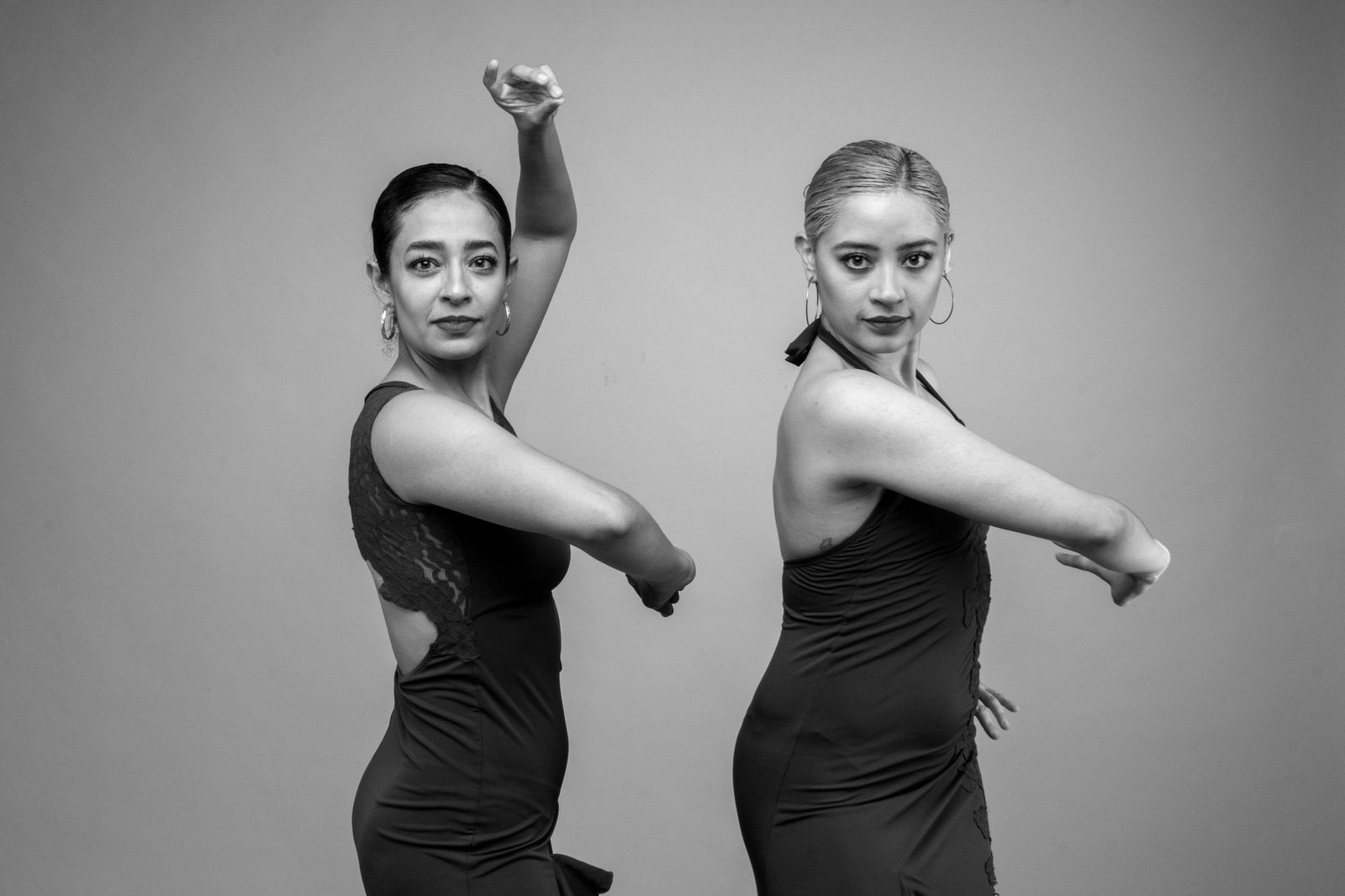
Hullachan is known in the Irish dance community for its wider fit options — particularly useful for students whose feet are too wide for the standard Feis Fayre and Antonio Pacelli gillies that most schools recommend. The Hullachan Pro gillie is available in wider widths than most competitors, and the leather is slightly more supple during the initial wearing period, which makes the break-in process less painful for students whose feet require wide-width accommodation. Irish dance teachers who have students repeatedly reporting pain in the toe box of standard gillies typically recommend the Hullachan as the wide-width alternative before accepting that the student simply cannot wear the genre-standard design.
Pros
- ✓ Wide-width options for students who cannot fit standard gillie toe boxes
- ✓ More supple initial leather reduces break-in pain for wide-footed students
- ✓ Hullachan reputation in Irish dance community for accommodating atypical foot shapes
Cons
- ✗ Wide-fit design may feel loose for students with standard foot widths
- ✗ Less widely stocked than Feis Fayre — may require specialist ordering and longer lead time
6. Rutherford Irish Dance Poodle Sock Dance Stocking
Best for: Irish dance students who need the traditional white poodle socks for feis competition | ⭐ 4.6/5
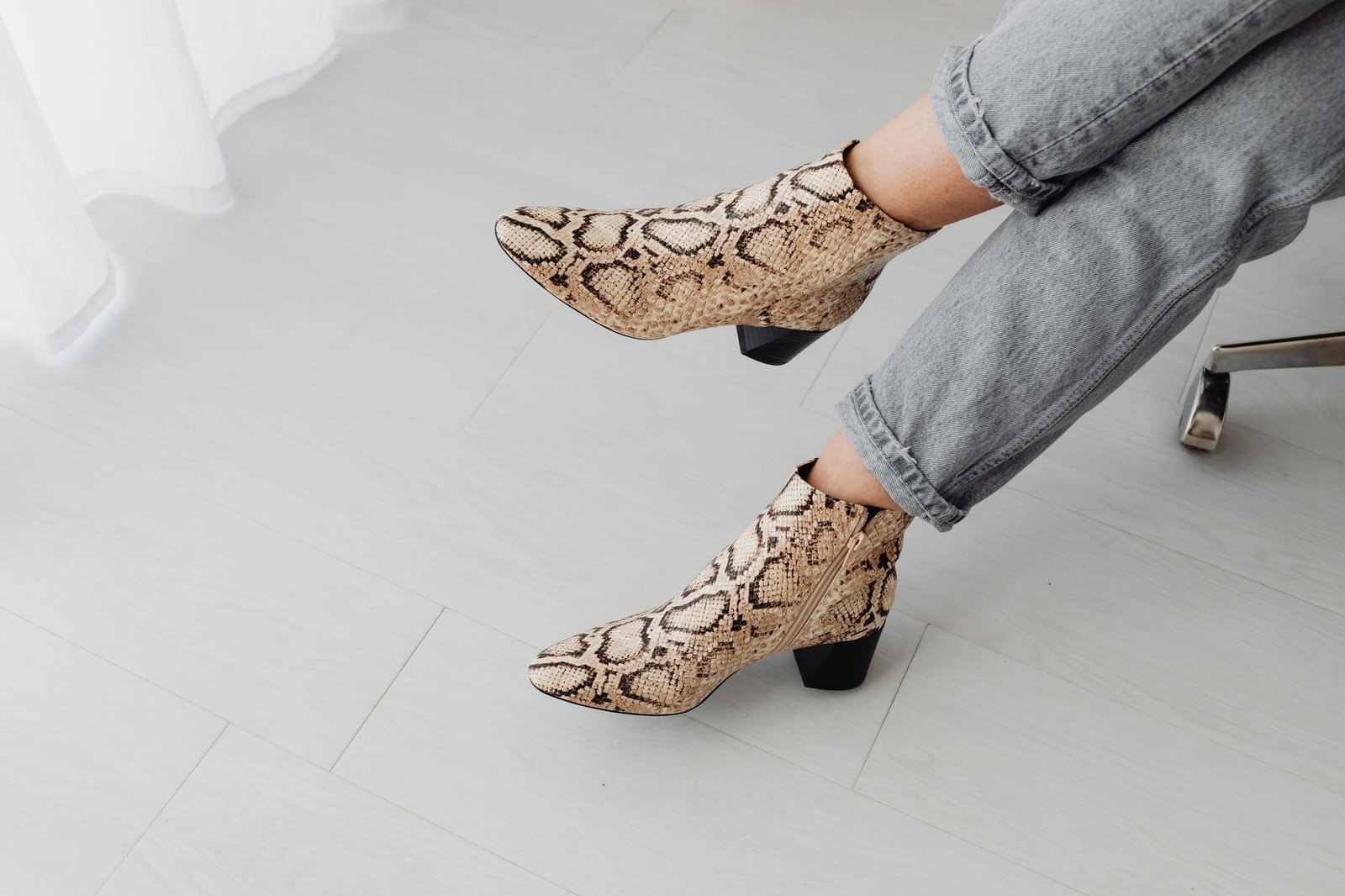
Technically not a shoe, the Irish dance poodle sock is as essential a part of the Irish dance competition uniform as the shoes themselves — the traditional frilled white sock that reaches to just below the knee is required at feiseanna from beginner through championship level in most competition bodies. Rutherford’s poodle socks are the most trusted brand among competition Irish dancers for their consistent white brightness, the resilience of the frill through repeated washing, and the elastic that holds the sock at the correct below-the-knee height without sliding down during a reel or jig performance. For students preparing for their first feis, the correct poodle socks are as important a purchase as the shoes.
Pros
- ✓ Consistent white brightness required for competition — holds through repeated competition washing
- ✓ Frill resilience maintained through the repeated washing of a competition season
- ✓ Elastic holds at correct below-knee height without sliding during performance
Cons
- ✗ Required accessory, not a shoe — must be purchased in addition to appropriate footwear
- ✗ Frills require careful handling in the wash to maintain their shaped appearance
7. TF Supplies Irish Dance Shoe Bag and Care Kit
Best for: Beginning students who need a complete Irish dance shoe care and storage solution | ⭐ 4.4/5
Irish dance shoes — particularly the leather gillies — require specific care to maintain their shape, condition the leather, and prevent the sole separation that occurs when leather is allowed to dry out completely between sessions. TF Supplies’ Irish dance shoe bag and care kit includes a correctly sized shoe bag for gillie protection between classes, leather conditioner appropriate for dance shoe leather, and a small polishing cloth. For a beginning student’s parent who is unfamiliar with dance shoe care requirements, this kit provides a complete, appropriately chosen set of tools without requiring individual sourcing of each component. A sound starter investment alongside a first pair of gillies.
Pros
- ✓ Complete care kit requires no individual component sourcing for beginner families
- ✓ Leather conditioner appropriate for dance shoe leather specifically
- ✓ Shoe bag protects gillie shape between classes and during transport to feiseanna
Cons
- ✗ Care kit price adds to the total first-shoe investment for budget-conscious families
- ✗ Generic kit — experienced Irish dance families may prefer specific brand conditioners
Buying Guide: What to Look for
Beginning Irish dance footwear requires understanding the specific requirements of the form:
- Soft Shoes First: Most Irish dance programs begin students with soft shoes (gillies) and teach basic reels and jigs before introducing hard shoes. Follow your teacher’s specific timeline — introducing hard shoes before the student is ready creates bad habits.
- Lacing: Irish dance gillies use a distinctive lacing pattern that wraps around the ankle. Your teacher or school will demonstrate the correct method. Incorrect lacing affects both appearance and performance.
- Fit: Irish dance gillies fit more snugly than street shoes — typically one full size smaller, as the split leather sole stretches with use. Your teacher or a specialist fitter should confirm the correct size before purchasing.
- Hard Shoe Timing: Hard shoe introduction varies by school — some introduce at 6 months, others at 12–18 months. Never purchase hard shoes before your teacher recommends them, as the physical demands of hard shoe stamping can cause injury in students who are not technically ready.
- Feiseanna: Irish dance competitions (feiseanna) have specific uniform requirements including approved shoe styles. Check with your school’s feis director about approved styles before purchasing shoes intended for competition use.
Frequently Asked Questions
What is the difference between an Irish dance soft shoe and a hard shoe?
Soft shoes (gillies or pumps) are flexible leather shoes used for reels, light jigs, and slip jigs — the lighter, faster dances of Irish dance. Hard shoes have fiberglass tips and heels that create percussion during treble jig and hornpipe performance, producing the characteristic clicking and stamping sounds of Irish step dance. Both types are essential as a dancer progresses.
How should Irish dance gillies fit?
Gillies should fit snugly — typically one full size smaller than your street shoe size. The leather stretches with use. There should be no gap between the toes and the end of the shoe, and the lacing should wrap the ankle firmly without restricting circulation. A specialist fitter should confirm sizing before purchase.
How do I clean Irish dance gillies?
Brush loose dirt off with a soft brush. Apply a small amount of appropriate leather conditioner to prevent the leather from drying and cracking. Do not soak the leather or machine-wash gillies. Allow to air dry naturally away from direct heat. Store in a shoe bag to maintain shape.
How long do Irish dance shoes last?
Beginning students who attend one to two classes per week typically get 12–18 months from their first pair of gillies before outgrowing or wearing them through. More intensive students and competitors may need replacement every 6–9 months. Hard shoes last longer but the fiberglass tips eventually wear down and require professional replacement.
Do I need to break in Irish dance shoes?
Yes — leather gillies require 2–4 sessions of wearing before they conform to the foot’s shape. Begin with shorter wearing periods in the first session, and condition the leather before the first wearing. Hard shoes also require break-in — the tip and heel are initially very stiff and soften over the first few weeks of use.
Final Verdict
For most beginning Irish dance students, Feis Fayre soft shoe gillies represent the most trusted, teacher-recommended starting point — their durability, consistent quality, and widespread availability make them the default recommendation for first-year students. Wide-footed students who cannot fit Feis Fayre should try Hullachan’s wider construction. Students recommended by their teacher to begin hard shoes should start with the Capezio beginner hard shoe before graduating to competition-grade alternatives. Regardless of brand, always size with a specialist or experienced teacher — Irish dance shoes have specific sizing conventions that differ significantly from street shoes.