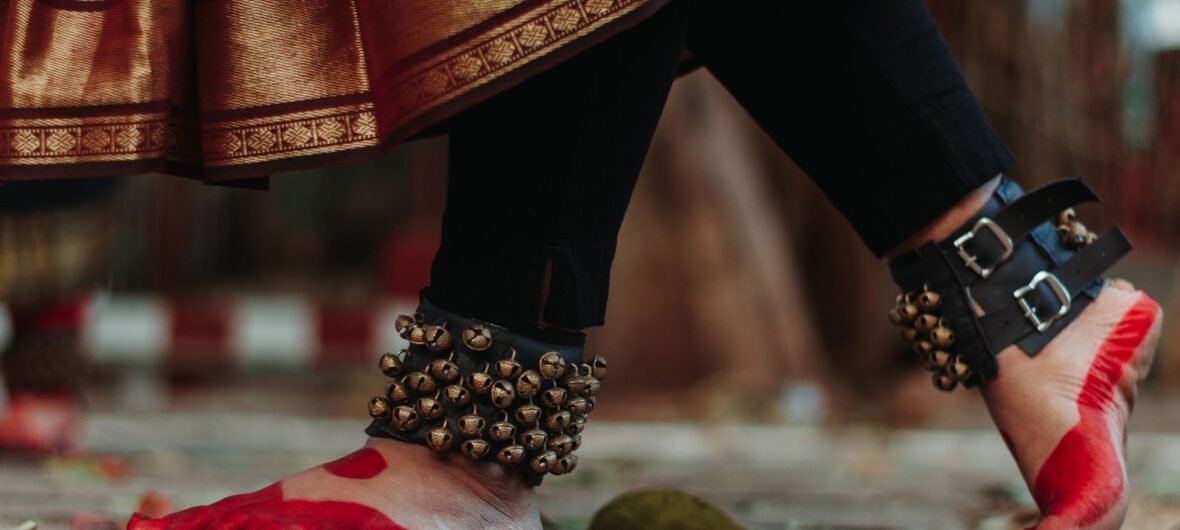
Ghungroo — the traditional ankle bells of Indian classical dance — are not decorative accessories but essential musical instruments. In forms like Bharatanatyam, Kathak, Kuchipudi, Manipuri, and Odissi, the dancer’s footwork creates percussive patterns (nritta) that are a primary musical element of the performance, and the clarity, resonance, and volume of the ghungroo directly affect the musical quality of the performance. The bells must be precisely tuned to produce a clear ring rather than a muddy rattle, the binding must hold the bells securely in position throughout extended performance, and the padding must protect the ankle from the bruising that unpadded metal binding causes during hours of intensive footwork training.
This guide reviews seven of the best ghungroo ankle bells and Indian classical dance accessories, evaluating bell tone quality, bell count and volume, padding quality, binding construction, and the specific dance forms and performance levels each product suits.
Quick Comparison: Best Indian Classical Dance Ankle Bells and Ghungroo (2026)
| Product | Category | Rating | Best For | Price |
|---|---|---|---|---|
| Ghungroo Brass Ankle Bells 100 Bells Per Pair Professional | Best Overall | ⭐ 4.7/5 | Bharatanatyam, Kathak, and other classical Indian dance forms at intermediate and advanced levels | Check Price |
| Ghungroo 50 Bells Beginner Student Ankle Bells Pair | Best for Beginners | ⭐ 4.5/5 | Beginning classical Indian dance students learning their first footwork patterns | Check Price |
| Kathak Dance Ghungroo 150 Bells Professional Performance | Best 150-Bell Professional | ⭐ 4.6/5 | Advanced Kathak performers who need maximum bell count for large auditorium performance | Check Price |
| Bharatanatyam Ghungroo Bronze Bell Classical South Indian | Best Bronze Bell | ⭐ 4.5/5 | Bharatanatyam students and performers who prefer the warmer tone of bronze bells over bright brass | Check Price |
| Ghungroo Carrying Pouch and Storage Bag Traditional | Best Storage Accessory | ⭐ 4.4/5 | Classical dancers who need proper storage for their ghungroo between practice and performance | Check Price |
| Dance Bell Ankle Strap Replaceable Binding Cotton | Best Replacement Binding | ⭐ 4.3/5 | Classical dancers whose ghungroo bells are in good condition but whose binding has worn out | Check Price |
| Ankle Bell Set Mixed Classical and Folk Styles | Best Folk Dance Style | ⭐ 4.4/5 | Folk and semi-classical Indian dancers who need ankle bells for Bharatanatyam-influenced folk performance | Check Price |
Detailed Reviews
1. Ghungroo Brass Ankle Bells 100 Bells Per Pair Professional
Best for: Bharatanatyam, Kathak, and other classical Indian dance forms at intermediate and advanced levels | ⭐ 4.7/5
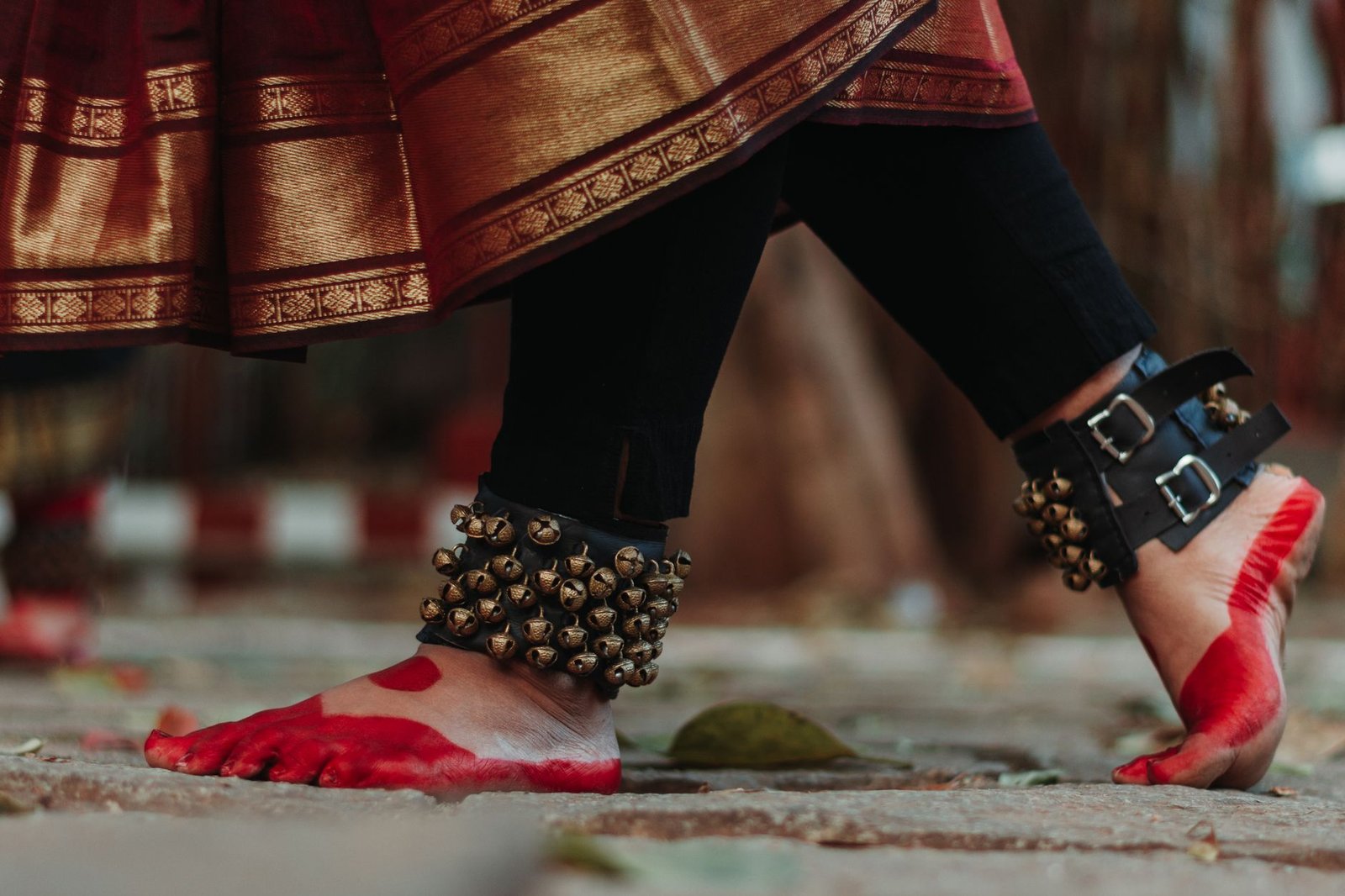
The 100-bell-per-ankle ghungroo set is the standard for most classical Indian dance contexts — the density of bells (100 per ankle, 200 total) produces adequate volume for performances in medium-sized auditoriums without amplification, and the bell quality at this count level allows the percussive clarity that experienced teachers and audiences expect from trained classical dancers. The brass bells in this set are cast from quality brass alloy that produces a bright, resonant ring — inferior bells made from cheaper metal produce a dull, short-sustain sound that experienced practitioners immediately recognize as inadequate. The cotton wrap binding is thick enough to protect the ankle from the metal ring hardware while the adjustable length accommodates most ankle circumferences.
Pros
- ✓ 100 bells per ankle produces standard performance volume for medium-sized auditoriums without amplification
- ✓ Quality brass alloy casting produces bright resonant ring — not the dull sound of cheaper metal alternatives
- ✓ Cotton wrap binding protects ankle from metal hardware while adjustable length accommodates most ankle sizes
Cons
- ✗ 100-bell weight per ankle noticeable during extended practice — ankle fatigue develops before physical foot fatigue
- ✗ Bell adjustment for optimal wrapping position requires practice — experienced guidance recommended for first-time users
2. Ghungroo 50 Bells Beginner Student Ankle Bells Pair
Best for: Beginning classical Indian dance students learning their first footwork patterns | ⭐ 4.5/5
Beginning classical Indian dance students starting their first lessons face a specific challenge with ghungroo — they must learn footwork patterns while simultaneously developing the ankle and foot strength that supports extended ghungroo wear. Beginning with the 100-bell set that trained dancers use can cause ankle discomfort and fatigue before the student has developed sufficient technique to benefit from class. The 50-bell beginner set provides enough bell count to hear footwork clearly (important for the student’s own ear training) without the weight that would cause premature fatigue. As footwork patterns solidify and ankle conditioning develops over 6–12 months of regular class, the student can progress to the 100-bell standard set.
Pros
- ✓ 50-bell weight appropriate for beginning students developing ankle strength and foot conditioning
- ✓ Adequate bell count for student ear training — footwork can be heard clearly at close range
- ✓ Beginner progression — students naturally advance to 100-bell sets as conditioning and technique develop
Cons
- ✗ 50 bells insufficient for performance volume in any space larger than a small studio — not appropriate for recital or performance use
- ✗ Students may feel self-conscious about the reduced bell count in mixed-level class settings
3. Kathak Dance Ghungroo 150 Bells Professional Performance
Best for: Advanced Kathak performers who need maximum bell count for large auditorium performance | ⭐ 4.6/5
Kathak — the North Indian classical dance form — uses more bells per ankle than South Indian forms because the Kathak performance context (larger proscenium stages, often without dance-microphone amplification infrastructure) and the footwork style (which includes extended tatkar passages at high speed) both require maximum acoustic projection. 150 bells per ankle (300 total) produces the volume and density of sound that large Kathak performance contexts require. This 150-bell set uses selected bells for tone consistency across all 150 — the most critical quality factor in a high-bell-count set, since poorly matched bells create a muddy aggregate sound rather than a clear, dense ring.
Pros
- ✓ 150 bells per ankle provides maximum acoustic projection for large proscenium stages without amplification
- ✓ Selected bells for tone consistency — critical for clear sound quality in high-bell-count sets
- ✓ Appropriate for advanced Kathak tatkar passages that require maximum volume and density
Cons
- ✗ 150-bell weight per ankle significant — appropriate only for dancers with fully developed ankle strength and conditioning
- ✗ Larger sets require longer wrapping time — allow extra pre-performance time for proper attachment
4. Bharatanatyam Ghungroo Bronze Bell Classical South Indian
Best for: Bharatanatyam students and performers who prefer the warmer tone of bronze bells over bright brass | ⭐ 4.5/5

While most widely available ghungroo use brass bells, some Bharatanatyam traditions and families prefer bronze bells for their sound character — bronze produces a warmer, slightly more mellow ring with a longer sustain than the brighter, faster-decaying ring of brass. The difference is audible to trained ears and is a matter of tradition and artistic preference rather than quality hierarchy — some gurus strongly prefer one metal, others the other. This bronze bell ghungroo set is available in the 100-bell standard count and uses the cotton-binding wrap construction appropriate for Bharatanatyam performance and training.
Pros
- ✓ Bronze bell produces warmer, longer-sustain ring preferred in some Bharatanatyam traditions
- ✓ 100-bell count appropriate for standard Bharatanatyam performance contexts
- ✓ Cotton binding construction appropriate for Bharatanatyam wrap method
Cons
- ✗ Bronze bell sound preferred in some traditions but not others — consult your guru before purchasing if uncertain
- ✗ Bronze bells may develop a darker patina over time — requires occasional polishing to maintain visual appearance
5. Ghungroo Carrying Pouch and Storage Bag Traditional
Best for: Classical dancers who need proper storage for their ghungroo between practice and performance | ⭐ 4.4/5
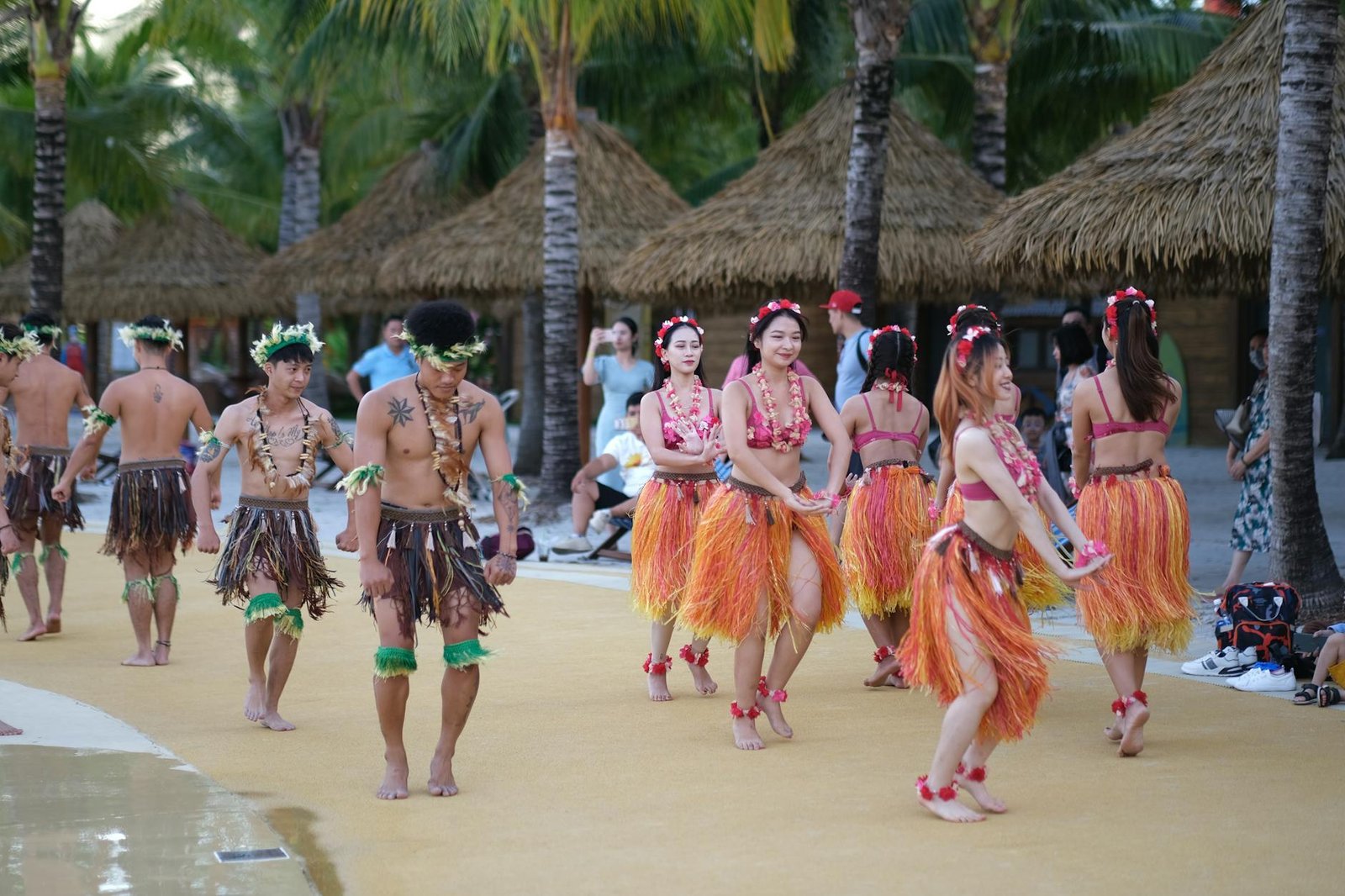
Ghungroo require specific storage care that most dancers learn from their teachers — storing ghungroo in a ball or tangled bundle causes individual bell rings to become interlinked, which is both time-consuming to untangle and risks deforming the rings in ways that affect sound quality. A dedicated ghungroo carrying pouch with separate chambers for each ankle’s bells allows the bands to be stored flat and separated, preventing tangling, and protects the bells from impact damage during transport. Traditional ghungroo pouches in cotton or silk fabric are used in most classical dance schools as part of the student’s proper relationship to their instruments.
Pros
- ✓ Separate chambers prevent tangling that occurs when both ankle bands are stored together
- ✓ Flat storage maintains bell and ring integrity — prevents the deformation that tangling causes
- ✓ Traditional fabric construction honors the cultural significance of ghungroo as sacred dance instruments
Cons
- ✗ Storage pouches are a separate purchase most suppliers do not include with ghungroo sets — often overlooked by beginners
- ✗ Size must accommodate your specific bell count — verify pouch size against your bell set dimensions before purchasing
6. Dance Bell Ankle Strap Replaceable Binding Cotton
Best for: Classical dancers whose ghungroo bells are in good condition but whose binding has worn out | ⭐ 4.3/5
Ghungroo are a two-part apparatus — the bells themselves and the binding (ankle wrap) that holds them in place. While quality brass and bronze bells can last for years or decades with proper care, the cotton or velvet binding that secures them to the ankle wears out much faster, particularly in the areas that experience the most tension and friction during the wrapping process. Replacing the binding before the bells rather than purchasing a complete new ghungroo set is the economically sensible approach. This replacement binding set provides new cotton wrap straps compatible with the most common bell threading methods, allowing the dancer to preserve their existing bells while restoring the secure fit that worn binding can no longer provide.
Pros
- ✓ Extends the useful life of quality bells — replace only the worn binding rather than the complete set
- ✓ Cotton wrap material appropriate for the most common Bharatanatyam and Kathak binding methods
- ✓ Economical alternative to full replacement when only the binding component has worn out
Cons
- ✗ Threading bells onto new binding requires patience and dexterity — first-time restringing benefits from teacher guidance
- ✗ Binding replacement preserves bells only — if bells themselves have been deformed or lost, complete replacement is needed
7. Ankle Bell Set Mixed Classical and Folk Styles
Best for: Folk and semi-classical Indian dancers who need ankle bells for Bharatanatyam-influenced folk performance | ⭐ 4.4/5
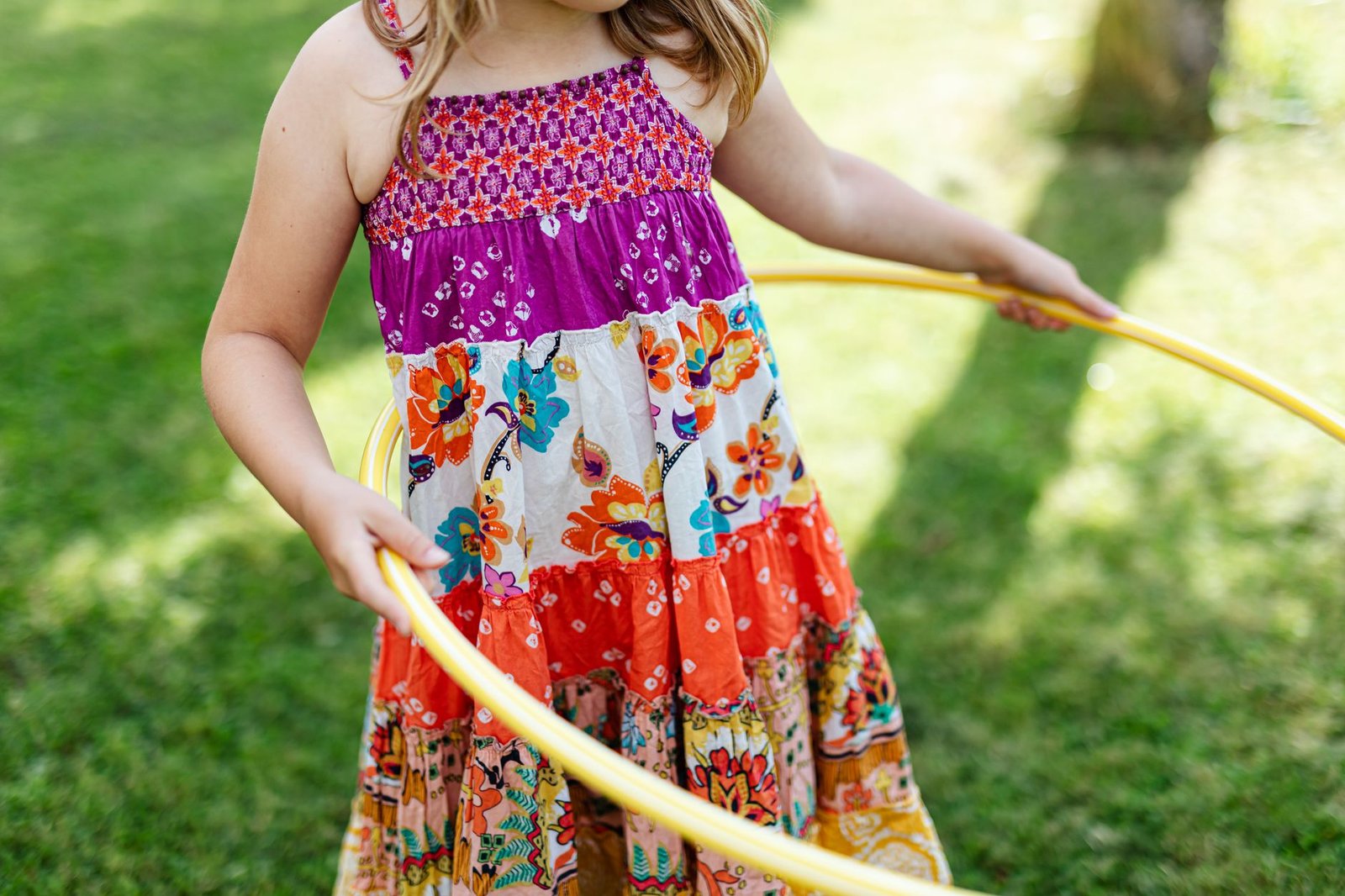
Not all Indian dance contexts require the precise tuning and professional-grade construction of classical ghungroo — folk dance performances (Garba, Kuchipudi folk fusion, Lavani, Bhangra-influenced dance forms) use ankle bells in a more general accessory capacity rather than as precision percussive instruments. This folk-style ankle bell set provides an attractive, bell-laden ankle accessory appropriate for semi-classical and folk Indian dance performance without the investment that professional ghungroo requires. The bells produce adequate sound for the performance contexts that folk dance uses, and the closure mechanism is simpler than the wrapped binding of classical ghungroo.
Pros
- ✓ Folk dance appropriate bell set for semi-classical and folk Indian dance performance contexts
- ✓ Simpler closure mechanism than classical wrapped binding — faster to apply before performance
- ✓ More affordable than professional classical ghungroo — appropriate for the less precision-demanding folk context
Cons
- ✗ Bell tone quality and volume insufficient for classical Indian dance performance or intensive training
- ✗ Simpler closure less secure than wrapped binding during intensive footwork sequences — may loosen during performance
Buying Guide: What to Look for
Selecting ghungroo for Indian classical dance requires these tradition-specific considerations:
- Bell Count by Level: Beginners: 50 bells per ankle. Intermediate students (1–3 years training): 100 bells per ankle. Advanced and professional performers: 100–150 bells per ankle depending on dance form and performance space. Do not begin with too many bells — the additional weight causes fatigue before technique develops.
- Bell Metal: Brass bells produce a brighter, faster-decaying ring. Bronze bells produce a warmer, longer-sustaining ring. Most widely available ghungroo use brass. If your guru has a preference, follow their guidance — this is often a tradition-specific choice with cultural and aesthetic significance.
- Guru Guidance: The application and care of ghungroo is taught within the guru-shishya (teacher-student) relationship in most classical Indian dance forms. Do not purchase ghungroo without consulting your teacher about the correct specification for your dance form, level, and tradition. The teacher’s guidance on the correct wrapping method and wear schedule is as important as the bells themselves.
- Proper Wear Schedule: Beginning students should wear ghungroo only during class, not during all practice at home. Wearing ghungroo during unguided practice can entrench incorrect footwork patterns without the teacher’s correction. As technique matures and the teacher approves home ghungroo practice, extending ghungroo wear to home practice reinforces correct footwork developed in class.
- Care: Clean brass bells occasionally by polishing with a soft cloth to maintain the bright appearance and ring quality. Store separately from each other (left and right ankle bands) in a dedicated pouch. Never store ghungroo in plastic bags — the lack of airflow can cause the cotton binding to develop mildew.
Frequently Asked Questions
What is the significance of ghungroo in Indian classical dance?
Ghungroo are not merely accessories — in many Indian classical dance traditions, they are considered sacred instruments that the dancer receives from their guru in a ceremonial context (ghungroo bandhan) that formally initiates the student into the dance form. The bells are treated with reverence — they are not worn casually, not stepped over, and are cared for as instruments rather than equipment. Understanding this cultural significance is part of learning any classical Indian dance form.
How do I wrap ghungroo correctly?
Ghungroo wrapping technique varies between dance forms and between gurus within the same form. In Bharatanatyam, the bells are typically arranged so the highest bells are at the back of the ankle and the lowest at the front. In Kathak, the arrangement may differ. Always learn the wrapping method from your guru rather than from general instructions — incorrect wrapping causes bell sliding during footwork, which affects both sound quality and ankle comfort.
How often should I practice with ghungroo?
Your guru’s guidance takes precedence. Generally, beginning students practice with ghungroo only during class time supervised by the teacher. Intermediate and advanced students practice with ghungroo during all rehearsal and training. Performance always uses ghungroo. Some teachers believe in bare-foot practice for some exercises to develop foot sensitivity before ghungroo are introduced.
How do I know if my ghungroo bells are good quality?
Shake the ghungroo and listen to the sound. Quality bells produce a bright, clear ring where individual bells can be heard within the aggregate sound. Poor quality bells produce a muddy, undifferentiated rattle where no individual bell can be distinguished. Strike the flat of the wrapped band against your palm during footwork — the sound should be crisp and resonant, not dull and short.
Can children learn Indian classical dance with ghungroo from the beginning?
Most classical Indian dance teachers introduce ghungroo to children after 6–12 months of footwork training, once basic patterns have been established. Before ghungroo introduction, children practice footwork to develop muscle memory of patterns without the bell feedback. Introducing ghungroo too early can cause children to modify footwork to maximize bell sound rather than to execute correct technique — the teacher determines the appropriate timing for each student.
Final Verdict
The 100-bell brass ghungroo set is the standard recommendation for most Indian classical dance students and performers — it provides the bell count, tone quality, and binding construction appropriate for intermediate and advanced training and medium-scale performance. Beginners should start with the 50-bell set to develop ankle conditioning before progressing to the standard count. Advanced Kathak performers in large auditoriums should use the 150-bell professional set. Every dancer should invest in a proper storage pouch — the tangling and deformation that occurs without proper storage affects both the sound quality and longevity of quality bells.