Best Dance Shoe Storage and Organization Ideas to Keep Your Collection Tidy
If you’ve been dancing for any length of time, you already know how quickly your shoe collection can spiral out of control. Finding the best dance shoe storage and organization ideas isn’t just about tidiness — it’s about protecting your investment, extending the life of your shoes, and making sure you’re always ready to dance. Whether you own a single pair of ballet flats or a full lineup of tap, jazz, ballroom, and pointe shoes, this guide has practical solutions for every dancer.
Why Proper Dance Shoe Storage Actually Matters
Dance shoes aren’t like regular sneakers. They’re crafted from delicate materials — satin, soft leather, suede soles, and carefully stitched ribbons — that can degrade quickly if stored improperly. Tossing your shoes in the bottom of a bag or leaving them in a pile on the floor exposes them to moisture, dust, and crushing damage that shortens their lifespan significantly.
Proper storage helps you:
- Maintain the shape of structured shoes like character heels and tap shoes
- Prevent odor buildup by allowing airflow between uses
- Protect delicate materials like satin pointe shoes from scuffs and snags
- Save money in the long run by extending the life of each pair
- Stay organized so you never scramble before class or a performance
Now let’s get into the actual solutions that work for real dancers.
Use Clear Shoe Boxes for Easy Visibility
One of the simplest and most effective dance shoe storage ideas is switching to clear stackable shoe boxes. When you can see exactly what’s inside without opening anything, getting ready for rehearsal becomes effortless.
IRIS USA Clear Stackable Shoe Boxes (available on Amazon) are a fan favorite among dancers. They come in standard and large sizes, stack securely, and allow full visibility. Label each box with the dance style — “Ballet,” “Tap,” “Jazz” — using a label maker or even washi tape and a marker for a more colorful, dancer-friendly look.
Pro Tips for Using Clear Boxes:
- Line the bottom of each box with a small silica gel packet to absorb moisture after class
- Keep boxes stacked near your dance bag for a grab-and-go routine
- Store shoes sole-to-sole inside the box to prevent scuffs between pairs
Invest in a Dedicated Dance Bag with Shoe Compartments
If you’re always on the move between school, the studio, and performances, a well-designed dance bag with built-in shoe compartments is one of the best organizational investments you can make. It keeps your shoes separated from your clothes, water bottle, and other gear.
The Sassi Bag and Capezio’s dance duffel bags are popular choices that feature ventilated shoe pockets on the side or bottom. These ventilated sections are key — they let sweat and moisture escape so your shoes dry out between uses instead of breeding bacteria inside a sealed pocket.
Look for a bag that offers:
- At least one dedicated ventilated shoe compartment
- Enough main compartment space for a change of clothes and accessories
- Comfortable shoulder straps or a crossbody option if you’re commuting
- Durable, easy-to-clean material (nylon or coated canvas both work well)
Try an Over-the-Door Shoe Organizer for Home Storage
For dancers with limited floor or shelf space, an over-the-door organizer is a game-changer. These hanging organizers, like the SimpleHouseware Crystal Clear Over Door Shoe Organizer, offer anywhere from 24 to 36 individual pockets that can each hold a single dance shoe or a small pair of flats.
Hang one on your bedroom or closet door and dedicate each row to a different dance style. This method works especially well for softer shoes like ballet slippers, jazz shoes, and lyrical sandals. For heavier shoes like tap or character heels, make sure you’re using a heavy-duty organizer with reinforced pockets so it doesn’t sag or pull away from the door.
Bonus Idea:
Use the extra pockets for dance accessories like hairnets, bobby pins, resistance bands, and grip socks. It turns one organizer into a full dance essentials station.
Build a DIY Cubby System for Serious Collectors
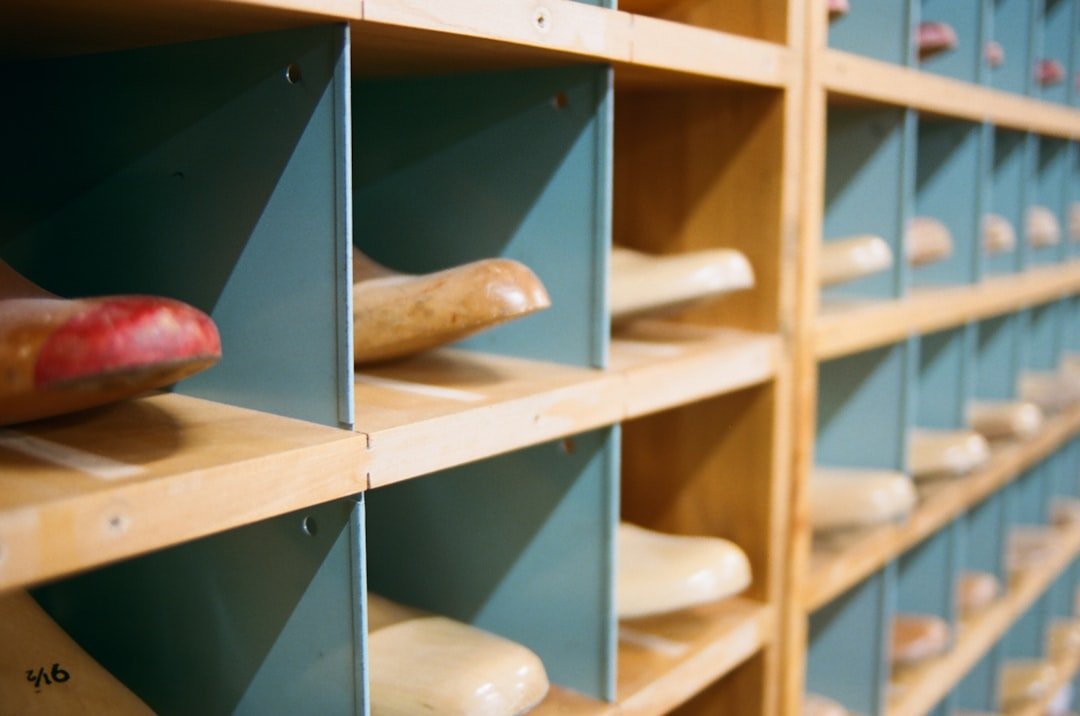
If you or your child has been dancing for several years, chances are the shoe collection has grown into something impressive — and impressively hard to manage. A cubby-style shelving unit gives each pair its own dedicated home and makes it easy to scan your entire collection at a glance.
The KALLAX shelf unit from IKEA is one of the most popular choices in the dance community for exactly this purpose. Each square cubby comfortably holds one or two pairs of dance shoes. You can mix open cubbies for everyday shoes with fabric drawer inserts for storing accessories or less-used pairs.
Customize your cubby system by:
- Adding small chalkboard labels below each cubby for easy identification
- Placing a decorative basket or bin in one cubby for orphaned ribbons, elastics, and shoe repair supplies
- Positioning the unit near your home practice space or studio entrance so shoes are always in the right place
Protect Delicate Shoes with Individual Pouches or Bags
Pointe shoes, satin ballroom heels, and rhinestone-adorned competition shoes deserve extra protection. Storing them loose alongside other gear risks scuffs, snags, and crushed embellishments that are devastating right before a performance.
Individual drawstring shoe bags made from soft cotton or microfiber fabric are ideal for these delicate pairs. Brands like Danshuz and Bloch sell branded dance shoe bags, but you can also find affordable multi-packs on Amazon by searching for “satin drawstring shoe pouches.”
For pointe shoes specifically, always stuff the box (the hard toe area) with tissue paper or a small foam insert before storing to help them hold their shape. Never store pointe shoes in an airtight plastic bag — they need airflow to dry properly between uses or the glue inside the shoe can soften and break down faster.
Create a Smart Rotation and Labeling System
Organization isn’t just about where you put things — it’s about building habits that keep things organized long-term. A simple labeling and rotation system can make a big difference, especially in households with multiple dancers.
Easy Labeling Ideas:
- Use a label maker on bins, boxes, or cubby edges with the dancer’s name and shoe type
- Color-code storage for different family members using colored sticker dots or colored tape
- Write the purchase date on the bottom of each box so you know when it’s time to start shopping for replacements
Rotation Tips:
- After every class, do a 30-second reset — shoes back in their designated spot before they migrate elsewhere
- Keep a small repair kit (extra elastic, needle and thread, shoe glue) in your storage area so minor fixes happen immediately instead of being forgotten
- Every few months, evaluate which shoes are worn out and which you haven’t touched — donate or recycle shoes that no longer serve you to keep the collection manageable
Final Thoughts: Stay Organized, Dance Better
The best dance shoe storage and organization ideas are the ones you’ll actually stick with. Start simple — even just committing to clear boxes or a single dedicated shelf makes an enormous difference compared to the shoe pile approach. As your collection grows, layer in additional solutions like pouches for delicate shoes, ventilated dance bags for on-the-go organization, and a cubby system for your home studio space.
Your dance shoes work hard for you every class, rehearsal, and performance. A little organization goes a long way toward protecting them and keeping your dance practice running smoothly.
Ready to get started? Pick just one idea from this list and implement it this week. Share your setup in the comments below — we’d love to see how fellow dancers are keeping their collections organized! And if you found this helpful, share it with a dance friend who could use a little more order in their shoe life.